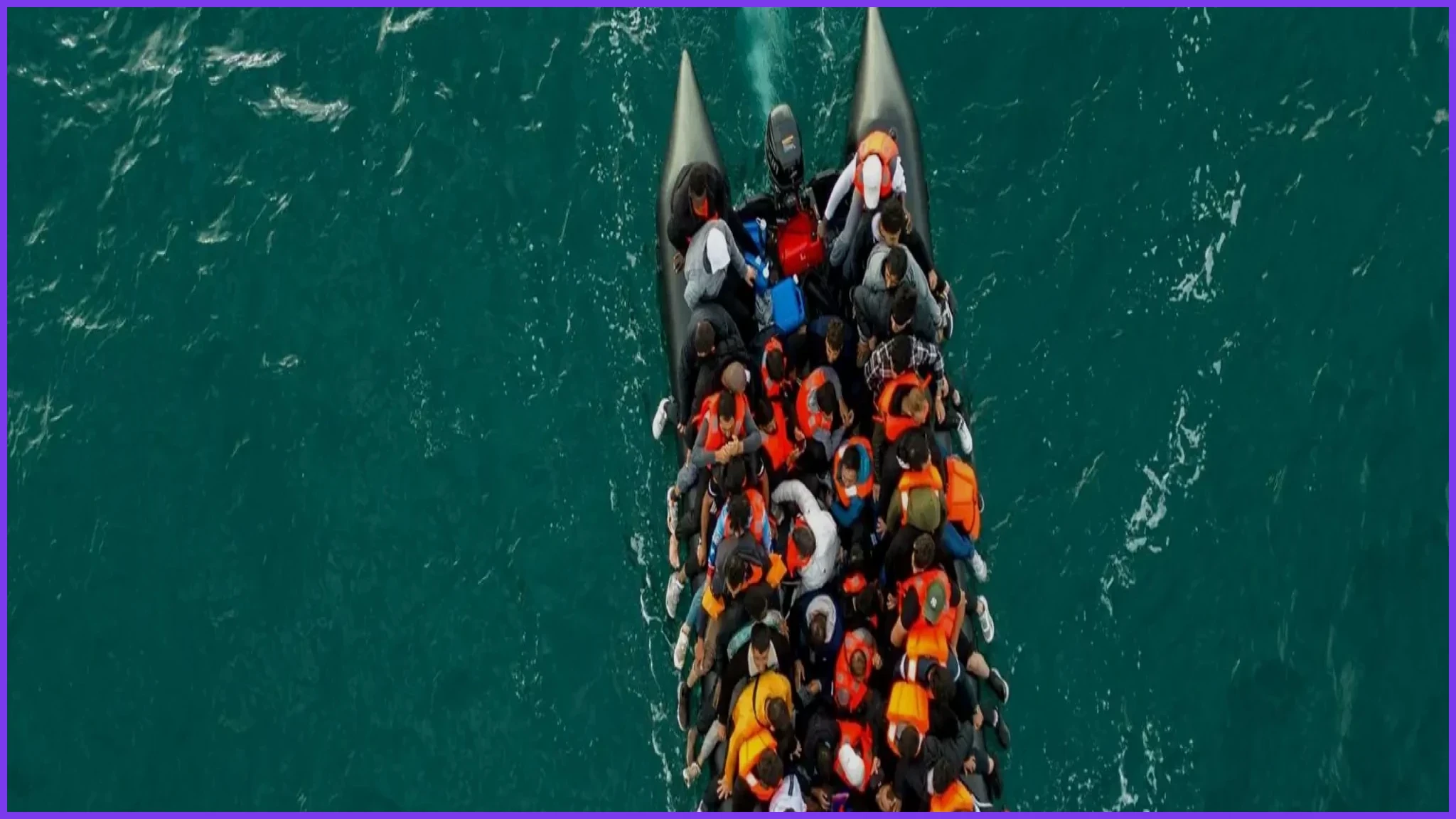
Five European Union member states—Germany, Denmark, Austria, Greece, and the Netherlands—are preparing to establish a joint migrant deportation center in Rwanda, scheduled to become operational in 2027. Official statements released by the Danish and Dutch governments outlined that the facility, designated as a "return hub," will receive foreign nationals residing illegally in their countries who are subject to deportation orders.
The Dutch government specified that the external facility will provide an alternative mechanism when deportees cannot be returned directly to their countries of origin. Under the framework, individuals transferred to Rwanda will have the choice to either integrate into local Rwandan society or return to their home countries. Diplomatic sources cited prior to the announcement indicated that the initiative will launch as a pilot project accommodating approximately 100 individuals, with each of the five participating governments potentially transferring around 20 migrants.
Speaking at a joint press conference in Vienna on Monday, Austrian Chancellor Christian Stocker stated that the multi-nation effort aims to relieve strain on European asylum systems while stopping human traffickers from organizing deadly crossings across the Mediterranean. Rwandan Interior Minister Vincent Biruta affirmed his country's commitment to providing a "safe, legal and dignified solution for migrants" alongside European partners. Biruta added that the arrangement would also work toward correcting global economic imbalances, which he described as a primary driver of irregular migration. Migrants who choose to remain in Rwanda will gain residency rights, as well as access to healthcare, education, the labor market, and the legal system.
The United Nations' International Organization for Migration (IOM) noted that it could fulfill a supporting role in the project. An IOM spokesperson confirmed that the agency is in discussions with several EU nations regarding return hubs, building on its extensive background of assisting migrants in complex transit situations. Meanwhile, Downing Street stated that the United Kingdom has not ruled out joining the program and will watch its progress "with interest." In contrast, Spanish Prime Minister Pedro Sánchez expressed strong opposition, telling broadcaster Telecinco that sending migrants to Rwanda has no "future or humanity" and is not a valid solution.
Although the five governments insist the plan aligns with European Union and international law, human rights organizations have raised severe concerns. Clementine de Montjoye, a senior Africa researcher at Human Rights Watch, criticized the selection of Rwanda, pointing to the country's documented record of arbitrary detention, mistreatment in custody, suppression of dissent, and support for armed rebels in the neighboring Democratic Republic of Congo. De Montjoye warned that paying Kigali to host deportees would inflict suffering while providing financial support and political leverage to a government responsible for grave rights abuses.
Guidelines issued by the independent EU Agency for Fundamental Rights stress that any non-EU host nation must respect fundamental rights, ensuring individuals are not sent to places where they face a serious risk of persecution. The agency also emphasized that unaccompanied minors must not be sent to such return hubs, a restriction that the Dutch government confirmed will be observed under the new arrangement.
The plan comes as governments across Europe face intense political pressure ahead of upcoming elections, driven by economic difficulties, security concerns, and public dissatisfaction with governing parties. Recent data from the European Border and Coast Guard Agency (Frontex) indicates that irregular border crossings into the EU reached nearly 110,000 during the first 10 months of 2026, marking a 29% decrease from the previous year. In October 2026 alone, approximately 18,100 irregular crossings were detected—a 6% drop compared to October 2025, but a 22% increase over September 2026, driven largely by a surge in arrivals along the Western African route to the Canary Islands.
Related Articles

Md. Kazi Bijoy is a dedicated tech enthusiast and content creator with a passion for digital innovation. With years of experience in the tech industry, he specializes in breaking down complex topics into easy-to-understand guides. When he isn’t writing, he explores the latest gadgets and researches emerging trends in the digital world.