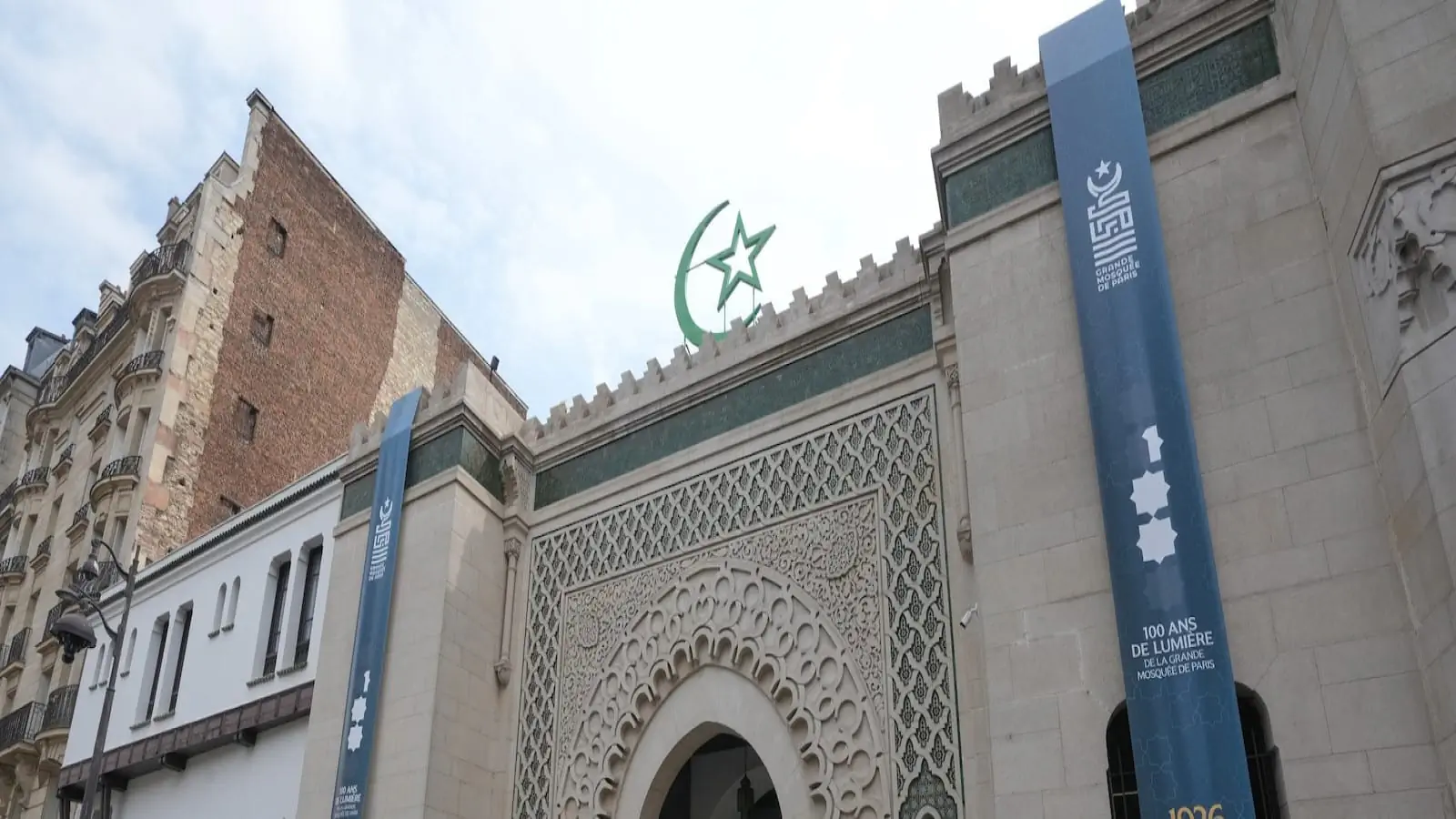
The Grand Mosque of Paris is marking its 100th anniversary, a milestone that serves as both a historical tribute and a moment for reflection on the experience of Muslims in contemporary France. Built a century ago in the capital’s bustling Latin Quarter, the mosque was established to honor the Muslim soldiers from French colonies who fought and died in the trenches of World War I, particularly in the battlefields of Verdun and beyond. Most of these soldiers originated from Africa.
Chems-eddine Hafiz, the rector of the Grand Mosque, emphasizes that the institution remains a vital symbol of France’s diversity and a center for interfaith dialogue. He noted that when the mosque was constructed, French President Gaston Doumergue declared that the nation’s diversity would serve to strengthen its community, a sentiment Hafiz calls a “beautiful message.” Hafiz maintains that while this political message has remained consistent since 1926, the societal atmosphere has shifted.
He expressed concern regarding religious tensions linked to conflicts in the Middle East and the polarizing rhetoric surrounding the upcoming presidential election.
“It’s the responsibility of everyone to see Muslims as a part of the national community,” Hafiz stated. He added that despite the historical significance of the site, anti-Muslim sentiment persists, and Islam is frequently misunderstood, often leading to hostility.
Islam is currently the second-largest religion in France, which hosts the largest Muslim population in Western Europe, yet many Muslims face discrimination and struggle for full acceptance, a situation exacerbated by extremist attacks over the last decade.
For the worshippers who gathered for Friday’s anniversary prayers, the mosque represents a sanctuary and a historical landmark. The congregation included individuals from various backgrounds, including those born in France and others who emigrated over the decades from nations such as Algeria and Senegal. Many attendees trace their family roots back to France’s former colonial empire.
While the mosque is a place of history and worship, it also faces the challenges of modern French life. Fatma Chouchane, a volunteer at the mosque, lamented the restrictions on women wearing Muslim headscarves in French schools and some workplaces. She urged for greater tolerance, stating, “I ask France to leave these people alone” and allow them to exercise their religious choices.
Despite these societal pressures, many visitors view the mosque as a beacon of solidarity. Ibrahima Seye, who arrived in France from Senegal, described the mosque as one of the first places he visited upon arrival. “It’s always open,” he said. “It’s good for the Muslim community, and I see that it’s a mosque that is appreciated by a lot of tourists, too.”

Md. Kazi Bijoy is a dedicated tech enthusiast and content creator with a passion for digital innovation. With years of experience in the tech industry, he specializes in breaking down complex topics into easy-to-understand guides. When he isn’t writing, he explores the latest gadgets and researches emerging trends in the digital world.