Taiwan's ongoing efforts to deter potential aggression from China remain heavily focused on acquiring advanced conventional military hardware, but experts warn that this approach leaves a critical vulnerability in the nation's civil defense. While conventional deterrence remains a national priority under intensifying pressure from Beijing, relying solely on military strength overlooks the unconventional tactics most likely to define a cross-strait crisis.
The Chinese Communist Party frames the "reunification" of Taiwan as an essential component of its broader "national rejuvenation" goal, which is nominally targeted for completion by 2049. To counter this threat, Taiwan’s defense strategy has historically relied on U.S. arms sales, security assistance, and close cooperation on military technology.
These conventional deterrents are designed to make any military advance prohibitively expensive for China. For instance, F-16V fighters, Indigenous Defense Fighters, and Patriot missile systems are deployed to prevent China from gaining air superiority. Meanwhile, Hsiung Feng anti-ship missiles, sea mines, and Harpoon Coastal Defense Systems are intended to repel potential amphibious invasions, while ground forces and HIMARS batteries are positioned to blunt, endure, and counter an initial military strike.
However, military hardware alone cannot protect Taiwan from China's gray-zone tactics and unconventional threats. Beijing's strategy includes well-documented economic coercion, potential sabotage of Taiwan’s vulnerable submarine cable network, and a highly active cognitive warfare apparatus designed to manipulate Taiwanese public opinion and spread disinformation. Addressing these challenges requires a robust civil defense system that can maintain the continuity of daily life and foster societal resilience during a crisis.
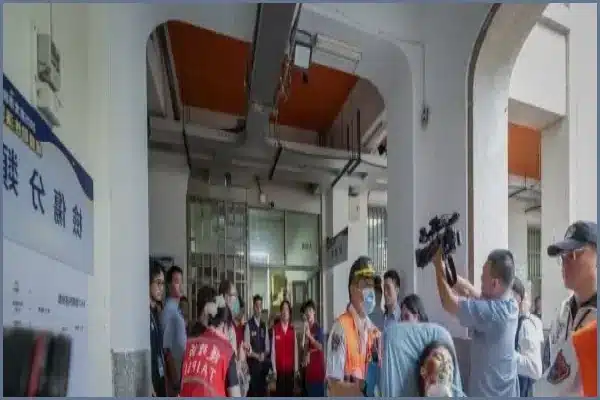
Taiwan has made some structural moves toward this goal, such as establishing the All-Out Defense Mobilization Agency, introducing the concept of "whole-of-society resilience" into official defense rhetoric, and directing civilian resources toward preparing for a military invasion. The importance of these measures was highlighted during Taipei’s Urban Resilience Exercise on July 17, 2025, which served as the civil defense component of the broader Han Kuang military exercise.
Despite these steps, Taiwan's civil defense capabilities remain insufficient. The country's preparedness initiatives are highly fragmented, coordination between civil and military entities remains uneven, and domestic political stagnation continues to stall progress.
Geopolitical analysts point to ongoing global conflicts to emphasize the necessity of resilient civil defense. Ukraine’s sustained resistance against Russia's invasion demonstrates that a prepared civilian population raises the ultimate cost of war for an aggressor and complicates any expectations of a swift, decisive victory. By studying the lessons of the Russia-Ukraine war and the civil defense models of South Korea, Taiwan could adapt these strategies to its own unique geography and threat profile. Doing so would raise the cost of coercion and deny Beijing the expectation of a quick, decisive conflict, whether kinetic or unconventional.
You have reached the limit of 2 free articles this month.
Related Articles

Mr. Udoy is a professional Web Developer and Blogger with 7+ years of experience in the tech world. He specializes in web architecture and digital storytelling. As the driving force behind worldincidents.com, he focuses on delivering high-quality, well-researched content to a global audience.
2 thoughts on “Taiwan’s Military Deterrence Undermined by Weak Civil Defense”