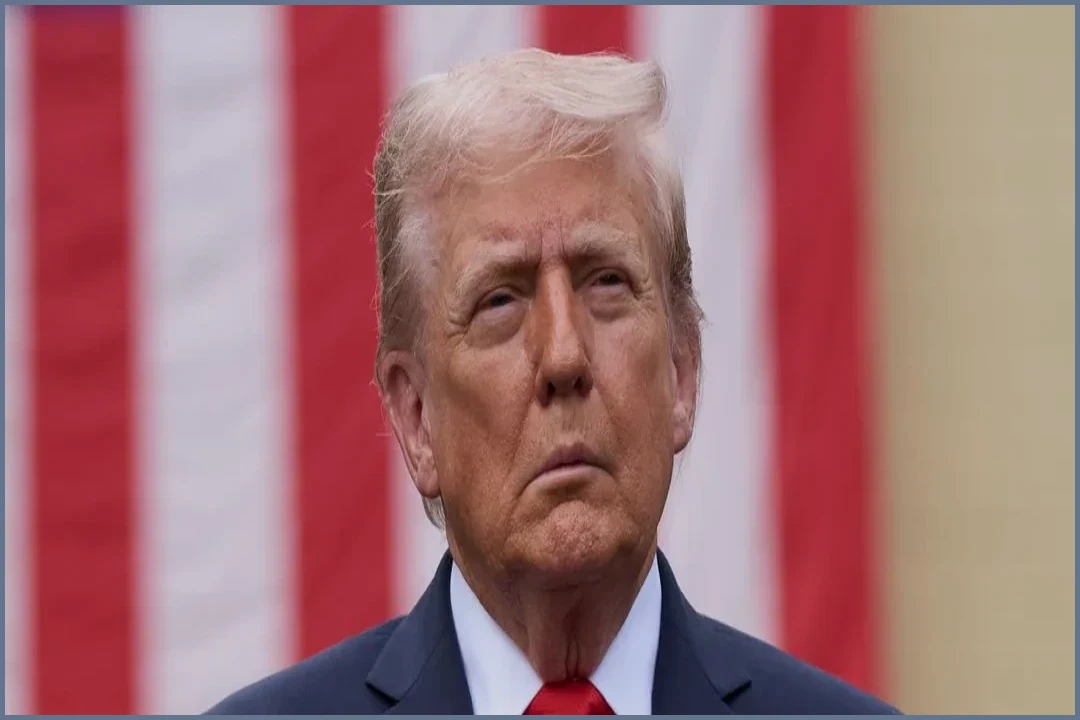
US President Donald Trump has announced that American forces are conducting "large and powerful" military strikes against Iranian targets near the Strait of Hormuz. Trump warned Tehran of catastrophic consequences should it choose to launch further retaliatory actions, stating that a much larger assault is already prepared.
According to Trump, the military action was initiated in response to a failed attempt by Iran to deploy sea mines in the strategic strait, as well as a recent missile barrage directed at an American base in Jordan. Trump noted that all eight incoming missiles in that attack were successfully intercepted by US defenses.
Writing on his Truth Social platform, Trump issued a stern warning to the Iranian leadership. "If the failed Nation of Iran retaliates for this very justified attack, they will be hit again at a much harder and higher level," he wrote, adding that a larger operation "waiting in the wings" would leave "very little" of the country. Speaking later to Fox News, Trump dismissed the prospect of diplomatic talks, expressing preference for the current US posture. "I like our position now much better, with almost total control of the Hormuz Strait, and their economy totally collapsing," he said.
The US military operation targeted approximately 100 positions, including Islamic Revolutionary Guard Corps (IRGC) air defenses, radar systems, mine-laying assets, and anti-ship missile sites. US Central Command (CENTCOM) confirmed that the strikes specifically targeted IRGC units that pose a direct threat to commercial shipping in the region.
Among the targets were two Iranian government tankers anchored off the coast of Iran. US officials told Axios that American drones fired missiles directly into the engine rooms of both vessels. This action marks the first time the US has targeted Iranian tankers in direct retaliation, aligning with a newly established "tanker for tanker" policy. Trump explained to Fox News that US forces also struck radar installations that Iran was attempting to restore. "They tried to rebuild their radar because they can't see anything… We waited until it was almost built and then we hit it," Trump stated.
According to reports, the strikes are part of a broader American strategy designed to prevent Tehran from rebuilding capabilities used to disrupt international maritime shipping. A US official cited by Axios noted that the operation has successfully "bought at least a month" of reduced threat levels in the region.
Iran responded to the US operation by launching approximately 25 ballistic missiles and executing drone strikes against American bases across Jordan, Bahrain, Kuwait, and Erbil in Iraq. Tehran directed two dozen drones specifically at US positions in Bahrain, alongside separate missile and drone attacks targeting bases in Kuwait and Erbil. US military forces intercepted the vast majority of the incoming projectiles.
Related Articles

Mr. Udoy is a professional Web Developer and Blogger with 7+ years of experience in the tech world. He specializes in web architecture and digital storytelling. As the driving force behind worldincidents.com, he focuses on delivering high-quality, well-researched content to a global audience.