Voters across Alberta have overwhelmingly chosen to stay in Canada, turning back a referendum measure that would have initiated a formal pathway toward provincial separation. Unofficial tally figures released by Elections Alberta showed that 75 percent of voters opposed starting the separation process, while 25 percent supported it, based on more than 1.9 million votes counted across 90 percent of voting locations. While the measure was not a direct referendum on immediate independence, a passing vote would have set the oil-rich western province on course toward a subsequent vote on breaking away from the federation.
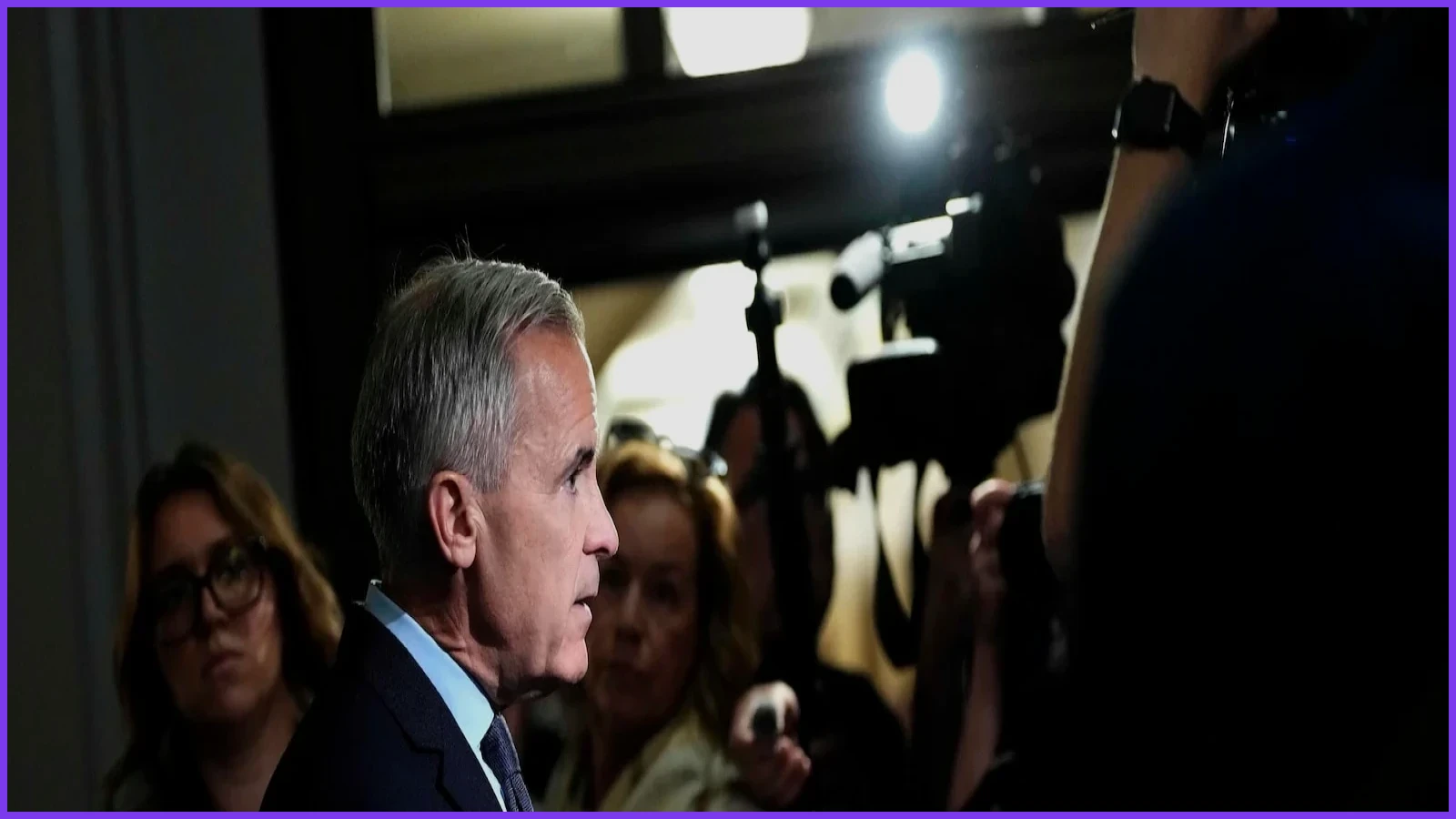
The decisive outcome provides a major lift for Canadian Prime Minister Mark Carney and his administration's focus on national unity, coming at a time when trade friction and annexation threats from U.S. President Donald Trump have galvanized public sentiment across Canada. Speaking to reporters in Ottawa ahead of a Cabinet meeting on Tuesday, Carney praised the referendum results as a resounding statement for Canadian cohesion. Carney stated that it was a great result for Canada that Albertans chose unity, adding that the one-quarter of electors who backed the initiative were not necessarily seeking full independence, but rather represented a smaller core of dedicated separatists alongside voters aiming to signal frustration toward the federal government.
Addressing the province in a televised speech on Tuesday evening, Alberta Premier Danielle Smith welcomed the voting outcome and pledged that her government would not initiate another referendum on separation during her tenure in office. Smith said that Albertans voted overwhelmingly in favor of remaining a province of Canada and described the historic voter turnout as a powerful testimony of the passion Albertans feel for their country and province. She emphasized that while Alberta will continue to assertively push Ottawa for increased provincial autonomy, disputes will be settled within Canada's political and legal institutions rather than through separation.
Carney confirmed that he spoke directly with Premier Smith on Tuesday morning to review the election results and discuss broader federal-provincial collaboration, including immigration policy. Meanwhile, opponents of the movement celebrated the clear mandate for unity. Thomas Lukaszuk, a former Alberta deputy premier who led the Forever Canadian campaign against separation, addressed supporters with a message directed at external pressures, stating, "Don’t mess with Canada. President Trump is watching this."
The economic and political background of Alberta plays a central role in its relationship with Ottawa. As home to the world's fourth-largest proven oil reserves, the conservative stronghold features a political culture with deep ties to the American West. Although grievance against the federal government in Ottawa runs deep, it historically hasn't translated into widespread support for independence. According to former Alberta Premier Jason Kenney, separatist parties traditionally attracted only 1% or 2% of the vote. Kenney noted that anger over COVID-19 pandemic restrictions helped mobilize activists who later embraced the separatist movement.
Tensions have also been influenced by U.S. political rhetoric. President Trump's ongoing trade war and threats to make Canada the 51st American state have helped Carney rally support in Alberta, a region where Liberal prime ministers have historically been unpopular.
Despite the overwhelming rejection, prominent separatist organizers pledged to continue pressing for independence. David Parker, a key Alberta separatist organizer, acknowledged the scale of the defeat on social media, writing that independence feels far away and urging supporters not to pretend the outcome was not a loss. At an Edmonton restaurant where pro-separation advocates gathered on referendum night, the crowd fell quiet as results rolled in. Jeff Rath of the Alberta Prosperity Project maintained a resilient stance, saying, "We’re not going anywhere. We’ve dominated the conversation in the last year. We’ve been educating Albertans on the benefits of independence, and we’re going to continue moving forward." Rath, who had said before the vote that he would be thrilled with 30% support, also expressed a desire to see Smith ousted as leader of the ruling United Conservative Party and suggested the party could splinter into a new pro-independence party.
However, established political analysts discounted the separatist leaders' broader impact. Ian Brodie, a University of Calgary political scientist and former chief of staff to Conservative Prime Minister Stephen Harper, dismissed Rath and fellow organizer Mitch Sylvestre as "nobodies" who failed to gain traction even in a district that elected a separatist to Alberta’s legislature in 1982. Brodie noted that even on a very soft question regarding whether to hold a referendum on separation, the movement could not build real momentum.
Individual voters in Edmonton reflected the varied motivations behind the vote. Shawn Campbell said he voted to begin the separation process solely to send a message to Ottawa that Albertans are not happy, even though he does not want Alberta to leave Canada. Conversely, 59-year-old Dave Malka criticized spending money on a "referendum on a referendum" rather than healthcare, arguing that with Trump threatening Canada, fighting internally occurred at the absolute worst time when the country should be united. Ali Khowaja, an Edmonton resident who immigrated to Canada six years ago, welcomed the outcome and expressed relief that Alberta chose unity over a Brexit-style rupture, noting his past concerns as an immigrant.
Related Articles

Mr. Udoy is a professional Web Developer and Blogger with 7+ years of experience in the tech world. He specializes in web architecture and digital storytelling. As the driving force behind worldincidents.com, he focuses on delivering high-quality, well-researched content to a global audience.