
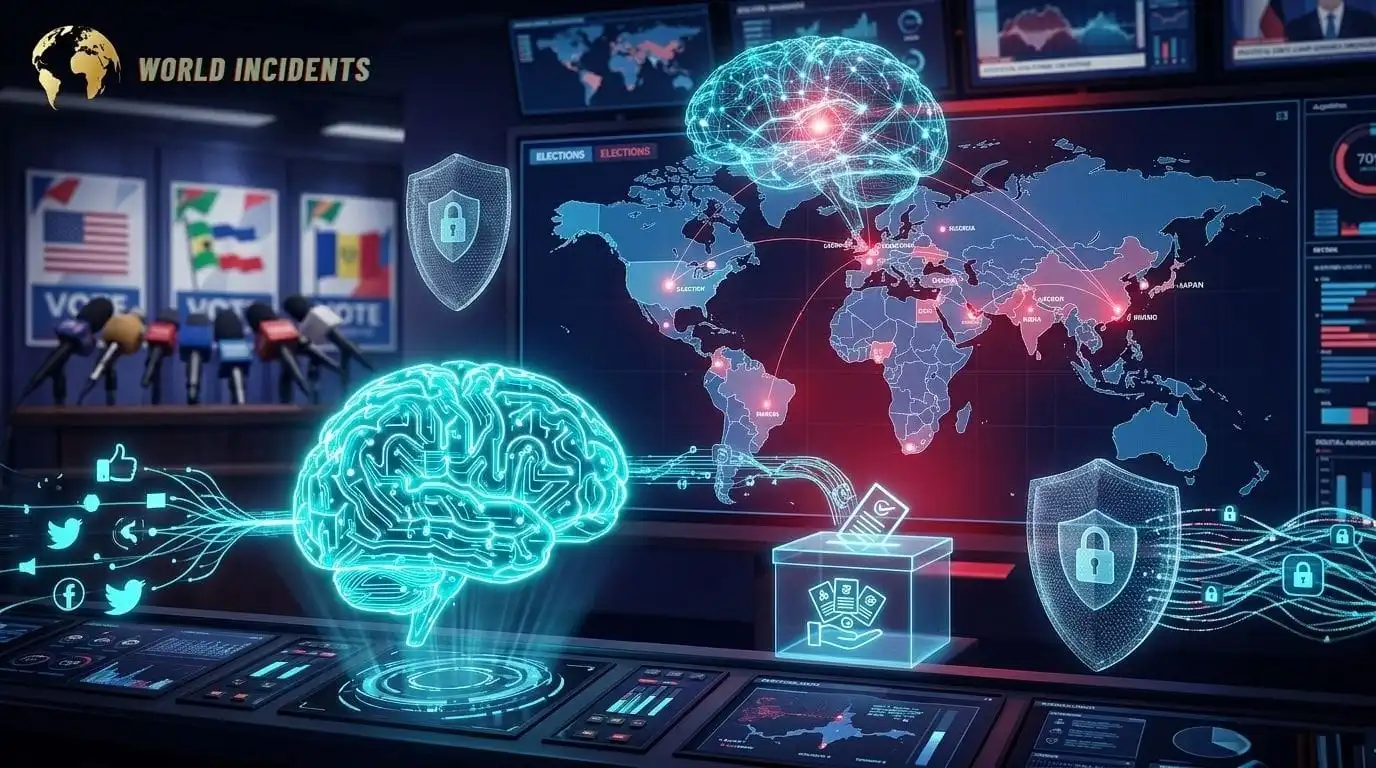
AI vs Democracy: The Secret War for 2026 Elections
Introduction
The rapid development of artificial intelligence is transforming almost every sector of society, from healthcare and finance to communication and entertainment. However, one of the most controversial debates emerging today is the growing conflict between technology and political systems. The conversation around AI vs Democracy has become increasingly important as countries prepare for major elections in 2026.
Artificial intelligence can enhance democratic processes by improving voter engagement and data analysis. At the same time, it also carries risks such as misinformation, manipulation, and digital propaganda. These concerns have led experts to describe the coming political landscape as a quiet technological battle.
As global elections approach, governments, tech companies, and citizens are questioning how artificial intelligence could influence democratic systems.
The Rise of AI in Political Campaigns
Political campaigns have always relied on data, messaging, and media strategies to reach voters. Artificial intelligence has now taken these tools to a new level.
Modern campaigns use machine learning algorithms to analyze voter behavior, predict political preferences, and personalize campaign messaging. In the context of AI vs Democracy, these tools can help political parties communicate more effectively with their supporters.
For example, AI can analyze social media discussions and identify the issues voters care about most. Campaign teams can then adjust their strategies based on these insights.
However, the same technology can also be used to manipulate public opinion if not properly regulated.
AI-Generated Content and Deepfakes
One of the biggest concerns in the AI vs Democracy debate is the rise of AI-generated content.
Deepfake technology can create realistic videos or audio recordings that appear authentic but are completely fabricated. In an election environment, such content could spread misinformation about political candidates or policies.
Imagine a fake video showing a political leader making controversial statements just days before an election. Even if the video is later proven false, the damage to public trust may already be done.
Experts warn that deepfake technology could become a powerful tool for election interference if proper safeguards are not implemented.
Social Media Algorithms and Political Influence
Social media platforms play a significant role in shaping public opinion. AI-driven recommendation systems decide which posts users see and which discussions gain visibility.
This is another major dimension of AI vs Democracy because algorithms can amplify certain political narratives while suppressing others.
While these systems are designed to increase engagement, they may unintentionally create echo chambers where users are exposed only to opinions that reinforce their beliefs.
Such environments can increase political polarization and reduce meaningful democratic dialogue.
AI and Election Security
Artificial intelligence also has the potential to strengthen democratic systems.
In the context of AI vs Democracy, security experts are using AI tools to detect suspicious online activity, identify coordinated misinformation campaigns, and protect election infrastructure.
Machine learning models can analyze millions of social media posts and detect patterns associated with bots or organized propaganda networks.
Governments and cybersecurity organizations are increasingly relying on these tools to maintain election integrity.
Global Concerns About Election Interference
The international community is paying close attention to how AI may influence the upcoming election cycle.
Several countries have expressed concern that foreign actors could use artificial intelligence to spread propaganda, manipulate information, or influence voters.
This makes the debate around AI vs Democracy not only a technological issue but also a geopolitical one.
International organizations are now working to establish guidelines that promote transparency and responsible AI use during elections.
Ethical Challenges of AI in Politics
The use of artificial intelligence in politics raises several ethical questions.
Who is responsible when AI systems spread misinformation?
How can voters distinguish between authentic content and AI-generated media?
Should governments regulate AI in political campaigns?
These questions highlight the complexity of the AI vs Democracy debate.
Balancing innovation with democratic integrity will require cooperation between policymakers, technology companies, and civil society.
How Democracies Are Responding
Governments worldwide are starting to introduce regulations aimed at controlling the misuse of artificial intelligence during elections.
Some countries are requiring political advertisements created using AI to include clear disclosure labels. Others are investing in digital literacy programs to help citizens identify misinformation.
These efforts aim to address the growing challenges of AI vs Democracy while still allowing technological innovation to continue.
Technology companies are also developing tools to detect deepfakes and label AI-generated content.
Read More: WHAT IS AN ECONOMIC SYSTEM
The Future of Elections in an AI Era
Looking ahead, artificial intelligence will likely become an integral part of political communication.
Campaigns will continue to use data-driven insights to reach voters more effectively. At the same time, governments and regulatory bodies must ensure that these technologies are not used to undermine democratic processes.
The ongoing debate about AI vs Democracy reflects a broader question about how societies should manage powerful emerging technologies.
If managed responsibly, AI could strengthen democratic participation by improving access to information and increasing voter engagement.
However, without proper safeguards, the same technology could threaten the very systems it has the potential to improve.
Conclusion
Artificial intelligence is reshaping the political landscape faster than many experts predicted. As countries approach the 2026 election cycle, the debate surrounding AI vs Democracy will only grow more intense.
The challenge is not simply about controlling technology but about ensuring that democratic values remain protected in a digital age.
By promoting transparency, investing in election security, and educating voters about AI-generated content, societies can reduce the risks associated with emerging technologies.
Ultimately, the future of democracy may depend on how effectively governments, technology companies, and citizens navigate this complex relationship between artificial intelligence and political power.
FAQ Section
How can artificial intelligence affect elections?
Artificial intelligence can influence elections through targeted advertising, automated messaging, and data analysis used by political campaigns.
Read More: How AI Is Changing Our Daily Lifestyle in 2026
What are deepfakes in politics?
Deepfakes are AI-generated videos or audio clips that imitate real people and may spread misleading political information.
Can AI also protect elections?
Yes, AI can detect suspicious online activity, identify misinformation networks, and strengthen cybersecurity systems used in election infrastructure.
Why are governments concerned about AI in politics?
Governments worry that artificial intelligence could be used to manipulate voters, spread misinformation, or interfere with democratic processes.
What steps can voters take to avoid misinformation?
Voters should verify sources, rely on credible news organizations, and be cautious about sensational political content shared online.

Meet Md. Rubel Rana
As a core contributor to Worlddincidents.com, Rubel Rana brings a unique perspective to the world of journalism. Whether it’s deep-diving into historical trivia or covering the latest global headlines, Rubel Rana is committed to delivering high-quality, high-impact articles. Their writing blends meticulous research with a compelling voice, helping readers stay informed and curious about the world around them.