
Wheat Crisis 2026: Global Food Trends & Survival Guide
Introduction
The Wheat Crisis 2026 is becoming one of the most discussed topics in global agriculture and food policy. Wheat is a staple food for billions of people across Asia, Europe, Africa, and the Americas. When supply chains weaken or production drops, the impact spreads quickly across global markets.
Experts warn that Wheat Crisis 2026 could reshape global food systems. Climate change, geopolitical conflicts, and economic pressures are already affecting wheat production and distribution worldwide. Governments, farmers, and consumers are beginning to search for resilient solutions.
Understanding the causes and future trends behind Wheat Crisis 2026 is essential for preparing for the coming decade of food challenges.
What Is the Wheat Crisis 2026?
The Wheat Crisis 2026 refers to a potential global shortage and price surge affecting wheat markets. Several factors are contributing to this situation.
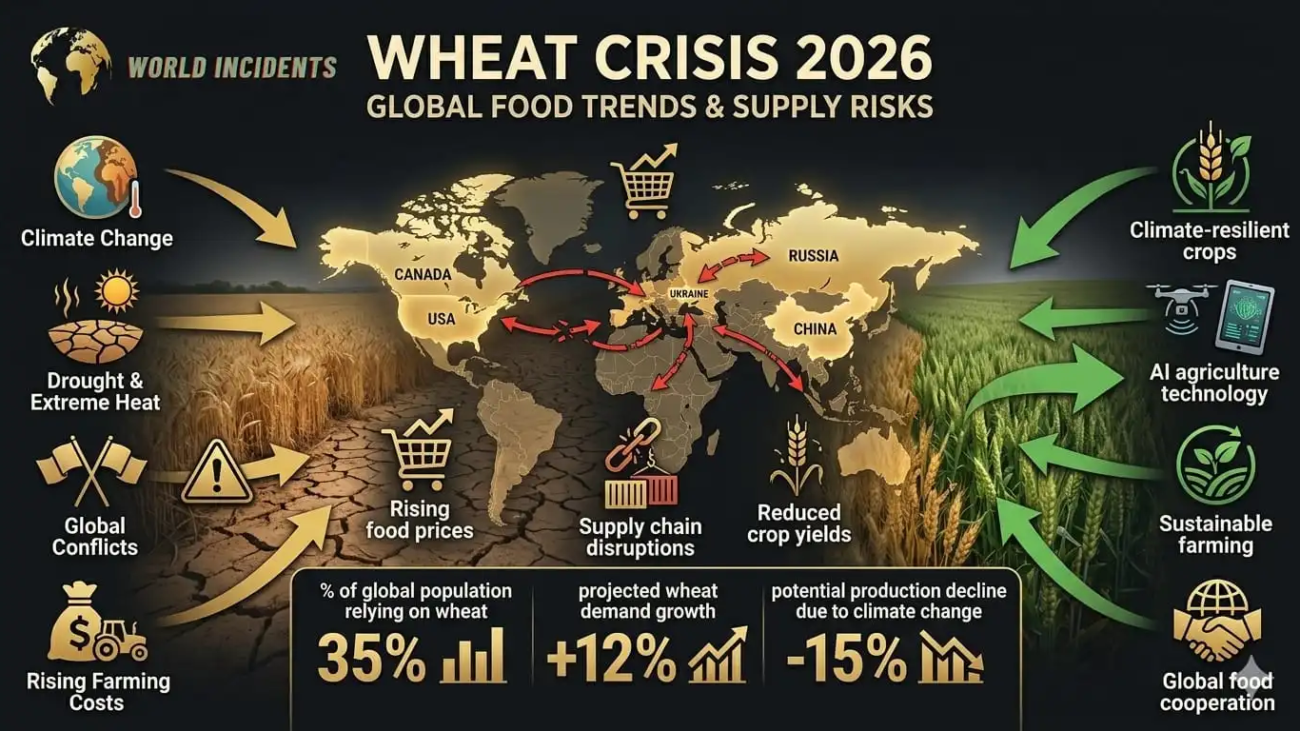
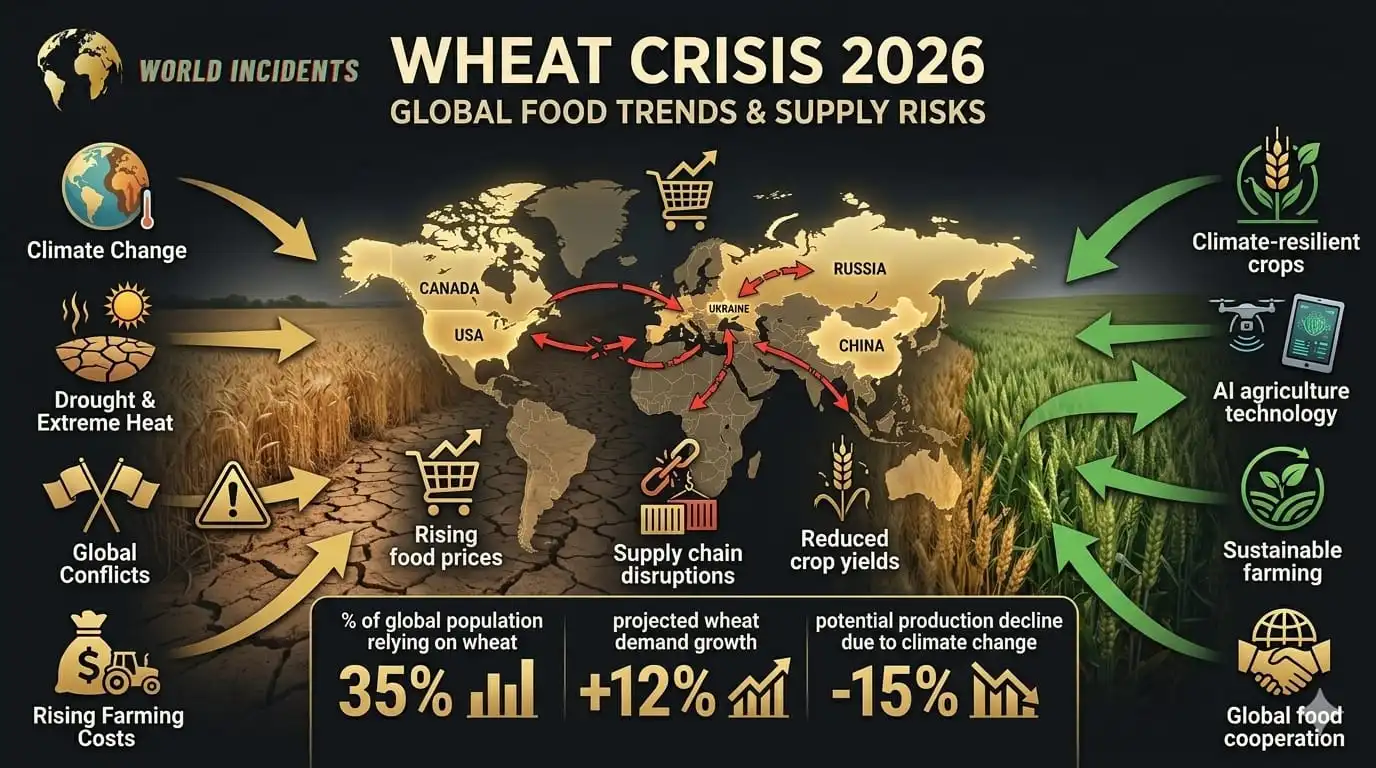
First, climate change has disrupted traditional farming cycles. Extreme heatwaves, droughts, and unpredictable rainfall patterns have significantly reduced wheat yields in major producing countries.
Second, geopolitical tensions have also played a major role. Conflicts and trade restrictions can limit exports, creating instability in global grain markets.
As a result, analysts predict that Wheat Crisis 2026 could lead to rising food prices, supply chain disruptions, and increased food insecurity in vulnerable regions.
Major Causes Behind the Wheat Crisis
1. Climate Change and Extreme Weather
Climate change is one of the strongest drivers behind the Wheat Crisis 2026. Wheat crops are highly sensitive to temperature changes and water availability.
Recent years have seen:
Severe droughts in wheat-producing regions
Heatwaves damaging crops during key growth stages
Unexpected floods affecting harvest seasons
These environmental disruptions reduce overall production and increase the likelihood of global shortages.
Read More: 2026 DEBT CRISIS: HOW TO SURVIVE THE FINANCIAL SQUEEZE
2. Geopolitical Conflicts
Global conflicts can severely impact food supply chains. Major wheat exporters sometimes face sanctions, trade restrictions, or logistical disruptions.
These geopolitical tensions can suddenly remove large quantities of wheat from global markets. When supply decreases but demand remains high, prices surge.
This dynamic is another key reason experts continue to monitor Wheat Crisis 2026 closely.
3. Rising Production Costs
Farmers around the world are facing rising costs for fertilizers, fuel, and agricultural equipment.
Higher production costs can reduce profit margins, forcing farmers to switch crops or decrease wheat cultivation. This trend contributes to long-term supply pressure that may worsen the Wheat Crisis 2026.
Global Food Trends Emerging From the Crisis
The Wheat Crisis 2026 is already influencing new global food trends. Governments and food companies are exploring alternative solutions to maintain food stability.
Diversification of Crops
Many countries are encouraging farmers to grow alternative grains such as:
sorghum
millet
barley
quinoa
These crops are often more resilient to extreme weather conditions.
Investment in Agricultural Technology
Technology is becoming essential to overcome the challenges associated with Wheat Crisis 2026.
Innovations include:
climate-resistant wheat varieties
precision irrigation systems
AI-driven crop monitoring
satellite agriculture analytics
These tools help farmers improve productivity despite difficult conditions.
Strengthening Global Food Security
Governments are also increasing food reserves and improving international cooperation.
Strategic grain reserves allow countries to stabilize markets during supply shocks. This approach can reduce the risk of severe shortages during the Wheat Crisis 2026.
Impact on Global Economy
Food shortages can have significant economic consequences.
If Wheat Crisis 2026 intensifies, several effects could occur:
rising bread and cereal prices
inflation in global food markets
increased pressure on developing economies
higher import costs for wheat-dependent countries
These economic impacts could influence political stability and social conditions in some regions.
How Consumers Can Adapt
While the Wheat Crisis 2026 mainly affects global markets, individuals can also prepare for potential changes in food systems.
Some practical strategies include:
diversifying diet with alternative grains
reducing food waste
supporting local agriculture
learning about sustainable food practices
These small changes can help households remain resilient during food supply fluctuations.
The Future of Global Food Systems
Despite the risks associated with Wheat Crisis 2026, the crisis also presents an opportunity for transformation.
The future of food systems will likely involve:
climate-resilient agriculture
diversified global diets
advanced agricultural technology
stronger international food cooperation
By investing in sustainable farming practices and resilient supply chains, the global community can reduce the long-term impact of food crises.
Conclusion
The Wheat Crisis 2026 highlights how interconnected global food systems have become. Climate change, geopolitical tensions, and economic pressures are reshaping agriculture faster than ever before.
However, with innovation, cooperation, and sustainable strategies, the world can adapt to these challenges. Understanding the trends behind Wheat Crisis 2026 is the first step toward building a more resilient global food future.
FAQ Section
What causes global wheat shortages?
Global wheat shortages are often caused by extreme weather, geopolitical conflicts, rising farming costs, and disruptions in international supply chains.
Which countries produce the most wheat?
Major wheat producers include China, India, Russia, the United States, and several European countries.
How does climate change affect wheat production?
Climate change leads to droughts, heatwaves, and irregular rainfall patterns that can reduce crop yields.
Are alternative grains becoming more popular?
Yes. Crops such as millet, sorghum, and quinoa are gaining popularity because they are more resilient to climate conditions.
Can technology help solve future food crises?
Agricultural technologies such as AI farming tools, satellite monitoring, and drought-resistant seeds can significantly improve food production.
Add a Comment