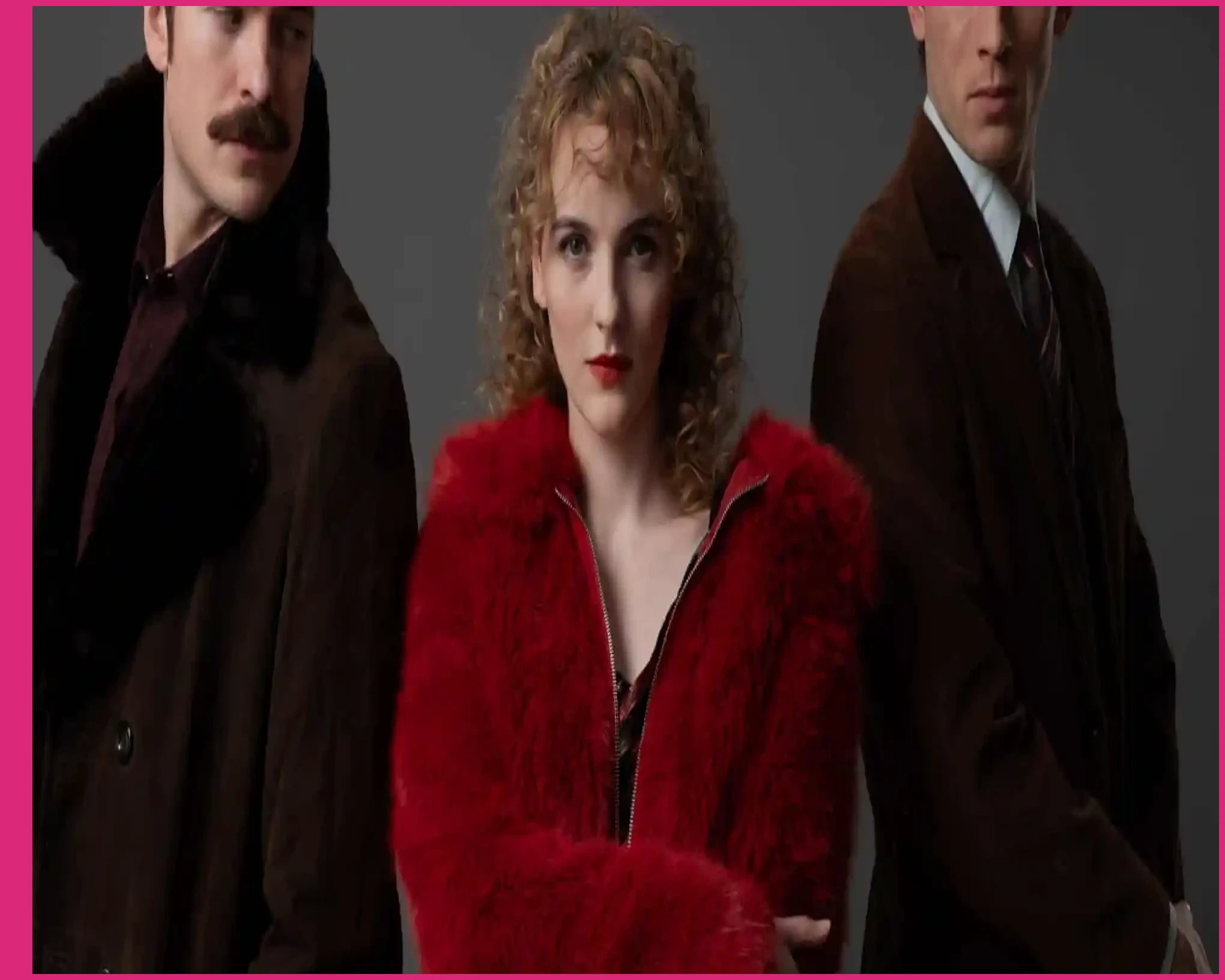
The allure of 1980s Cold War screen fiction lies in its distinctive blend of danger, absurd disguises, and period aesthetic—a domain of leather trench coats, moustaches, boxy automobiles, cassette players, and rigid patterned fabrics. Joining existing entries in the genre such as Deutschland 83, Kleo, Star City, The Same Sky, and the Soviet-era segments of The Americans, the new series Honey brings a stylish visual design and comic flourishes to East Berlin's espionage landscape.
Nominally established as a prequel to Killing Eve, the series follows young agent "Martha"—the early deep-cover persona of Carolyn Martens, the intelligence figure played by Fiona Shaw in the original drama. Portrayed here by Ann Skelly, Martha is introduced after senior operative Anderson smuggles her into East Berlin at the height of the city's intelligence clashes. The high-energy opening sequence establishes the show's comedic sensibilities through a car chase, a license plate swap, quick disguise changes, and comic antics involving a sheepdog costume.
By 1982, two years after her covert entry, Martha finds herself unfulfilled by low-level honey-trap assignments. Working under cover as a waitress in dive bars frequented by middle managers, her routine involves luring targets home to photograph them in their underpants for kompromat before moving on. Skelly delivers a confident lead performance as a protagonist who consistently resists patriarchal authority, even when doing so increases her personal risk.
The series excels in its visual atmosphere and irreverent details, featuring distressed brown and deep green interiors complemented by period European pop music. The hip title sequence is set to music by the Inner Space, precursors to the band Can. The narrative frequently subverts standard spy tropes, such as a debriefing scene between Martha and Anderson in a bugged room where they counter eavesdroppers by playing a tape of loud sex sounds rather than relying on running taps or background music.
As boredom sets in, Martha's reckless curiosity leads her into simultaneous, sexually charged alliances with two men: Kurt Fischer (Nate Mann), a smoothly arrogant CIA agent, and Friedrich Baumann (Jannis Niewöhner), a Stasi traitor-hunter. Baumann's character introduces a colder tone reminiscent of The Lives of Others as he obsessively monitors the lives of targets. The central plot revolves around Martha and Kurt attempting to investigate a mysterious death that Baumann is also tracking, all while concealing their double-crossing operations from him.
As the narrative progresses, the show gradually shifts into more conventional comedy-thriller mechanics. The initial edge softens as Martha's character is drawn into conventional romantic conflicts involving both male leads, moving away from her role as an unsparing exploiter of men. While it does not fully sustain its initial subversion of the spy genre, the series maintains entertainment value through eccentric supporting figures, visual humor, and period knitwear design.
Ultimately, the connection to Killing Eve functions as a minor backstory element that neither enhances nor hinders the narrative, given the thematic differences between the two shows. Honey shares stronger commonalities with the short-lived series Ponies, offering a slightly less sharp variation on similar Cold War themes while continuing screen fiction's ongoing interest in 1980s espionage narrative styles.
Related Articles

Mr. Udoy is a professional Web Developer and Blogger with 7+ years of experience in the tech world. He specializes in web architecture and digital storytelling. As the driving force behind worldincidents.com, he focuses on delivering high-quality, well-researched content to a global audience.