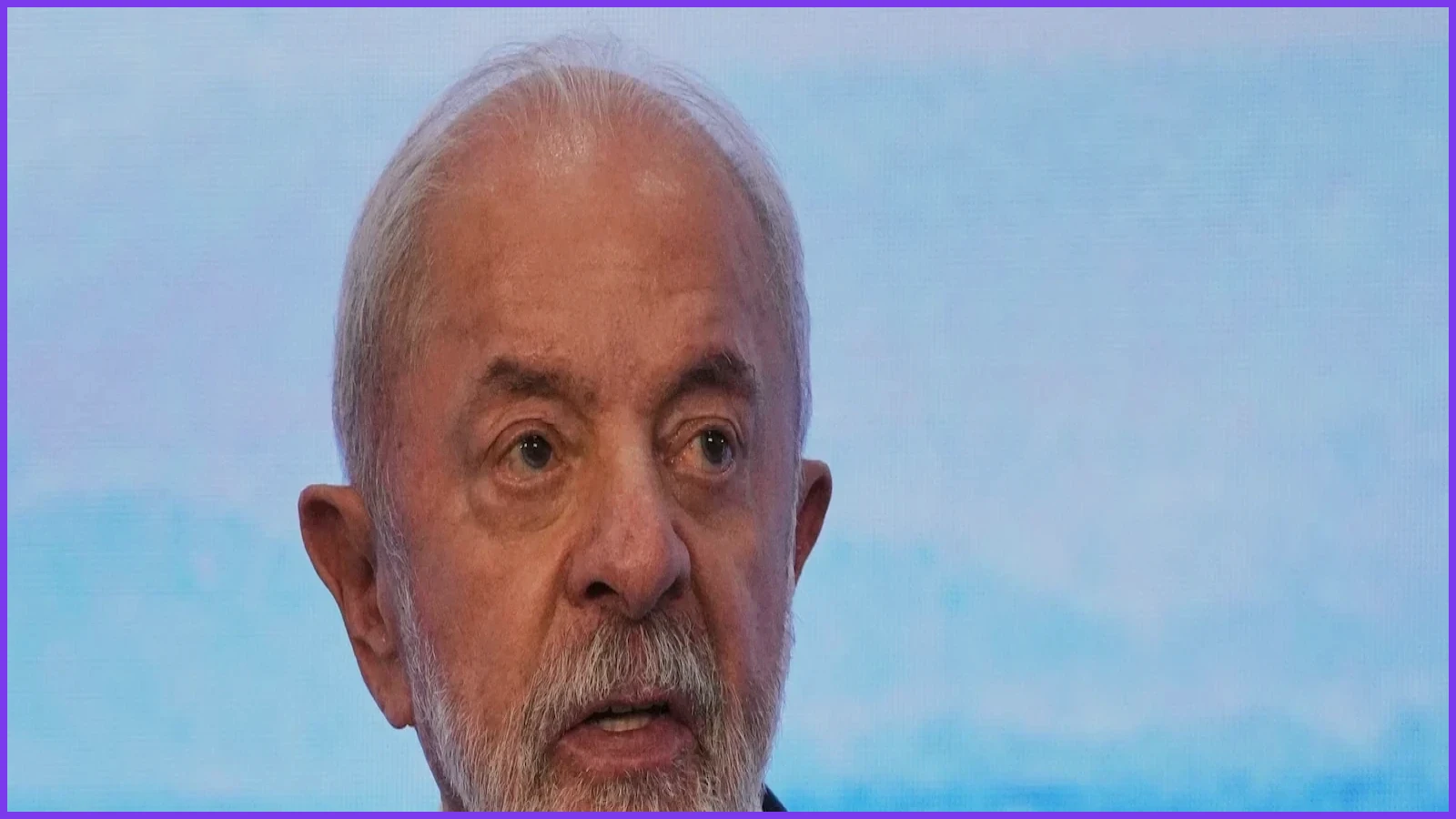
Brazilian financial markets experienced a sharp rebound on Friday following President Luiz Inácio Lula da Silva's confirmation that veteran banker Luiz Carlos Trabuco will head the country's finance ministry starting in 2027. The appointment of the Bradesco chief, announced late Thursday, has been interpreted by investors as a clear signal of Lula's commitment to fiscal discipline during his upcoming fourth presidential term, which begins on Jan. 5.
The announcement prompted an immediate market response, reversing recent losses. Brazil's currency, the real, strengthened significantly from 5.88 per dollar on Wednesday morning to 5.53 per dollar by Friday morning, while domestic stock prices recorded substantial gains between Thursday evening and Friday morning. Assets had previously plummeted in the wake of Lula's victory over Flávio Bolsonaro in last month's presidential election, as investors had largely anticipated a win by Bolsonaro, who had campaigned on promises to sharply cut government spending.
The currency had already initiated a gradual recovery earlier in the week after Brazil's lower house of Congress approved a government package designed to curb expenditure and bolster revenues. Although many market participants viewed the legislative proposal as overly timid, it was widely acknowledged as a constructive initial measure.
However, the administration's fiscal strategy has sparked internal pushback from within Lula's political base. Critics and supporters on the left accuse the government of bowing to financial market pressure, warning that proposed spending controls could compromise funding for vital public sectors including health, education, and social welfare, while potentially undermining key election promises. Demonstrators, including students and left-wing activists, staged protests against the fiscal package last week along São Paulo’s financial hub on Brigadeiro Faria Lima Avenue and at Rio de Janeiro’s historic Candelária Square.
Addressing an audience in Niterói, across the bay from Rio de Janeiro, Lula appeared to defend his fiscal approach on Friday. While expressing gratitude to students for their spontaneous street mobilizations after Bolsonaro led the first round of the election—a campaign effort credited with driving the turnout that secured Lula's second-round victory—the president emphasized the need for financial restraint. "We need to grow, and to grow, we cannot waste money. We will have to spend money wisely," Lula stated from the stage. During the event, a student in the crowd displayed a sign reading, "With Lula, against fiscal adjustment."
The debate over fiscal management comes after a series of costly economic initiatives launched by Lula's administration ahead of the runoff vote. These included a 15% boost to Bolsa Família, or Family Grant, the nation's flagship welfare scheme. According to official government data, the expansion of Bolsa Família carries an estimated cost of 5.8 billion reais ($1 billion) this year and approximately 22 billion reais ($3.7 billion) next year. Additional government policies have featured subsidized credit and debt-relief programs for small businesses and low-income citizens, alongside temporary federal cuts to fuel taxes. The administration has also proposed weekend free public transit, while Congress recently enacted legislation reducing the standard workweek without any reduction in worker pay.
Economic analysts suggest the recent market volatility reflects misjudgments about Lula's governing history. Monica de Bolle, a senior fellow at the Peterson Institute for International Economics, noted that both left-wing critics and market participants appeared to overlook the pragmatic approach Lula displayed during his earlier presidential terms from 2003 to 2010 and following his return to office in 2023. "Lula hasn't changed. He’s not very ideological when it comes to running the economy," de Bolle said, adding that "the rally is really a correction of the market's views and expectations."
Related Articles

Mr. Udoy is a professional Web Developer and Blogger with 7+ years of experience in the tech world. He specializes in web architecture and digital storytelling. As the driving force behind worldincidents.com, he focuses on delivering high-quality, well-researched content to a global audience.