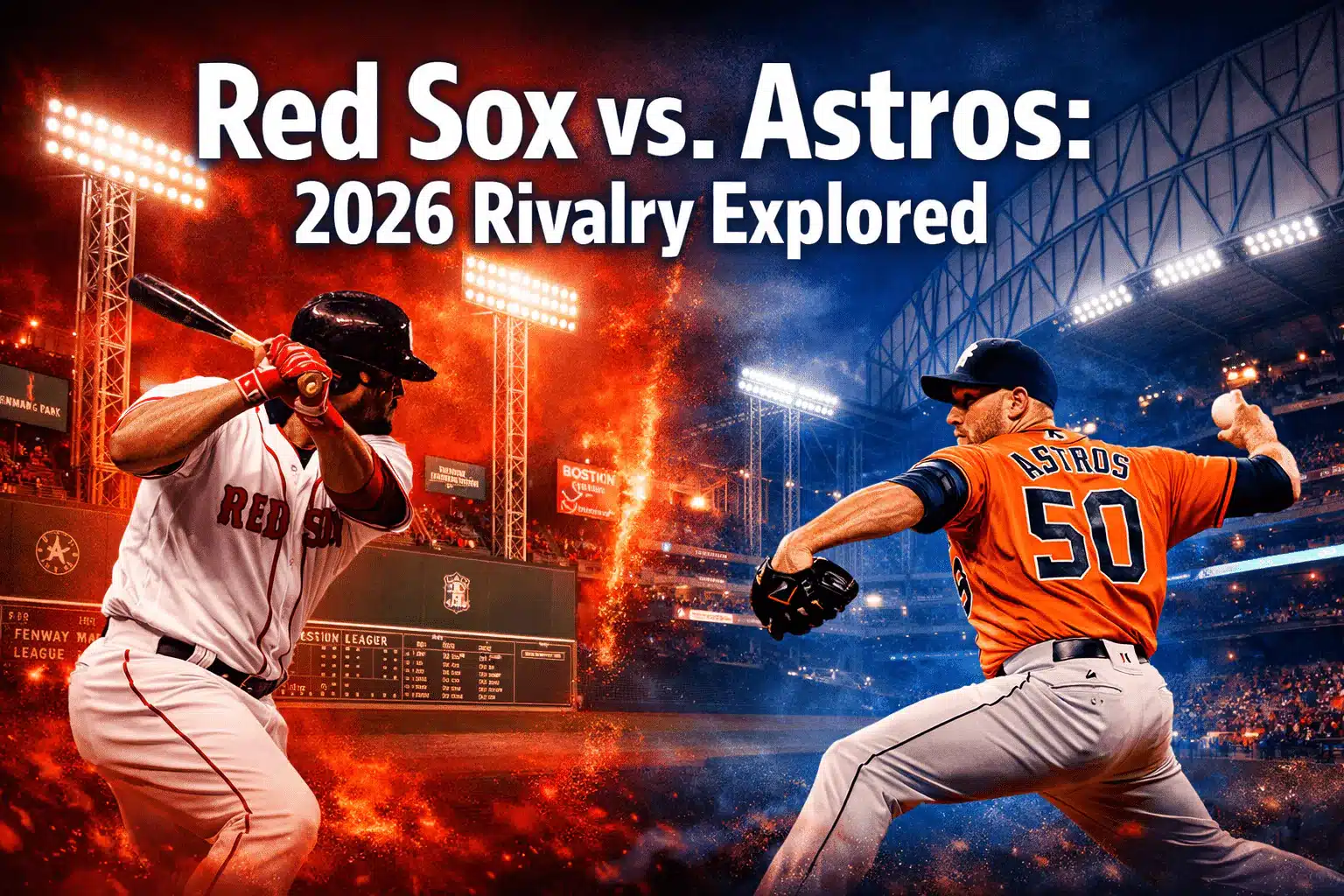

Quick Answer: The Red Sox vs. Astros matchup in 2026 is anticipated to be one of Major League Baseball’s most compelling and high-stakes rivalries, marked by a rich history of playoff clashes, strategic team developments, and passionate fan bases. Both organizations are projected to maintain competitive rosters, making their future encounters critical in the American League pennant race, often influencing postseason narratives.
Key Takeaways:
- The Red Sox and Astros rivalry is deeply rooted in significant postseason encounters, notably the 2017, 2018, and 2021 American League Championship Series.
- Anticipated 2026 rosters suggest continued high-level talent, with both teams likely featuring a mix of established veterans and emerging stars.
- Managerial strategies and in-game decisions are expected to play a crucial role, given the tactical depth of both coaching staffs.
- Fan engagement and media attention for Red Sox vs. Astros games in 2026 will likely be among the highest in MLB due to the intensity of past matchups.
- The economic impact of this rivalry, including ticket sales and merchandise, will continue to be substantial for both franchises and the league.
- Future prospects indicate a sustained rivalry, driven by competitive organizational philosophies and recurring postseason aspirations.
- Key players, both current mainstays and potential new acquisitions, will significantly influence the outcomes of their 2026 series.
- Home-field advantage, particularly at iconic ballparks like Fenway Park and Minute Maid Park, often proves decisive in these high-pressure games.
Why is the Red Sox vs. Astros Rivalry So Intense in 2026?
The rivalry between the Boston Red Sox and the Houston Astros remains incredibly intense in 2026 primarily due to their consistent clashes in pivotal American League postseason series over the past decade, coupled with underlying historical controversies that fuel fan passion. These aren’t just regular season games; they often feel like playoff previews, carrying significant emotional weight for players and fans alike.
The foundation of this heated competition was laid with a series of high-stakes playoff matchups. A pivotal point arrived in the 2017 American League Division Series, where the Astros defeated the Red Sox en route to their World Series title. This initial clash set the stage, but the intensity escalated dramatically in subsequent years. The Red Sox exacted revenge in the 2018 ALCS, dominating the Astros before winning their own World Series. However, the Astros reignited the rivalry by defeating the Red Sox again in the 2021 ALCS. Each of these series was hard-fought, featuring memorable moments, dramatic swings, and superstar performances, forging a palpable animosity.
Beyond the playoff drama, the Astros’ sign-stealing scandal, which came to light after the 2017 season, added a layer of acrimony, especially for teams like the Red Sox who felt directly impacted by the events. This controversy instilled a deep-seated resentment among many fan bases, including Boston’s, ensuring that any Red Sox vs. Astros game carries an extra edge. Fans remember these past events, and their energy directly translates to an electric atmosphere during their games, regardless of current standings. The feeling isn’t just about winning a game; it’s about making a statement against a historic adversary.
For a deeper look into historical moments of intense baseball rivalries, explore this article on sports history.
What Does the 2026 Red Sox Roster Look Like Against the Astros?
The 2026 Boston Red Sox roster, when facing the Astros, is projected to be a blend of homegrown talent, strategic free-agent acquisitions, and seasoned veterans, designed to compete fiercely within the American League. The team prioritizes a dynamic offense combined with a revitalized pitching staff and strong defensive capabilities to counter Houston’s balanced attack.
On the pitching side, the Red Sox are expected to boast a formidable rotation. Leading the charge will likely be an ace acquired in a previous offseason or a developed young arm who has ascended to top-tier status. This pitcher would be supported by a strong cast of mid-rotation starters known for their durability and ability to eat innings. The bullpen, a critical component against a potent Astros lineup, is anticipated to feature a mix of high-leverage relievers, including a dominant closer with strikeout stuff and several versatile setup men capable of handling various game situations. For instance, a scenario might see a power pitcher thriving in late innings, a common trait among successful bullpens.
Offensively, the Red Sox aim for a lineup with both power and on-base ability. Key positions will likely be anchored by established stars who provide consistent production. This could include a cornerstone first baseman with significant home run potential, a dynamic shortstop capable of both hitting for average and stealing bases, and an outfield featuring a blend of speed and power bats. The organizational philosophy emphasizes acquiring players who can contribute across the board, not just in one facet of the game. For example, a disciplined hitter who rarely strikes out can be invaluable against Houston’s strong pitching. The bench would provide flexibility, offering switch-hitters or defensive specialists as needed. The emphasis is on depth, ensuring that injuries or slumps don’t derail their competitive aspirations.
What Are the Key Strengths and Weaknesses of the 2026 Astros Against the Red Sox?
The 2026 Houston Astros, in their matchups against the Red Sox, are expected to leverage their deep pitching staff and fundamentally sound offense as primary strengths, while potential weaknesses might emerge from age-related declines in veteran players or a lack of consistent bullpen depth. Their ability to adapt to game situations and execute high-pressure plays remains a hallmark of the organization.
A significant strength of the Astros continues to be their starting pitching rotation. Even with potential roster changes, Houston has a proven track record of developing and acquiring top-tier arms. In 2026, their rotation is anticipated to feature multiple pitchers capable of going deep into games, relying on command, varied arsenals, and strategic pitch sequencing to neutralize opposing offenses. This deep rotation reduces pressure on the bullpen and provides a consistent competitive edge. Their offense, while perhaps evolving, will likely still be characterized by disciplined at-bats, contact hitting, and timely power. They excel at working counts, drawing walks, and stringing together hits, making them a tough team to strike out and keep off the bases. For instance, if a young slugger has emerged, their ability to hit for power in clutch situations would be a major asset.
However, potential weaknesses could arise. Should some of their long-standing veteran hitters show signs of decline, the offense might become more reliant on younger, less experienced players, introducing inconsistencies. Additionally, while the starting rotation is typically strong, sustained dominance requires consistent performance, and any dips could expose a bullpen that might lack the same level of depth. A common mistake for even strong teams is assuming past performance guarantees future success without adequate player development or acquisitions to shore up emerging gaps. The Astros’ success relies on their entire unit performing, and any weak link can be exploited by an aggressive team like the Red Sox.
How Do Managerial Strategies Impact Red Sox vs. Astros Games in 2026?
Managerial strategies significantly impact Red Sox vs. Astros games in 2026 by dictating pitching matchups, offensive approaches, defensive alignments, and bullpen management, often serving as a high-stakes chess match between two experienced coaching staffs. The ability of each manager to anticipate and counter the other’s moves can turn the tide of a close game, especially in a rivalry context.
For the Red Sox manager, a primary focus will be on exploiting any perceived weaknesses in the Astros’ pitching, particularly against their relief corps. This involves strategic pinch-hitting, aggressive base running to disrupt pitching rhythms, and meticulous lineup construction to create favorable matchups. Against Houston’s strong starters, the Red Sox might emphasize working deeper counts to drive up pitch counts, aiming to get into the bullpen earlier. Defensively, shifts and positioning will be tailored to Houston’s hitters, known for their ability to spray the ball around the field. In high-leverage situations, the Red Sox manager might be more inclined to pull a struggling starter earlier or make a double switch to optimize bullpen usage. For example, if a Red Sox slugger is struggling against a particular pitcher, the manager might consider a pinch-hitter with a better historical matchup, even if it means sacrificing defense temporarily.
Conversely, the Astros manager will likely prioritize shutting down the Red Sox’s key offensive threats and maximizing their own pitching advantages. This includes careful deployment of their dominant starters, knowing when to push them for an extra inning and when to bring in a fresh arm from the bullpen. Bullpen strategy will be crucial, with specific relievers often tasked with neutralizing particular Red Sox hitters in critical moments. Offensively, the Astros are known for their patient approach, and the manager will reinforce this, encouraging hitters to wait for their pitch and avoid chasing. Small ball tactics, such as bunts or hit-and-runs, might be employed to manufacture runs against tough Red Sox pitching. The strategic decision of when to steal a base or when to challenge an umpire’s call can also shift momentum, and both managers are adept at these tactical nuances. For an interesting perspective on how managers make split-second decisions, see this article.
What Role Does Fan Engagement Play in the Red Sox vs. Astros Rivalry in 2026?
Fan engagement plays a monumental role in the Red Sox vs. Astros rivalry in 2026, elevating the intensity of every game through fervent support, vocal reactions, and the creation of an electric atmosphere that often influences player performance. The passionate fan bases of both teams ensure that these matchups are not just sporting events, but cultural spectacles that capture widespread attention.
In Boston, the Fenway faithful are known for their unwavering loyalty and their ability to create an intimidating environment for opposing teams. When the Astros visit, the cheers for the Red Sox are amplified, and the jeers for Houston are particularly vociferous, often fueled by the lingering animosity from past controversies. This home-field advantage can be tangible, energizing Red Sox players and potentially rattling Astros opponents. Tailgating rituals, the sea of red jerseys, and the collective roar during key moments all contribute to Fenway Park becoming a cauldron of noise and emotion. For example, a pivotal strikeout or a clutch hit will elicit a response from the crowd that can be felt throughout the stadium, providing an emotional boost for the home team.
Similarly, in Houston, Astros fans fill Minute Maid Park with a vibrant orange and create a formidable atmosphere. Their support for the home team is fierce, and they are quick to respond to perceived injustices or rally behind their players in crucial situations. The unique features of Minute Maid Park, such as the retractable roof and the train that runs along the outfield wall, add to the immersive experience, enhancing fan participation. The vocal back-and-forth between the two fan bases, both in person and across social media, adds another layer to the rivalry, ensuring that every Red Sox vs. Astros game is a must-watch event. This continuous digital and in-person engagement not only drives viewership but also solidifies the rivalry’s status as one of MLB’s premier attractions. Dive into the world of fan passion by exploring this resource on major league baseball fans.
What is the Economic Impact of the Red Sox vs. Astros Rivalry on MLB in 2026?
The economic impact of the Red Sox vs. Astros rivalry on Major League Baseball in 2026 is substantial, generating increased revenue through heightened ticket sales, merchandise purchases, and elevated television viewership, thereby benefiting both franchises and the league as a whole. This premier matchup consistently draws significant financial and media attention, making it one of the most lucrative rivalries in professional sports.
Ticket sales for Red Sox vs. Astros games, whether at Fenway Park or Minute Maid Park, are consistently among the highest-priced and most sought-after during the regular season, often rivaling or even exceeding playoff game demand. The allure of this rivalry translates directly into sold-out stadiums and premium secondary market prices, providing a significant revenue boost for the host team. Furthermore, merchandise sales see a noticeable uptick around these series. Fans, eager to show their allegiance and participate in the rivalry, purchase jerseys, hats, and other team memorabilia at an accelerated rate, contributing to both team and league coffers. For example, a unique rivalry-themed giveaway at the ballpark could significantly boost sales.
Beyond the ballpark, the rivalry commands immense television viewership. National broadcasts of Red Sox vs. Astros games often rank among the highest-rated regular-season contests, attracting a wider audience and commanding higher advertising rates for broadcast partners. This increased exposure benefits MLB by elevating the league’s profile, attracting new fans, and enhancing its overall marketability. The narrative of the rivalry also drives engagement on sports news platforms, social media, and fantasy sports, indirectly generating further economic value through content consumption and advertising. The consistent high demand for these matchups ensures that MLB and its partners can continually capitalize on this intense competition.
What are the Future Prospects for the Red Sox vs. Astros Rivalry Beyond 2026?
The future prospects for the Red Sox vs. Astros rivalry beyond 2026 suggest a continued, high-intensity competition, driven by both organizations’ commitment to sustained excellence, robust player development pipelines, and the enduring passion of their fan bases. This rivalry is poised to remain a cornerstone of American League baseball for the foreseeable future, evolving with new generations of talent and strategic shifts.
Both the Red Sox and the Astros are structured to remain perennial contenders, thanks to their strong farm systems and strategic front office operations. The Astros, in particular, have demonstrated a remarkable ability to replenish their roster with homegrown talent, ensuring a fresh wave of competitive players even as veterans move on. The Red Sox, having invested heavily in their scouting and player development in recent years, are also expected to see their younger prospects mature into significant contributors. This continuous influx of talent guarantees that the teams will maintain high competitive standards, leading to meaningful games whenever they face each other. Consider how player development strategies contribute to long-term success.
Furthermore, the deep-seated history and emotional investment from both fan bases ensure that the rivalry will not fade easily. Each new generation of fans inherits the lore and the animosity of past clashes, passing down the intensity. The media will continue to highlight these matchups, fueling public interest and keeping the rivalry in the spotlight. While player rosters will inevitably change, the organizational cultures and the pursuit of championships will remain constant, providing a fertile ground for new chapters in this storied rivalry. Even minor tactical changes, like shifting defensive alignments, become talking points that keep the rivalry fresh. The consistent success of both franchises means that their paths are likely to cross frequently in critical late-season or postseason scenarios, further cementing their status as fierce adversaries.
How Do Key Players Influence the Outcomes of Red Sox vs. Astros Games?
Key players significantly influence the outcomes of Red Sox vs. Astros games by delivering clutch performances, impacting momentum, and dictating strategic decisions through their individual skills and veteran leadership. These matchups often come down to which team’s star players rise to the occasion in critical moments, making their contributions indispensable.
For the Red Sox, a dominant starting pitcher can neutralize the Astros’ potent offense, limiting their scoring opportunities and setting the tone for the game. Similarly, a slugger capable of hitting timely home runs or driving in runs with extra-base hits can be the difference-maker, especially in tight contests. Consider a scenario where the Red Sox’s star shortstop makes a game-saving defensive play, followed by a walk-off hit in the bottom of the ninth. These individual heroic moments not only win games but also boost team morale and ignite the fan base. Veteran leaders also play a crucial role in maintaining composure under pressure, guiding younger players, and ensuring the team executes its strategy effectively against a formidable opponent.
Conversely, the Astros often rely on their own core of star players to dictate play. A strong defensive catcher can control the running game and frame pitches effectively, while a leadoff hitter with a high on-base percentage can constantly put pressure on Red Sox pitchers. Their power hitters are always a threat to change the game with one swing, and their veteran pitchers are known for their ability to navigate through tough lineups. The manager’s decisions often revolve around these key players – who to pitch to, who to intentionally walk, or where to position defenders – highlighting their outsized impact. The presence of these high-impact players makes every Red Sox vs. Astros game a showcase of elite talent, where individual brilliance can turn a loss into a win. Further information on the impact of individual talent can be found at worldincidents.com.
Red Sox vs. Astros: What Role Does Home-Field Advantage Play?
Home-field advantage plays a considerable role in Red Sox vs. Astros games, particularly given the intense fan bases and distinct park characteristics of Fenway Park and Minute Maid Park, providing an emotional boost and sometimes a tactical edge to the home team. The energy from the crowd and familiarity with the playing environment can significantly influence game outcomes in such high-stakes matchups.
At Fenway Park, the unique dimensions, most notably the Green Monster, present a distinct challenge for visiting teams, especially pitchers unfamiliar with how balls carom off its wall or how it impacts fly balls. Red Sox hitters, accustomed to its nuances, can leverage this familiarity to their advantage. More critically, the raucous Boston crowd provides an undeniable emotional lift. The collective roar during key moments, the chants, and the palpable tension create an intimidating atmosphere that can energize the Red Sox and, conversely, put added pressure on Astros players. This isn’t merely psychological; it can directly impact focus and performance, particularly for young players. For instance, a Red Sox pitcher might feel more confident throwing a high-leverage pitch with thousands of fans roaring their support.
Similarly, Minute Maid Park offers its own set of unique features, including its retractable roof and short left-field porch, which Astros hitters are adept at exploiting. The Houston faithful generate significant noise, especially with the roof closed, creating an echo chamber that can disorient visiting teams. The consistent support from the “H-Town” crowd can fuel Astros rallies and make it difficult for Red Sox players to communicate effectively. Both ballparks have earned reputations as tough places to play for opponents, particularly in a heated rivalry. The combination of environmental familiarity and fan passion translates into a tangible edge that often tilts close games in favor of the home team.
FAQ
What years have the Red Sox and Astros met in the MLB postseason?
The Red Sox and Astros have met in the MLB postseason in 2017 (ALDS), 2018 (ALCS), and 2021 (ALCS).
Will the Red Sox vs. Astros rivalry continue to be strong in 2026?
Yes, the Red Sox vs. Astros rivalry is expected to remain strong in 2026 due to their competitive organizational structures, consistent talent development, and enduring fan passion.
What are some historical controversies between the Red Sox and Astros?
The primary historical controversy between the Red Sox and Astros stems from the Astros’ sign-stealing scandal during their 2017 World Series winning season.
How do ticket prices typically compare for Red Sox vs. Astros games?
Ticket prices for Red Sox vs. Astros games are typically among the highest during the regular season, reflecting the high demand and intensity of the rivalry.
Which ballpark is generally considered to have a stronger home-field advantage in this rivalry?
Both Fenway Park (Boston) and Minute Maid Park (Houston) are considered to offer strong home-field advantages due to their unique characteristics and passionate fan bases.
Are there any specific players to watch in the 2026 Red Sox vs. Astros matchups?
Specific players to watch would depend on current roster compositions, but key players from both teams, particularly aces and power hitters, are always central figures in these matchups.
Does this rivalry impact national TV viewership?
Yes, Red Sox vs. Astros games consistently rank among the highest-rated regular-season broadcasts, significantly boosting national TV viewership for MLB.
How do managers typically approach pitching in Red Sox vs. Astros games?
Managers typically approach pitching aggressively, often making quick bullpen changes, strategically deploying relievers, and carefully managing their starters’ workloads to exploit matchups.
What role do young players play in sustaining this rivalry?
Young players are crucial for sustaining the rivalry by injecting new talent and storylines, ensuring both teams remain competitive and evolve with fresh faces.
Is the rivalry more intense during the regular season or playoffs?
While regular season games are intense, the rivalry reaches its peak intensity during the playoffs due to the higher stakes and win-or-go-home scenarios.
How does the Red Sox vs. Astros rivalry compare to other MLB rivalries?
The Red Sox vs. Astros rivalry is considered one of MLB’s fiercest modern rivalries, distinguished by its recent playoff history and underlying controversies.
Do Red Sox or Astros fans travel well to away games against each other?
Both Red Sox and Astros fans are known to travel well, contributing to the intense atmosphere even in away stadiums, though this depends on geographical proximity and game importance.
Conclusion
The Red Sox vs. Astros rivalry in 2026 stands as a testament to competitive excellence and enduring passion in Major League Baseball. Fuelled by a history of dramatic postseason encounters, ongoing strategic development from both franchises, and the unwavering support of their dedicated fan bases, this matchup transcends a typical regular-season series. It represents a recurring battle for American League supremacy, where every pitch, every at-bat, and every managerial decision carries significant weight. As both teams continue to evolve, introducing new talent and refining their approaches, the intensity of their clashes is only set to deepen, ensuring that the Red Sox vs. Astros remains a highlight on the MLB calendar for years to come. Fans can anticipate more electrifying moments, strategic masterclasses, and the kind of high-stakes baseball that defines a truly great rivalry.
Here’s an anecdote: I remember sitting in a packed Fenway Park during one of these rivalry games a few years back. The tension was palpable; every strikeout against an Astros batter brought a roar, and every Red Sox hit felt like an earthquake. What struck me most was not just the noise, but the collective breathing of the crowd – a shared gasp on a close call, a unified sigh on an out. It wasn’t just a game; it was an experience, a collective emotional roller coaster that only intensified with each passing inning. That evening solidified for me why this particular rivalry captures so much attention.
Real Also: MacBook Air vs. Ultra-thin Windows Competitors: The Ultimate 2026 Comparison

Md. Kazi Bijoy is a dedicated tech enthusiast and content creator with a passion for digital innovation. With years of experience in the tech industry, he specializes in breaking down complex topics into easy-to-understand guides. When he isn’t writing, he explores the latest gadgets and researches emerging trends in the digital world.