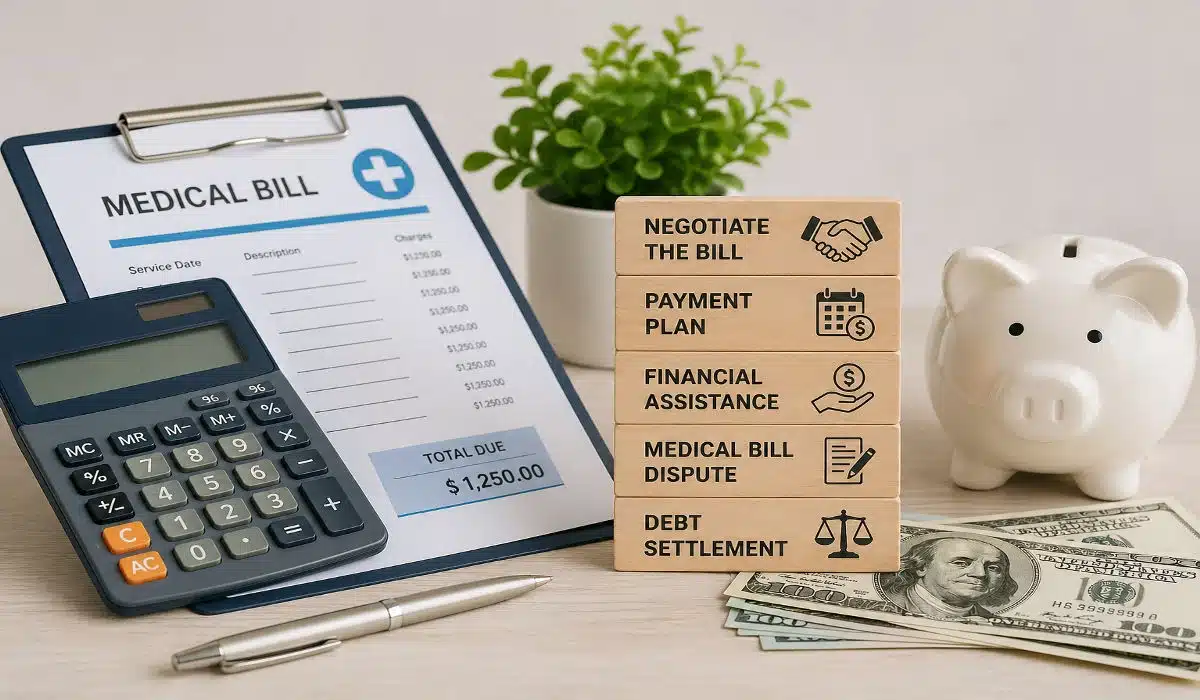
The fear of a medical bill should never prevent you from seeking care. In 2026, consumer protections have matured, offering various legal ways to settle medical bills in the US. Understanding these rights is the first step toward reclaiming your financial independence.
Utilizing the “No Surprises Act” Protections
Since its inception and through its 2026 updates, the No Surprises Act is one of the most powerful legal ways to settle medical bills in the US. It prohibits “balance billing” for emergency services and certain out-of-network providers at in-network facilities.
Your Right: If you receive a “surprise” bill from an out-of-network doctor during an emergency at an in-network hospital, you are legally only required to pay your in-network cost-sharing amount.
Applying for Charity Care
Most non-profit hospitals in the US are required by law to offer financial assistance programs, often called “Charity Care.” This is one of the most underused legal ways to settle medical bills in the US.
How it works: Depending on your income (often up to 400% of the Federal Poverty Level), you may qualify for a 50% to 100% discount on your bill. Hospitals must allow you to apply even if the bill has already been sent to collections.
Requesting an Itemized Bill to Find Errors
Audit statistics show that nearly 80% of medical bills contain errors. A key strategy among legal ways to settle medical bills in the US is to request a “line-by-line itemized bill.”
The Strategy: Look for duplicate charges, “upcoding” (being charged for a more expensive procedure than you received), or charges for services you never used. Challenging these errors can legally force the provider to adjust the balance.
Negotiating a “Lump Sum” Settlement
If you have some cash on hand, negotiating a lump sum payment is one of the fastest legal ways to settle medical bills in the US. Providers often prefer receiving a guaranteed 40-50% immediately rather than chasing a full payment for years.
The Magic Word: Ask for a “Settlement Amount.” Always ensure you get the agreement in writing before sending any money to ensure the debt is legally “settled in full.”
Invoking the Fair Debt Collection Practices Act
If your medical debt has moved to a third-party collector, the FDCPA provides the framework for legal ways to settle medical bills in the US.
Validation: You have the legal right to demand “Debt Validation.” The collector must prove the debt is yours and accurate. If they cannot provide proof, they are legally barred from collecting it.
Understanding the Statute of Limitations
In 2026, the statute of limitations remains a critical component of legal ways to settle medical bills in the US. This is the time limit during which a creditor can legally sue you for a debt.
State Variation: Depending on your state, this limit is usually between 3 and 10 years. Once this period passes, the debt is considered “time-barred,” and while they may still ask for payment, they cannot legally win a lawsuit to garnish your wages.
Read More: The Definitive Guide to Eco-Friendly Kitchen Swaps 2026
Setting up Zero-Interest Payment Plans
One of the most sustainable legal ways to settle medical bills in the US is through a formal payment arrangement directly with the provider. In 2026, many healthcare systems offer 12 to 24-month payment plans at 0% interest. This is a legally binding agreement that keeps the account out of collections and protects your credit score while you pay down the balance at a manageable pace.
Leveraging Medical Billing Advocates
If the bureaucracy feels overwhelming, hiring a professional advocate is one of the most effective legal ways to settle medical bills in the US. These experts are trained to spot “upcoding” and “unbundling” errors that an untrained eye might miss. Advocates typically charge a percentage of the money they save you, making this a low-risk strategy to legally lower high-value surgical or hospital bills.
Using the “Prompt Pay” Discount Strategy
Many hospitals have internal policies that offer a 10% to 20% discount if you pay the balance before a certain deadline. Inquiring about “Prompt Pay” options is among the quickest legal ways to settle medical bills in the US. Even if you cannot pay the full amount, asking for a prompt-pay discount on a partial payment can sometimes be negotiated into the final settlement.
Filing a Formal Appeal with Insurance
Sometimes the bill is high because your insurance company denied a claim. One of the primary legal ways to settle medical bills in the US is through the formal appeals process. You have the legal right to request an external review by an independent third party if your insurance company refuses to pay for a service. If the appeal is won, the provider is legally required to bill the insurance company instead of you.
Negotiating Based on “Fair Market Value”
Websites like Healthcare Bluebook or FAIR Health allow you to see what other providers in your area charge for the same procedure. Bringing this data to the billing department is one of the data-driven legal ways to settle medical bills in the US. If your provider charged $5,000 for a procedure that usually costs $2,000, you can legally argue that the charge is “unreasonable” and negotiate the bill down to the local average.
Seeking “Hardship Waivers”
A “Hardship Waiver” is a legal document where the provider agrees to waive part or all of the bill due to extreme financial circumstances, such as job loss or disability. This is distinct from charity care and is considered one of the final legal ways to settle medical bills in the US before considering bankruptcy. You will typically need to provide tax returns or bank statements to prove your financial status.
FAQ
Q1: Can medical debt affect my credit score in 2026?
Ans: Under recent regulations, medical debts under $500 are not reported to credit bureaus. Furthermore, paid medical debt is removed from reports, and unpaid debt won’t appear until it is at least one year old.
Q2: What is the best way to start a settlement negotiation?
Ans: Start by offering to pay 30-40% of the total balance. Use the phrase: “I am looking for a one-time settlement to close this account permanently.”
Q3: Is bankruptcy one of the legal ways to settle medical bills in the US?
Ans: Yes, Chapter 7 or Chapter 13 bankruptcy is a legal tool to discharge medical debt, but it should be considered a last resort due to its long-term impact on credit.

Mr. Udoy is a professional Web Developer and Blogger with 7+ years of experience in the tech world. He specializes in web architecture and digital storytelling. As the driving force behind worldincidents.com, he focuses on delivering high-quality, well-researched content to a global audience.