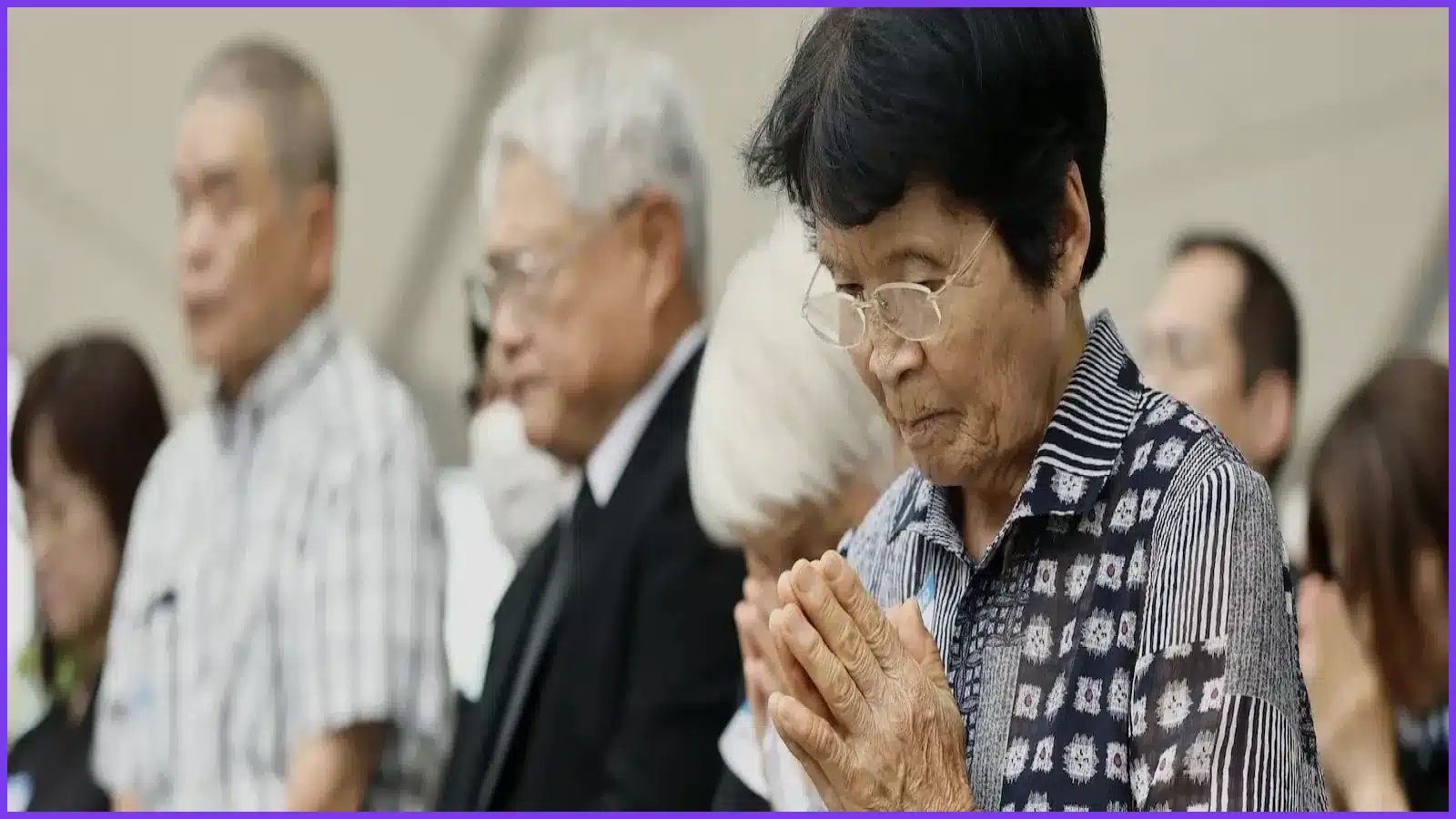
Nagasaki commemorated the 81st anniversary of the U.S. atomic bombing on Sunday, an event that drew representatives from over 90 countries to the city’s Peace Park. At 11:02 a.m., the exact time the plutonium bomb known as “Fat Man” was dropped in 1945, attendees observed a solemn moment of silence.
Mayor Shiro Suzuki used the occasion to issue a stark warning against the reliance on nuclear weapons for national security. He labeled such armaments as “absolute evil” that cannot coexist with humanity. Suzuki directly challenged the global theory of nuclear deterrence, arguing that it is both fragile and dangerous. “To all leaders of the nuclear states and nations relying on nuclear deterrence, you must face the reality that the more you rely on nuclear deterrence, the more you increase the risk of a nuclear war,” the mayor stated.
The ceremony occurred amidst domestic political tension regarding Japan's defense policy under Prime Minister Sanae Takaichi. The government is currently revising its defense strategy to bolster military offensive capabilities, fueling speculation that Takaichi might consider allowing nuclear weapons into the country. Such a move would conflict with Japan's third non-nuclear principle, which prohibits the introduction of nuclear armaments onto Japanese soil.
Addressing the Japanese government directly, Mayor Suzuki demanded that officials uphold the nation's war-renouncing Constitution, adhere to the three non-nuclear principles, and participate in the upcoming Treaty on the Prohibition of Nuclear Weapons review conference. While Prime Minister Takaichi attended the ceremony and reiterated her commitment to a “realistic and pragmatic approach” toward disarmament, she remained ambiguous regarding the non-nuclear principles and did not mention the treaty, which Japan has declined to sign due to its reliance on the U.S. nuclear umbrella.
Takaichi later told reporters that her administration intends to work within the framework of the Nuclear Nonproliferation Treaty, emphasizing that future decisions will be based on national security effectiveness. However, these remarks have left many survivors, known as hibakusha, frustrated. Survivors have expressed concern over the government’s perceived insincerity regarding nuclear deterrence and have staged protests against the potential easing of non-nuclear policies.
The number of survivors continues to dwindle, now standing at 91,105, with an average age exceeding 86. Many worry that as their generation ages, the memory of the catastrophe—which killed 70,000 people in Nagasaki by the end of 1945, following the 140,000 who died in the Hiroshima attack—will fade.
9, 1945, killing 70,000 by the end of that year, three days after the bombing of Hiroshima that killed 140,000.
15, 1945, ending World War II and the nearly half-century of aggression across Asia.Representatives from more than 90 countries attended the ceremony at the Peace Park on Sunday and observed a moment of silence at 11:02 a.m.
Related Articles

Meet Md. Rubel Rana
As a core contributor to Worlddincidents.com, Rubel Rana brings a unique perspective to the world of journalism. Whether it’s deep-diving into historical trivia or covering the latest global headlines, Rubel Rana is committed to delivering high-quality, high-impact articles. Their writing blends meticulous research with a compelling voice, helping readers stay informed and curious about the world around them.