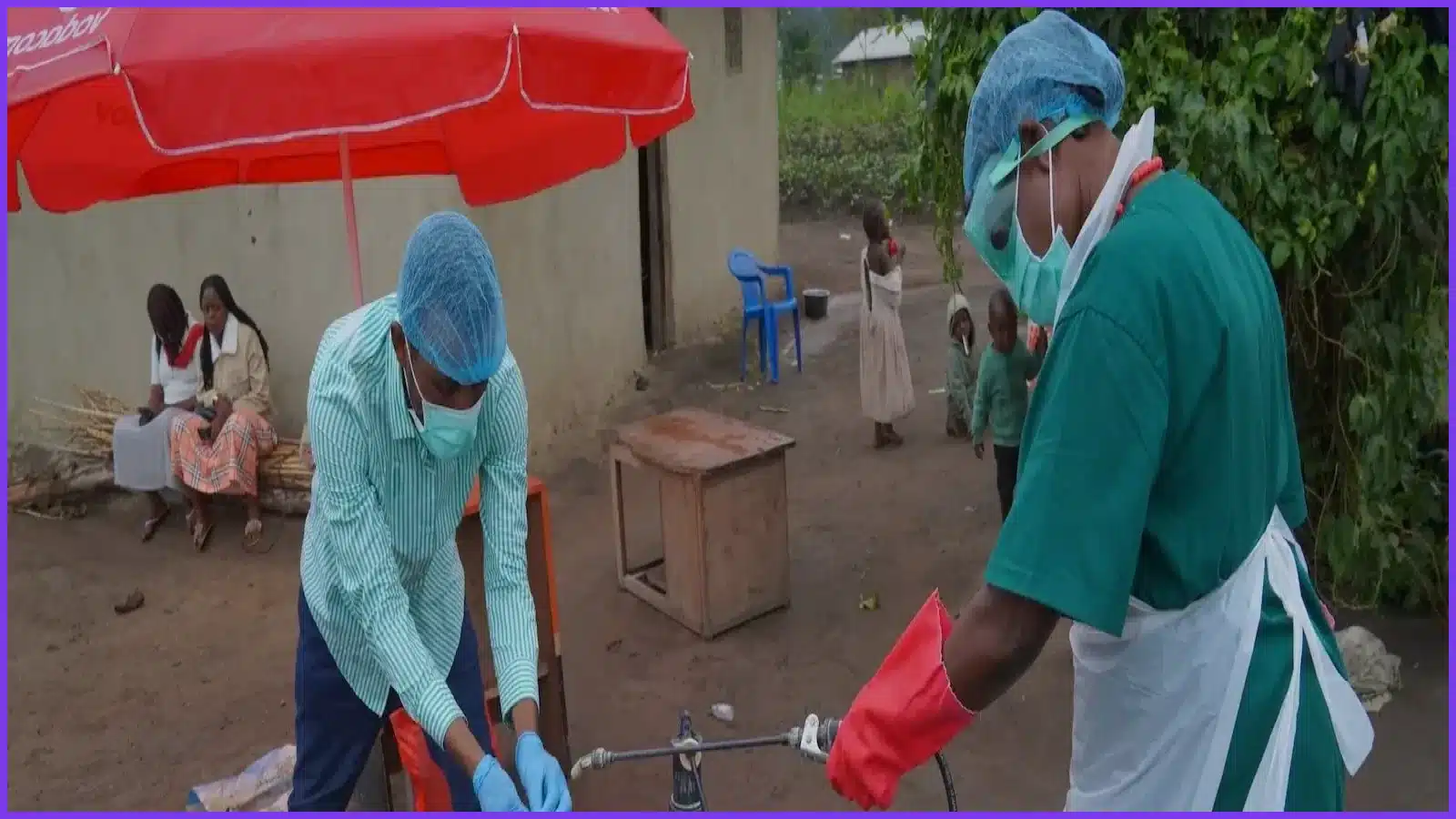
The World Health Organization has revealed that the ongoing Ebola outbreak in eastern Congo actually began in February, months prior to its official declaration on May 15. Dr. Mohamed Yakub Janabi, the WHO regional director for Africa, explained during a news conference that genetic sequencing confirmed the earlier start date. He noted that several initial cases had been incorrectly identified as malaria or typhoid, which contributed to the delay in recognizing the true nature of the health crisis.
"So we are chasing the virus, the virus is ahead of us," Dr. Janabi stated regarding the current efforts. This outbreak is particularly difficult to manage because it involves the rare Bundibugyo virus, for which there are no currently approved vaccines or medical treatments. Early testing protocols focused on the more common strains of Ebola, further complicating the initial response.
The situation in the region is described as exceptionally challenging. Responders are navigating remote, unpaved roads while dealing with misinformation, community anger, threats from rebel groups, and strikes by unpaid health workers. Additionally, a significant population of displaced individuals lacks access to clean water for basic hygiene. Health officials have reported that between 60% and 70% of new cases are being identified outside of existing contact-tracing networks, signaling an alarming rate of spread.
WHO Director-General Tedros Adhanom Ghebreyesu, who recently met with officials in the capital, Kinshasa, noted on X that the virus is currently spreading faster than containment measures can be implemented. In some hotspots, the number of new cases is doubling. This rapid escalation makes the current epidemic one of the deadliest and fastest-growing on record. For comparison, the 2014-2016 West Africa outbreak, which resulted in over 11,000 deaths from at least 28,000 cases, took eight months to reach 1,000 deaths.
The outbreak is concentrated in a vulnerable area near the borders of Uganda, Rwanda, and South Sudan, where years of rebel conflict have already severely limited healthcare access. Fearing the virus, some residents, including pregnant women, are avoiding local health centers. This trend of late declaration is not unprecedented; the 2014-2016 West Africa outbreak was also declared in March 2014, even though the first human case was later traced back to December 2013.
Related Articles

Meet Md. Rubel Rana
As a core contributor to Worlddincidents.com, Rubel Rana brings a unique perspective to the world of journalism. Whether it’s deep-diving into historical trivia or covering the latest global headlines, Rubel Rana is committed to delivering high-quality, high-impact articles. Their writing blends meticulous research with a compelling voice, helping readers stay informed and curious about the world around them.
1 thought on “Congo Ebola Outbreak Began Months Before Official Declaration”