Throughout 250 years of United States history, the office of governor has remained remarkably exclusive, with only 3 Black individuals elected to the position. All 3 were men and all were Democrats, including the current Maryland Governor Wes Moore. However, the landscape of American politics is witnessing a potential turning point this year. Following the nomination of US Representative Byron Donalds by Florida Republicans, there are now 8 Black major party gubernatorial nominees joining Moore on ballots across the country this November. These candidates represent both political parties and include both men and women.
Wes Moore, who recently assumed the role of chair for the National Governors Association, acknowledged the significance of the moment. He frequently emphasizes that his own historic status should not be viewed as an "applause line," but rather as a reflection of a persistent challenge that the nation is still working to overcome. Many of the current Black nominees prefer to focus on their policy proposals and professional experience rather than the historical nature of their candidacies. In Florida, Byron Donalds avoided mentioning his race during his victory speech, telling reporters that he leaves the narrative surrounding his identity to the media, preferring to highlight the state as a meritocracy.
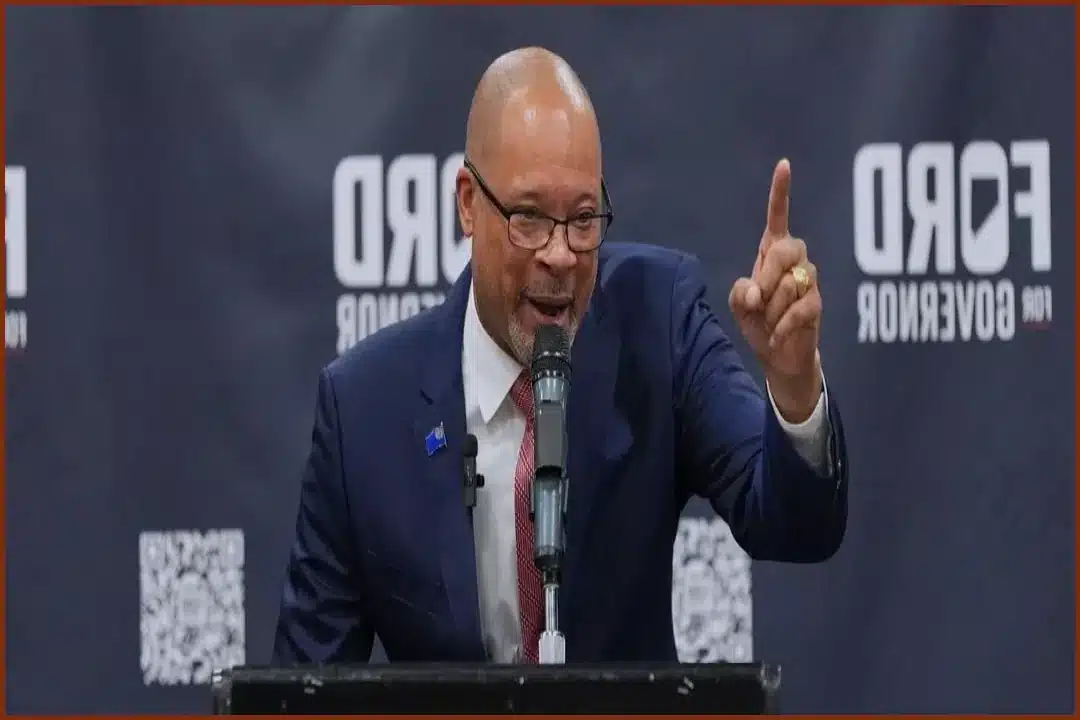
Despite this focus on policy, many observers argue that reflective representation is essential, particularly given the nation's history involving slavery, Jim Crow, and their lingering societal effects. Aaron Ford, the first Black attorney general in Nevada and the current Democratic nominee for governor, noted that certain issues within African American communities are often ignored. He stated that his platform prioritizes civil rights, voting rights, and the economy. Minnesota's first Black House speaker and current Republican gubernatorial nominee, Lisa Demuth, shared a similar perspective on identity politics. While she maintains that she has never led with identity-based political strategies, she recognized the historic nature of the current political climate.
Other notable Black candidates in the race include US Representative John James, who secured the Republican nomination in Michigan, as well as Democrats Keisha Lance Bottoms in Georgia, Jermaine Johnson in South Carolina, and David Crowley in Wisconsin. Former New York Governor David Paterson, who ascended to the role in 2008 following the resignation of Eliot Spitzer, celebrated the cross-party nature of the slate. He suggested that the moment is one where both parties might acknowledge that the nation is finally moving toward a more representative path.
Democratic supporters emphasize the importance of these candidacies following recent US Supreme Court decisions that permitted states to redraw legislative districts that are majority or plurality nonwhite. This concern is bolstered by ongoing efforts in some Republican-led administrations to restrict diversity initiatives and alter the teaching of history regarding the slave trade and segregation. Moore noted that governors are increasingly serving as the final line of defense against federal policy shifts. Karen Finney, a political strategist, argued that Black politicians are often the most vocal advocates for issues such as health disparities, including maternal and infant mortality and sickle cell disease, as well as the economic pressures that disproportionately affect Black communities.
Achieving the governor's office has proven historically difficult, even more so than the US Senate. Douglas Wilder of Virginia became the first elected Black governor in 1990. Moore remarked that his own path to the governorship was not facilitated by party leadership, but rather required him to run against the party’s establishment. He expressed frustration with what he described as negligence within the Democratic Party, particularly in southern states where Black voters form the core of the base. Stacey Abrams, who previously ran for governor in Georgia, recalled white Democratic power players supporting her primary opponent in 2018. She noted that while she did not attribute this to explicit racism, the lack of previous Black executives created a self-reinforcing cycle of exclusion.
Perspectives on identity politics vary significantly between the candidates. In Minnesota, Demuth is competing against Senator Amy Klobuchar, ensuring the state will elect its first female governor. Demuth expressed a desire for a future where such milestones are no longer notable, hoping that her victory would provide a blueprint for young women. Conversely, Abrams argued that all politics involves identity to some degree, describing the Republican dismissal of identity politics as "woefully naive" given the historical context of the US Constitution and the ongoing struggle to address racial inequality.
Former Massachusetts Governor Deval Patrick noted that his race influenced the expectations of his constituents, specifically regarding his presence at community events. He recalled facing criticism for not visiting a neighborhood after a teenager was killed by gun violence, highlighting that his predecessors were rarely expected to attend local crime scenes. However, Ford and Patrick both stressed that successful candidates must appeal to a broad demographic, focusing on universal issues like housing, jobs, and healthcare while presenting themselves as leaders for all citizens.
Related Articles

Mr. Udoy is a professional Web Developer and Blogger with 7+ years of experience in the tech world. He specializes in web architecture and digital storytelling. As the driving force behind worldincidents.com, he focuses on delivering high-quality, well-researched content to a global audience.
1 thought on “Eight Black Candidates Vie for Governor in US Elections”