The United Nations peacekeeping force in Lebanon (UNIFIL) announced on Friday that it recorded 1,030 projectile trajectories in southern Lebanon over a one-week period from August 21 to 27. This represents an average of 147 projectiles fired per day. In a post on X, the mission warned that although the levels of violence are lower than they were earlier this year, the situation in southern Lebanon remains highly fragile.
The ongoing hostilities continue to take a heavy toll on civilians, causing extensive damage to homes and vital infrastructure, while local communities struggle to recover. UNIFIL stated that its peacekeepers are actively monitoring and reporting developments on the ground while engaging with both parties to prevent further escalation. The mission emphasized that full commitment to UN Security Council Resolution 1701 is crucial for reducing tensions, restoring stability, and enabling recovery.
Resolution 1701 was established in 2006 following a 33-day war between Israel and Hezbollah. It mandates a complete cessation of hostilities and the creation of a demilitarized zone between the Litani River and the Blue Line—the border separating Lebanon and Israel—where only the Lebanese army and UNIFIL are authorized to deploy. The peacekeeping mission's current mandate is scheduled to expire at the end of this year, sparking debates over its future, though Beirut continues to advocate for its continued presence to maintain stability.
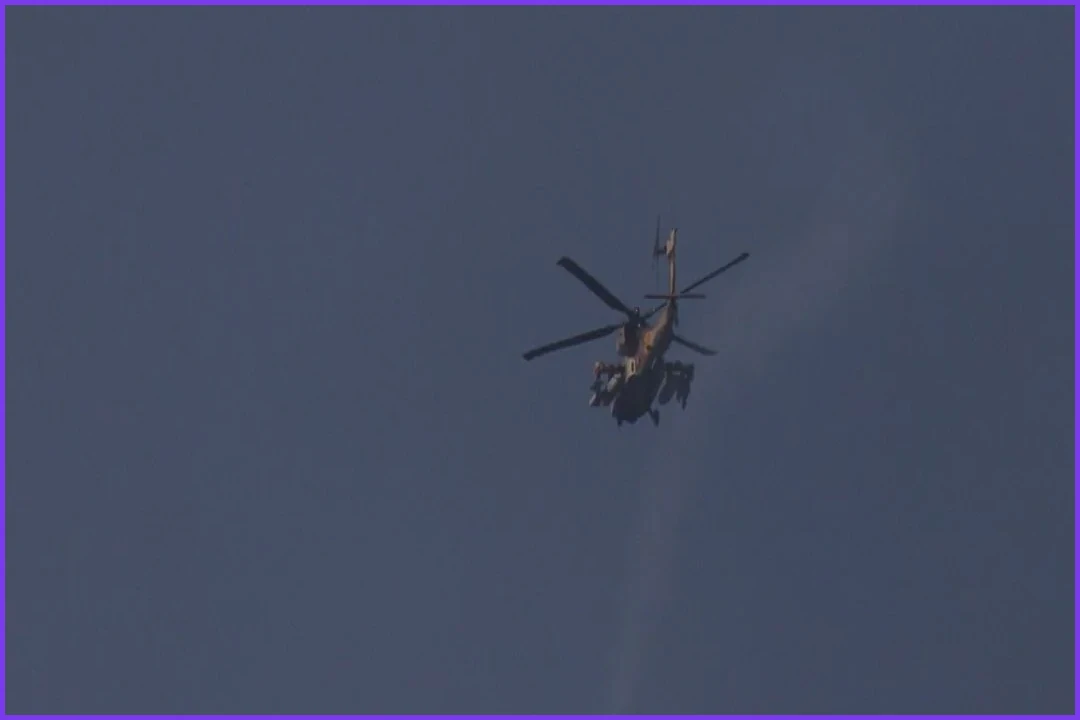
Meanwhile, the Israeli military intensified its operations in southern Lebanon on Friday. Israeli forces carried out demolitions in three towns, advanced toward the Aita al-Jabal municipality, ignited fires in multiple areas, and launched artillery barrages at nearby locations. According to Lebanon's Health Ministry, two people were killed and eight others were injured over a two-day period ending Friday. This brings the total casualties from Israeli assaults in southern Lebanon since March 2 to 4,352 dead and 12,318 injured.
Israeli forces maintain a long-standing presence in several parts of southern Lebanon, with some areas under occupation for decades. During a previous phase of fighting spanning 2023 and 2024, Israeli forces further expanded their footprint, pushing several kilometers deeper into Lebanese territory.
Related Articles

Meet Md. Rubel Rana
As a core contributor to Worlddincidents.com, Rubel Rana brings a unique perspective to the world of journalism. Whether it’s deep-diving into historical trivia or covering the latest global headlines, Rubel Rana is committed to delivering high-quality, high-impact articles. Their writing blends meticulous research with a compelling voice, helping readers stay informed and curious about the world around them.