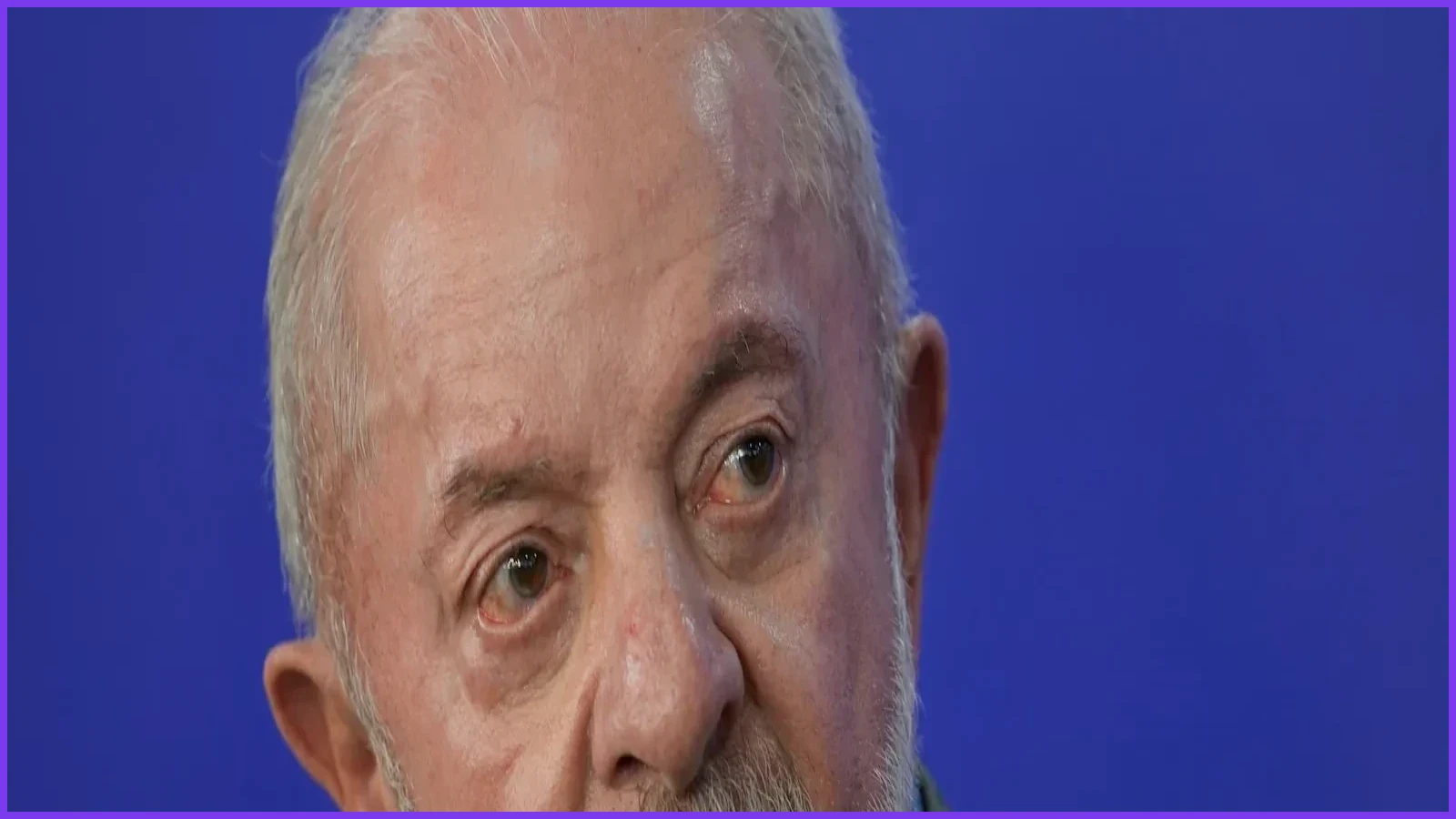
Brazil’s Senate has overwhelmingly approved a constitutional amendment to trim the national maximum workweek from 44 to 40 hours without reducing wages, delivering a major political victory to President Luiz Inácio Lula da Silva shortly before the country's upcoming presidential runoff.
The measure passed the 81-member upper house on Wednesday through two consecutive rounds of voting, both yielding a 75 to 1 result. Former Vice President Hamilton Mourao, who served under former President Jair Bolsonaro, cast the lone vote in opposition. Following the vote, supporters in the chamber chanted Lula's name, while opposition lawmakers aligned with Bolsonaro quickly exited.
Under the newly passed constitutional amendment, Brazilian workers will receive a mandatory limit of 40 weekly hours along with two rest days per week while retaining full salaries. Official government estimates indicate that over 37 million employees stand to benefit from the reform. President Lula is expected to officially sign the measure into law next week.
A major point of debate during legislative negotiations was the implementation timeline. While many corporate leaders and legislators lobbied for a gradual 10-year transition period, the final text provides businesses with a 14-month window to implement the shorter hours.
Celebrating the vote, Lula highlighted the human impact of the legislative shift. “Today is a day to celebrate a historic achievement for millions of workers,” he stated. “This means having more time to live, rest, be with family, watch your children grow up, take care of yourself, and enjoy life. Those who work so hard to build Brazil also deserve to have time to live.”
The vote was strategic timing by Senate leadership ahead of the Oct. 25 runoff election where Lula faces Flávio Bolsonaro. Senate President Davi Alcolumbre was heard telling a key Workers' Party senator, “Didn't I say this was going to work?” after deliberately scheduling the decision between the first and second election rounds to bolster the incumbent.
Public polling showed widespread popular backing for reducing working hours, despite pushback from business leaders. Allies of Bolsonaro argued during floor debates that the adjusted schedule would push up consumer living costs. Furthermore, Carla Beni, an economist at the Getulio Vargas Foundation think-tank and university, observed that “any change made in an election year can be considered an electoral measure.” Lula’s administration has been developing the labor reform proposal since last year.
The workweek cut is considered the centerpiece of a broader campaign effort by Lula to gain ground before the second-round vote. In recent days, the president has introduced fresh fuel tax cuts, extended existing subsidies, promised to forgive federal debts for over 3.6 million small businesses, authorized cellphone signal blocking near prison facilities, and raised welfare payments for university students.
Flávio Bolsonaro, who outpolled Lula by 2.2 million votes in the first round, unexpectedly dropped his long-standing opposition to the amendment on Tuesday. He had previously called the legislation election-driven, urging instead for flexible hourly wage systems and direct individual employer-employee negotiations. However, local media reported that hours after publicly endorsing the reform, Bolsonaro privately assured business owners that a newly elected Congress—where his party and allies could hold a simple majority by February—might re-examine and review the law.
Grassroots mobilization played a key role leading up to the Senate vote, with pro-Lula demonstrations taking place across Brazil over the past week. Following Wednesday's decision, crowds gathered to celebrate in major cities, including Sao Paulo and Rio de Janeiro. During a rally of hundreds in Rio, 23-year-old protester Lunna Normande remarked, “We needed the people out on the streets. We will continue to be on the streets until this inhumane work week ends.”
The reform does not cover workers in Brazil's shadow economy, leaving freelancers and delivery drivers outside the scope of the new rules. Nevertheless, the vote aligns Brazil with a broader labor movement across Latin America. Chilean lawmakers passed the 40-Hour Law in 2023, cutting their workweek to 40 hours without salary reductions for employees covered by the country's Labor Code starting last year, while Colombia recently lowered its workweek to 42 hours.
Elsewhere in the region, Mexican lawmakers approved a proposal in February from President Claudia Sheinbaum to phase down Mexico's 48-hour workweek to 40 hours by 2030. Conversely, Argentina has diverged from its neighbors under President Javier Milei, considering options to potentially extend its existing 48-hour workweek.
Related Articles

Mr. Udoy is a professional Web Developer and Blogger with 7+ years of experience in the tech world. He specializes in web architecture and digital storytelling. As the driving force behind worldincidents.com, he focuses on delivering high-quality, well-researched content to a global audience.