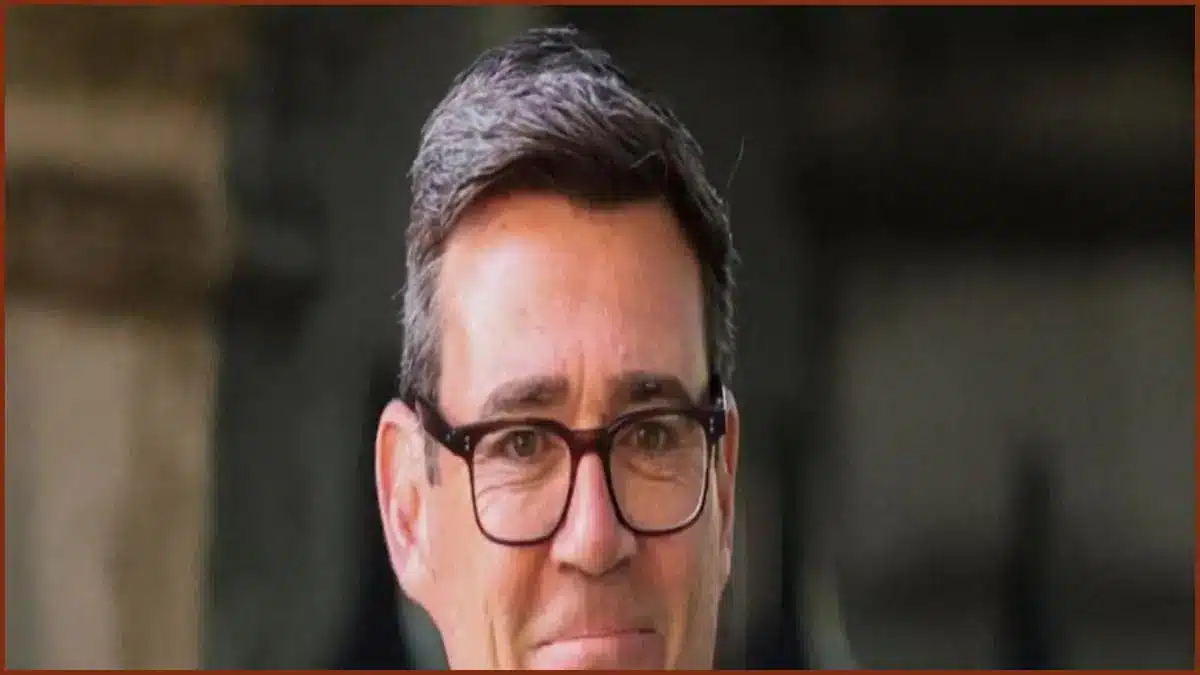

Andy Burnham has moved significantly closer to becoming the next Labour leader and prime minister, as 322 Labour MPs have officially nominated him to replace Sir Keir Starmer. Since the nomination process opened on Thursday, Burnham has emerged as the sole candidate, needing only one more nomination to reach the 323-vote threshold that would make it mathematically impossible for any rival to challenge him. Some MPs who were unable to vote on Thursday have indicated they intend to support him upon their return to Parliament.
Should no other candidates enter the contest, Burnham is expected to be declared leader next week and assume the role of prime minister on 20 July. This development follows his recent by-election victory in Makerfield. Burnham expressed gratitude for the cross-party support, stating it came from across the party and “reflects a shared belief that Britain needs a new approach to politics.” He outlined his vision as a “circuit breaker” involving the decentralization of power from Westminster, an economy focused on ordinary people, and growth across every postcode.
The path to an uncontested leadership became clear on Wednesday evening when former defence minister Al Carns, who had been considered a potential challenger, ruled himself out. While the transition appears set to bypass a summer vote by party members and trade unions, some within Labour have urged Burnham to provide further policy details. Candidates have until next Wednesday to secure 81 nominations to enter the race, and Burnham must also receive backing from at least three of the 31 affiliated socialist societies and trade unions, a step expected to be a formality.
Sir Keir Starmer, who resigned the same day Burnham was sworn in as an MP, has endorsed his successor, stating that he has known and worked with him for a long time. Burnham, who joked that his bid would be “third time lucky” following previous attempts in 2010 and 2015, has already begun outlining his policy blueprint. This includes a proposal for a new No 10 unit in Manchester to empower local government on housing and transport, and a pledge for greater public control of energy and water sectors. What we know about Andy Burnham’s policies remains a key point of interest for the party.
Additionally, Burnham has apologized for Labour’s initial response to the conflict in Gaza, noting the party needs improvement under his leadership. He has also confirmed his intent to retain Sir Keir’s national security adviser, Jonathan Powell, and supports a sustained increase in defence investment. These plans come as Sir Keir recently announced a £15bn increase in military spending over four years, funded by cuts elsewhere. Burnham is scheduled to face questions from Labour MPs at a parliamentary hustings on Monday, while his team continues “access talks” regarding policy proposals with Cabinet Secretary Antonia Romeo.
Burnham left Westminster in 2017, limiting his opportunities to forge strong relationships with Labour MPs elected since then, who now make up the bulk of the party's contingent in the House of Commons.
So-called "access talks" with civil servants about his policy proposals are ongoing, run by Cabinet Secretary Antonia Romeo, the UK's most senior official.
