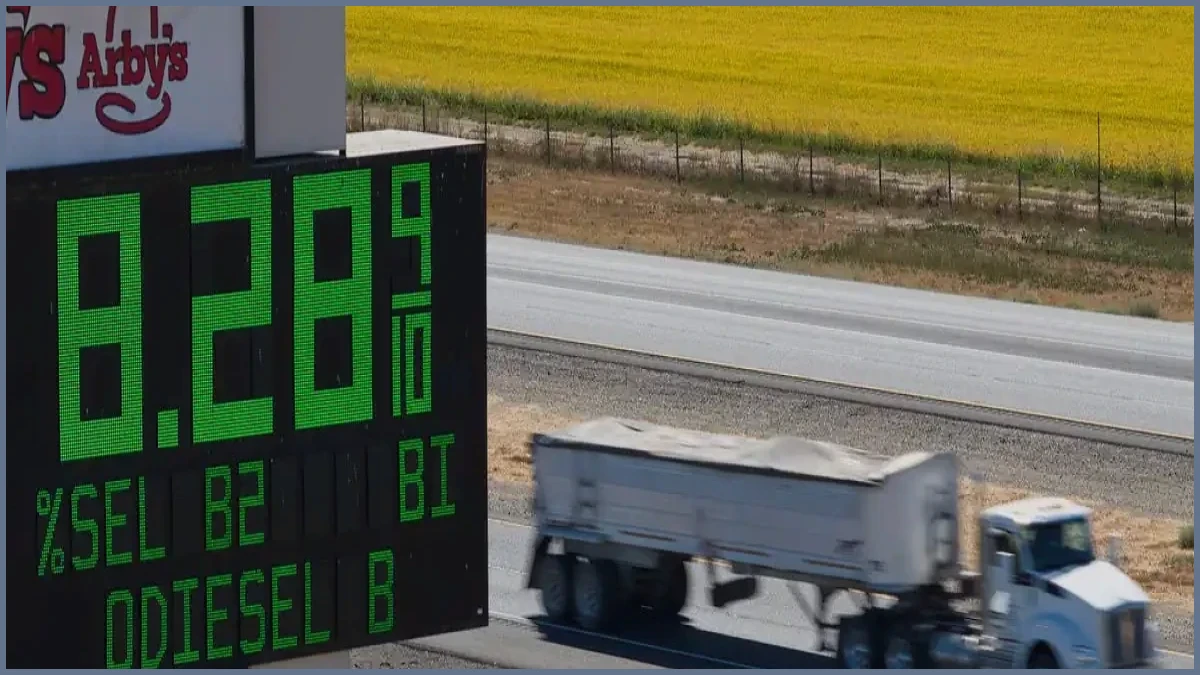
European nations held a high-level discussion on October 1 to address the potential release of diesel from their strategic reserves. The meeting, which included representatives from Germany, France, Italy, Ireland, the United Kingdom, and the European Commission, was prompted by pressure from the Trump administration. Officials indicated that the United States has threatened to impose a ban on diesel exports unless European countries act to help stabilize energy prices ahead of the November midterm elections.
A spokesperson for the Trump administration stated that it remains in Europe's best interest to cooperate with the United States in finding pathways to increase the supply of refined petroleum products to lower consumer costs. U.S. Energy Secretary Chris Wright, who has publicly expressed opposition to a blanket export ban, noted on September 30 that the U.S. and the European Union are actively working on collaborative plans to reduce diesel prices. Wright suggested that upcoming announcements from European partners regarding new diesel supplies would meaningfully impact market prices.
President Donald Trump, who previously expressed support for a temporary export ban while speaking at the United Nations, confirmed on September 30 that he continues to weigh the implementation of such a measure. Current data from AAA highlights that the average cost of a gallon of diesel in the United States has reached $6.39. In Europe, the situation is more severe, with European Commission data placing the average price at $9.53 per gallon, a significant increase from the roughly $7.11 average recorded before the onset of the war in Iran.
European Commission spokesperson Anna-Kaisa Itkonen confirmed that the Commission is coordinating with member states to examine appropriate measures. She noted that any decision to tap into strategic reserves would necessitate involvement from the International Energy Agency, which previously oversaw the release of 400 million barrels of oil in March to mitigate supply disruptions caused by the war in Iran and the ongoing conflict in Ukraine.
Industry experts remain skeptical about the efficacy of a U.S. export ban. Energy strategist Clay Seigle warned that such a move against international allies could backfire, potentially signaling that the United States is an unreliable partner. Meanwhile, Rebecca Babin, a senior equity trader for CIBC Private Wealth, observed that any release of emergency reserves would likely provide only temporary relief, primarily benefiting the European market while potentially stimulating demand that high prices had previously suppressed.
Related Articles

Meet Md. Rubel Rana
As a core contributor to Worlddincidents.com, Rubel Rana brings a unique perspective to the world of journalism. Whether it’s deep-diving into historical trivia or covering the latest global headlines, Rubel Rana is committed to delivering high-quality, high-impact articles. Their writing blends meticulous research with a compelling voice, helping readers stay informed and curious about the world around them.