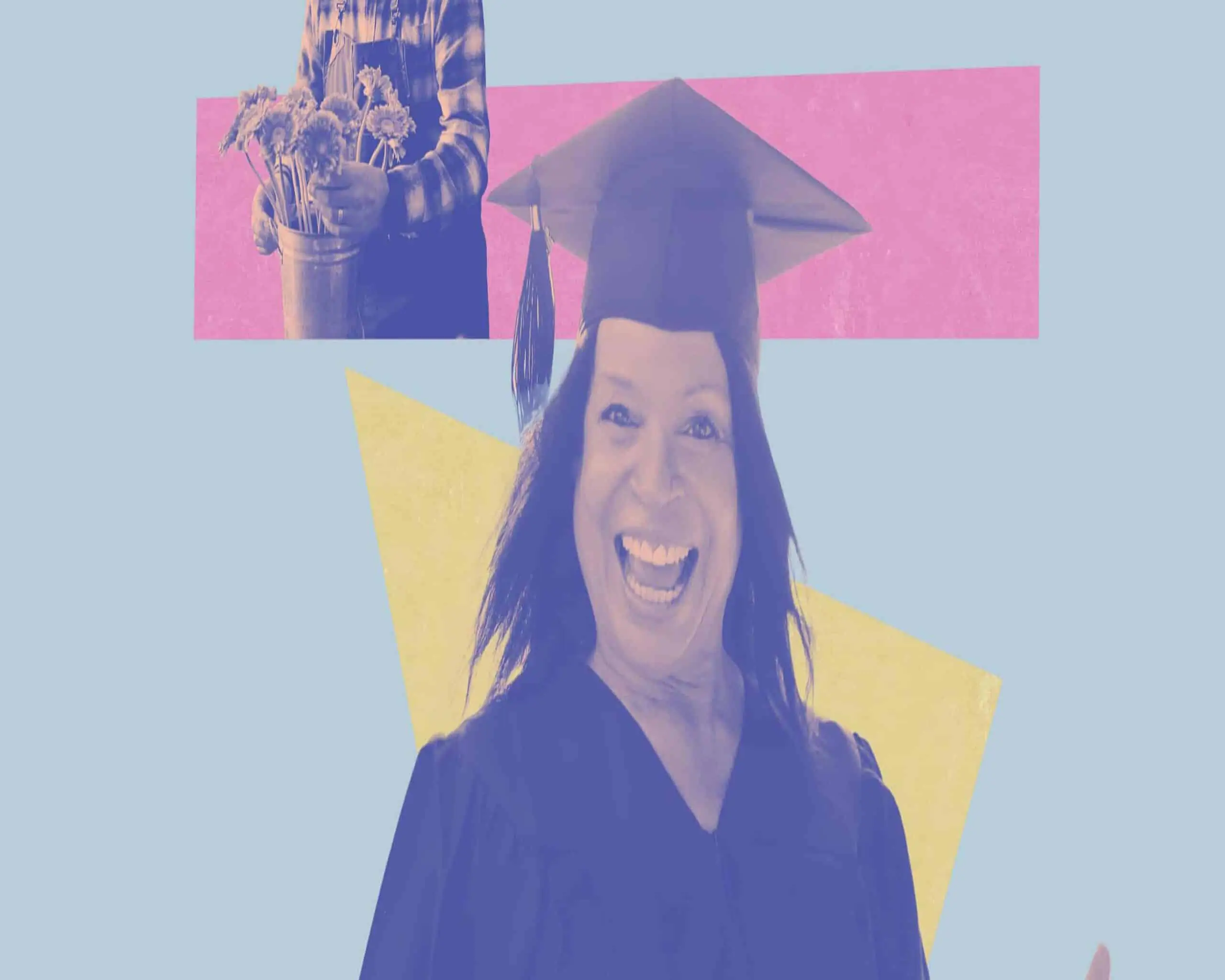
It is never too late to pursue your dreams, as evidenced by a diverse group of individuals who found remarkable success in their later years. From standup comedy to academia and entrepreneurship, these seven people share their strategies for embarking on a fulfilling second act.
Fiona Leitch, 56, from Great Yarmouth, always dreamed of being a screenwriter but grew up in an area where such aspirations were uncommon. She eventually reworked a script into her first novel, ‘Dead in Venice,’ at age 48. The novel was picked up by Audible in 2017, and she has since published her 10th Cornish cosy mystery novel. Leitch emphasizes the importance of admitting your desires to yourself: “admit to yourself that is what you want to do.”
Nola Bliss, 77, from York in Western Australia, found her calling as a standup comedian in her 70s, performing for large crowds and even winning her state’s Next Gen comedy competition in 2025. While she jokes that her earnings wouldn’t support a flea, she boasts a devoted fan base of younger men who find her humor akin to a “naughty auntie.” Bliss advocates for facing fears head-on, stating, “Feel the fear and do it anyway.” She adds, “What’s the worst that can happen? You find you don’t like it and you stop? But at least you won’t die thinking: ‘I wish I’d done that.’”
Lisbeth Dreyer, who became a flower farmer and florist in her 60s in Aurland, Norway, suggests that failure often goes unnoticed. She finds that the perspective gained with age allows one to understand that “it all goes into the river of life and life keeps going.” This outlook helps in navigating new ventures without undue pressure.
Steven Taylor, 73, a proponent of neuroplasticity, recently completed a PhD, a goal he had deferred from his 20s. He believes that continuing to develop cognitive capacity in older age was key to his success. Taylor highlights the advantage of life experience, noting that when he returned to university in his mid-60s, his background allowed him to draw upon and refer to a wealth of knowledge, feeling intellectually curious after years of being “starved of that stuff for 40 years.” He has also authored a book titled ‘Ageing Radically,’ which explores constructive approaches to later life.
Bliss advises looking for passions or existing skills to build a second act upon. She began her comedy journey in her 50s after enrolling in a writing class. Her advice for pursuing a new path is to “go big.” If one wants to knit, she suggests knitting something substantial, not just small items like booties.
Leitch echoes the sentiment of finding passion, suggesting that a hobby like gardening could lead to a career in garden design or horticulture. She encourages people to consider how to transition from unfulfilling jobs to more rewarding careers.
Shashi Aggarwal, from Walsall, established the highly successful Spice Kitchen business in her seventh decade, a significant shift from her previous career selling products in shops. “I was itching to do something myself,” Aggarwal stated, believing she might not have achieved more if she had started earlier. Despite being 75, she enjoys her work immensely, saying, “People say I am mad to be working at 75, but I enjoy every bit of what I do.” She also notes the advantage of owning her business, allowing her to “work when I want to work.”
Aggarwal’s business began with a simple idea suggested by her son: selling homemade spice mixes. Initially skeptical about market demand, she received her first order on eBay on Boxing Day. Spice Kitchen now supplies 600 shops across the UK. She recommends trying ideas, starting small, and allowing them to grow, emphasizing, “If you don’t try, you’ll never know.” Dreyer adds that freelancing, while potentially daunting for some, can be “the most fun thing in the world to find your market, find your customers.”
Taylor challenges traditional notions of retirement, suggesting that the idea of simply “kicking back, making jam and going on cruises is becoming less realistic.” He proposes that financial stability in later life can be leveraged to find more enjoyable or less demanding ways of earning a living, rather than solely focusing on accumulating wealth or property.
Aggarwal, who worked for 40 years, Monday to Saturday, feels that doing nothing is not an option for her. “I have a lot more to give,” she asserts.
Dreyer encourages people to remember they have only one life and should pursue their desires. “I think people feel bad inside if they don’t try what they want to do. If it doesn’t work, at least you tried. It is easier to live with it if you try.”
Bliss encapsulates the idea that “Age is a state of mind,” and pursuing a second career can “keep you alive, keep you young, keep you interesting.” Leitch also notes that life experiences provide valuable insights for creative work, acting as a form of research. She advises perseverance and seizing opportunities, even those that seem unlikely.
Reflecting on her own journey, Bliss states, “Even the things that maybe I shouldn’t have done, I don’t regret, because they’ve made me who I am now.” She views life as a tapestry, with all its imperfections contributing to one’s identity.
Leitch experienced a pause in her writing career when her son was born in 2003, finding it difficult to write with young children. She took on part-time jobs like cleaning and working in a contact lens factory around school hours. It wasn’t until her son was about 10 that she fully resumed writing, leading to her current success.
Taylor’s PhD research involved exploring underground clubs and dancing until the early hours, fueled by espresso martinis, demonstrating that a second act can be vibrant and active.

Md. Kazi Bijoy is a dedicated tech enthusiast and content creator with a passion for digital innovation. With years of experience in the tech industry, he specializes in breaking down complex topics into easy-to-understand guides. When he isn’t writing, he explores the latest gadgets and researches emerging trends in the digital world.