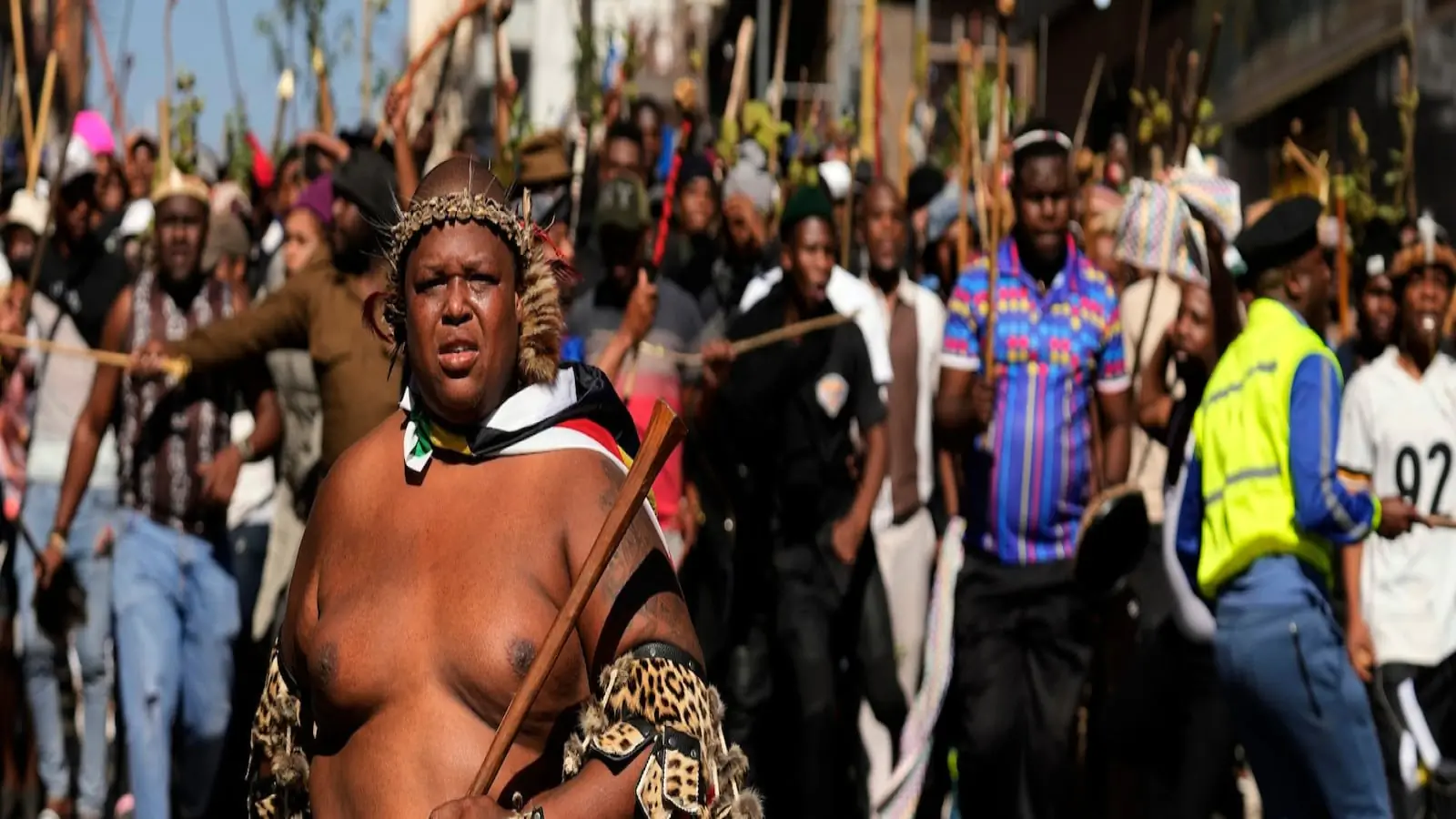
South African officials have confirmed the deportation or repatriation of more than 53,000 immigrants over the past month. This aggressive crackdown on illegal migration coincides with a series of sometimes violent protests that have left the country on edge. As anti-immigrant sentiment surges, several African nations have stepped in to provide buses and planes to assist their citizens in returning home.
The enforcement efforts have been accompanied by civil unrest, with police reporting the arrest of 350 individuals linked to public violence, intimidation, and unauthorized immigration checks. These checks involve groups of civilians confronting migrants to demand documentation. Authorities are currently investigating the deaths of at least three migrants, including two from Mozambique and one from Malawi. While Nigeria has alleged that two of its citizens were killed during these protests, South African officials have disputed the claim that these deaths were directly linked to the anti-immigrant unrest.
The majority of those deported or repatriated are from Malawi, Zimbabwe, and Mozambique, though the group also includes citizens from Nigeria, Uganda, and Kenya. In the northern border town of Musina, more than 20,000 migrants were processed at a temporary center. Meanwhile, in the eastern city of Durban, thousands of Malawians gathered at a temporary site to seek repatriation, with officials noting that while some left voluntarily, many were officially deported for lacking legal status.
President Cyril Ramaphosa recently introduced plans to bolster border security and enforce immigration laws, acknowledging the rising tensions in Africa’s most developed economy. His administration has faced growing pressure from anti-migrant groups that attribute high unemployment and crime rates to the immigrant population, though these claims remain unsubstantiated. Ramaphosa has publicly warned citizens against taking the law into their own hands, specifically citing reports of vigilante attacks.
Advocacy groups, such as the Southern Africa Network for Immigrants and Refugees, have raised concerns that the current climate has created a dangerous misconception. Sabina Tadera, a representative of the network, noted that many individuals fleeing to temporary camps were actually in the country legally but feared for their safety. The crackdown has triggered diplomatic friction, with several home countries criticizing South Africa for fostering a climate of xenophobia. South Africa has historically been a hub for migrants due to its relative wealth, though this has led to periodic outbursts of violence, including incidents in 2008 that resulted in more than 60 deaths.
“There is a misconception that all people on the move are undocumented,” she told The Associated Press.

Md. Kazi Bijoy is a dedicated tech enthusiast and content creator with a passion for digital innovation. With years of experience in the tech industry, he specializes in breaking down complex topics into easy-to-understand guides. When he isn’t writing, he explores the latest gadgets and researches emerging trends in the digital world.