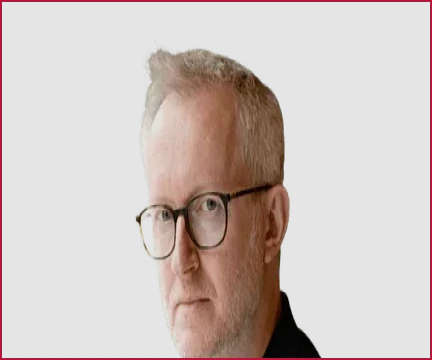
A series of unexpected electoral defeats for prominent authoritarian and post-democratic political figures across Hungary, Serbia, Brazil, and Israel has sparked international debate over whether 2026 could mark a historic turning point for global democracy. David Van Reybrouck, a Belgian author, philosopher laureate for the Low Countries, author of 'Against Elections: The Case for Democracy', and initiator of Democracy27, highlights these political shifts as evidence that the dominance of autocratic leaders is not an unalterable law of nature, suggesting 2026 may ultimately rank as the most encouraging year for democratic renewal in more than a quarter of a century.
The momentum began in April with a dramatic election outcome in Hungary. Péter Magyar, leading a broad civic movement, successfully unseated Prime Minister Viktor Orbán, long considered the European Union's most deeply entrenched autocrat. Over his extended tenure, Orbán systematically consolidated power by controlling domestic media, subjugating the judiciary, and curtailing academic freedom. Magyar, a centre-right leader and former member of Orbán's own party, mobilized broad public support to end Orbán's authoritarian grip, triggering exuberant celebrations along the banks of the Danube River.
A similar surge of public discontent unfolded 300 kilometers down the river in Belgrade, Serbia. The Student List—a bottom-up alliance of students, academics, and angry citizens—unexpectedly defeated Aleksandar Vučić. Holding power tightly since 2014, first as prime minister and later as president, Vučić relied on far-right bravado, financial scandals, and contempt for the rule of law. Public tolerance reached its limit following the 2024 collapse of a newly constructed roof canopy at the Novi Sad train station, which killed 16 people and sparked widespread outrage over systemic corruption. The Student List was headed by Ilija Srdanović, a cardiologist and university professor with no pronounced ideological profile who champions press freedom and the rule of law while maintaining a traditional Serbian nationalist position that Kosovo should not be independent.
In Latin America's largest economy, Luiz Inácio Lula da Silva secured a fourth presidential term in Brazil, halting a streak of victories for right-wing populists in the region. Although initial polling and first-round results favored Flávio Bolsonaro—leading many Brazilians to brace for a radical-right administration similar to that of his father—Lula, a former factory worker born to poor, illiterate farmers, surprised observers by winning the run-off. Following his loss, Bolsonaro Jr. adopted tactics associated with Donald Trump, treating election results as legitimate when he wins and rigged when he loses.
In Israel, Prime Minister Benjamin Netanyahu's governing bloc lost its parliamentary majority amid a rise in support for Arab political parties. Although opposition factions have not yet assembled a working government, they now hold the larger parliamentary bloc. Netanyahu has sought to discredit the election outcome by alleging that Qatar interfered on behalf of Palestinian parties. Van Reybrouck defines leaders like Orbán, Vučić, Bolsonaro, and Netanyahu as 'post-democrats'—figures who maintain the outer facade of democracy while hollowing out internal institutions, muzzling opposition, prosecuting critical media, and treating legal frameworks as optional choices to protect private business profits and remain out of prison.
Looking ahead, the upcoming United States midterm elections could see Democrats regain control of the House of Representatives, according to most public polling. However, post-democratic tendencies remain active in Europe, where Germany's AfD continues to build momentum and Vox could potentially enter a People's Party-led government in Spain in a matter of weeks. Critical elections in France, Germany, Poland, and Spain will further test this trajectory. Van Reybrouck emphasizes that while individual voting can remove post-democrats from office, deeply divided societies require collective processes of deliberation alongside the ballot box to achieve genuine healing and long-term democratic resilience.
Related Articles

Meet Md. Rubel Rana
As a core contributor to Worlddincidents.com, Rubel Rana brings a unique perspective to the world of journalism. Whether it’s deep-diving into historical trivia or covering the latest global headlines, Rubel Rana is committed to delivering high-quality, high-impact articles. Their writing blends meticulous research with a compelling voice, helping readers stay informed and curious about the world around them.