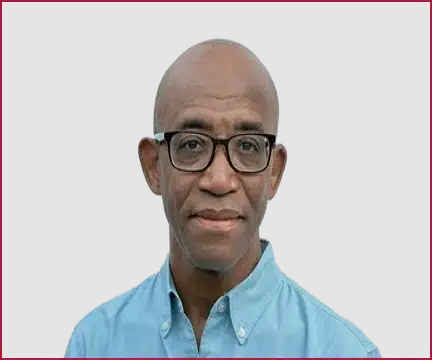
The sudden and tragic death of former Cambridge University professor Jason Arday has left those who loved him and the wider public grappling with a profound mix of grief and anger. On Monday evening, thousands of people gathered in Trafalgar Square for a protest vigil, reflecting the deep emotions surrounding the loss of a highly respected, successful Black academic who was widely known for his kindness, mentorship, and extensive work with access programmes.
In a deeply moving statement, Arday’s family remembered him as an "amazing father, partner, brother, uncle and son." However, they also shed light on the intense pressure he faced, stating he was "subjected to a campaign of sustained abuse for more than three years since he accepted the role of professor at Cambridge University by those who would leave no stone unturned in their quest to undermine him." The family explained that the relentless pressure proved overwhelming for Arday, who was neurodivergent. "The campaign of misinformation was too much for Jason, who was a gentle man and who always wanted to see the best in everyone," they shared, describing him as desolate toward the end of his life.
The public onslaught against Arday began with the actions of a self-defined "race realist" who openly advocates for Black people to "disappear from almost all high-profile positions outside of sports and entertainment." This nativist hostility was quickly taken up by the right-wing and far-right media during a quiet summer news cycle. For weeks, Arday’s face was displayed prominently on front pages and television screens across the country in what appeared to be a highly coordinated effort to target a prominent symbol of academic progress.
While the right-wing onslaught was driven by partisan and racist motives, it also uncovered legitimate concerns regarding Arday's academic career. Investigations revealed accusations of plagiarism that could not be satisfactorily dismissed, along with public claims made by the professor about his own life and achievements that could not be verified. For those who valued academic integrity and public accountability—even those who had celebrated Arday's rapid rise—these issues presented a genuine dilemma that could not be ignored.
This complex situation highlights the difficult position of Black and minority journalists working within a white-majority culture. While these journalists often share the joys, pains, and aspirations of their communities, and many take pride in highlighting minority experiences, they remain professional journalists rather than activists. While journalists and activists often collaborate to expose injustices, their roles are distinct; a journalist's core duty is to lay out the facts, even when those facts are unpalatable or complicate a preferred narrative.
Professional, responsible, and empathetic journalists who carefully investigated the claims surrounding Arday are now facing abuse and castigation amidst the wider public rage. Yet, their interrogation of the facts was a necessary duty, distinct from the hostile campaign run by political opportunists. Cambridge University chancellor Lord Chris Smith characterized the broader media onslaught as a "racist feeding frenzy," but those who conducted legitimate, professional inquiries were simply doing their jobs to ensure public interest standards were met.
In the coming weeks, serious questions will remain. Observers are calling for a public inquiry into the institutions involved in Arday's career, the validity of the claims made both for and against him, and the tone and scale of the media coverage. There will also be intense scrutiny over whether more should have been done to protect a vulnerable, neurodivergent scholar from such an intense barrage of headlines. As the community engages in soul-searching, those seeking answers must be allowed to do so, while those mourning Arday deserve the space to grieve his loss in peace.
There is a particular tension to being a black or minority journalist in a white-majority culture, whether here or in the US, Europe or Australia. As a minority citizen, one shares the joys and pains and achievements of others. Very many in their work focus on the particular concerns of minorities coping and maybe thriving on challenging terrain. They are not fated to do so, but these matters interest them and many see who they are and what they know, juxtaposed with the skills they have as journalists, as an ideal way to make a contribution to society.
In my reporting career, I have covered domestic politics, international politics, international conflict – the whole gamut of journalistic subjects – but I drew great pride from being the recipient of the first Commission for Racial Equality Race in the Media award in the national newspaper category. I worked as a community affairs correspondent for the BBC for the duration of Sir William Macpherson’s landmark inquiry into the murder of Stephen Lawrence, explaining the intricacies of that historic event to millions on radio and TV. It is not a motivation exclusive to black journalists, but the vast majority I have known and worked with tend to hope that their professionalism will somehow make a positive difference to and for their communities, and to wider society’s understanding of their communities.
Related Articles

Md. Kazi Bijoy is a dedicated tech enthusiast and content creator with a passion for digital innovation. With years of experience in the tech industry, he specializes in breaking down complex topics into easy-to-understand guides. When he isn’t writing, he explores the latest gadgets and researches emerging trends in the digital world.