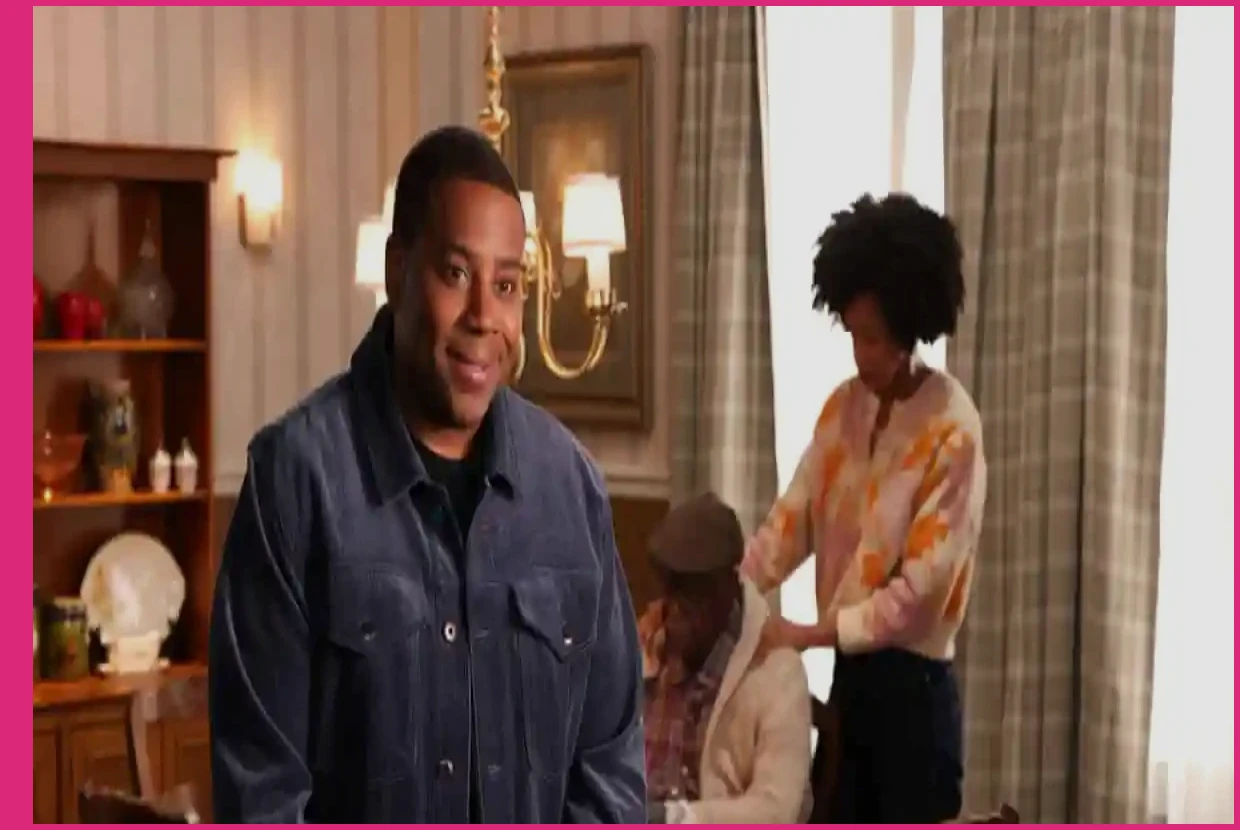
A viral comedy sketch on Saturday Night Live has touched a nerve across the United States by satirizing the heavy elder caregiving duties routinely expected of women. The parody commercial, titled "Sister," features comedian John Mulaney pitching a fictional product called "Sister"—described as a round-the-clock, live-in elder care provider who is entirely free and happens to be your sister. In the sketch, cast member Jane Wickline plays the sister administering medication to their father while Mulaney quips, "Now I don’t have to worry about dad getting the care and attention he needs because my sister will do it, and I can get back to my life, and the stuff I like to do."
The sharp satire quickly resonated across social media and caught the attention of prominent national figures, including philanthropist Melinda French Gates and US Senator Kirsten Gillibrand. Reflecting on the clip's rapid spread, French Gates noted in an Instagram post that she was unaware of any television sketch making its way into so many group chats so quickly. She added that she was glad people were laughing while having an honest conversation about what caring for loved ones truly entails and why the work disproportionately lands on women.
Senator Gillibrand pointed to the comedy bit to highlight the Supporting Our Direct Care Workforce and Family Caregivers Act, legislation she introduced in June 2026. The proposed bill aims to allocate federal funds to help states train and retain professional care workers as well as unpaid family caregivers. Writing on X, Gillibrand remarked that anyone who has lived through the scenario depicted in the sketch knows how rapidly life changes when an elderly parent requires care, urging Congress to unite behind her bill to provide families with necessary resources.
At present, the United States offers no direct federal assistance program for family caregivers. Federal Medicare coverage is largely restricted to short-term medical interventions, whereas Medicaid provides long-term care assistance only to individuals who fulfill strict medical and financial eligibility criteria. At the same time, joint research from AARP and the National Alliance for Caregiving demonstrates that more than 51 million Americans—nearly one in five adults—provide care for an adult aged 50 or older. Three out of every five of those caregivers are women.
For 45-year-old web developer Stacey Barnes, watching the episode live alongside her sleeping parents in Minnesota felt unnervingly accurate. Barnes moved in with her parents a year and a half ago after her mother received a Parkinson's disease diagnosis, stepping into the role of primary caretaker. Amazed by how precisely the sketch captured her daily life, she looked up the clip on YouTube the next day to share with friends, noting that she had rarely felt so seen by popular culture, comparing the rare sense of relatability to watching Daria years ago.
Shauna Sweeney, a 41-year-old caregiver who received dozens of messages about the clip, experienced a similar reaction. Sweeney took on caregiving duties in 2014 following her father's early-onset Alzheimer's diagnosis, an experience that later prompted her to establish tendercare, a free platform designed to help families coordinate care plans, prepare for emergencies, and connect with local support. Sweeney noted that while her friends recognized her long-standing work in the field, the core issue depicted in the sketch is something women in private family circles have quietly acknowledged for years.
Sweeney emphasized that family caretaking responsibilities are frequently assigned without formal discussion. She recalled that when her father was diagnosed, there was no conscious conversation about workload division; it was simply assumed that the responsible daughter would step up. She added that as life expectancies rise and the population ages, many people find themselves working as caregivers for years before even recognizing the title, sharing that she did not even know the definition of a caregiver during her first five years on the job.
The underlying gender dynamics behind elder care are backed by professional research and expert observations. A 2017 commentary on dementia care published in the Journal of American Medicine (JAMA) highlighted the issue by writing that the country's best long-term care insurance is a conscientious daughter. Dr. Sarah Oreck, a reproductive psychiatrist and founder of the virtual mental health platform Mavida Health, explained that girls face early social conditioning that rewards accommodating behavior, noting how childhood play involving baby dolls reinforces caretaking roles from an early age.
The Saturday Night Live sketch directly parodies this societal expectation through a scene where a fictional physician informs the audience that years of internalized sexism have conditioned Sister to view caregiving as her sole responsibility rather than a shared obligation. While the long-term policy impact of the viral moment remains uncertain, caregivers and health professionals agree that using humor to address systemic burdens performs a vital role. Sweeney observed that the tragic reality behind the comedy lies in the unavoidable personal fallout, warning that attempting to manage elder care without structural support carries severe financial and mental health consequences.
The sketch’s virality has landed it in the group chats and inboxes of “Brothers” and “Sisters” across the world, but its long-lasting impact is yet to be determined. Still, caregivers and experts alike agree that it’s doing what good comedy should do: spark conversations.
“Part of what makes [the sketch] funny is also that it’s so tragic,” said Sweeney. “As you see, it’s nearly impossible to do all of this [caregiving] without there being real fallout. Whether it’s to your mental health or financially, the consequences are real.”
Related Articles

Md. Kazi Bijoy is a dedicated tech enthusiast and content creator with a passion for digital innovation. With years of experience in the tech industry, he specializes in breaking down complex topics into easy-to-understand guides. When he isn’t writing, he explores the latest gadgets and researches emerging trends in the digital world.
1 thought on “SNL Caregiving Parody ‘Sister’ Resonates With Viewers and Leaders”