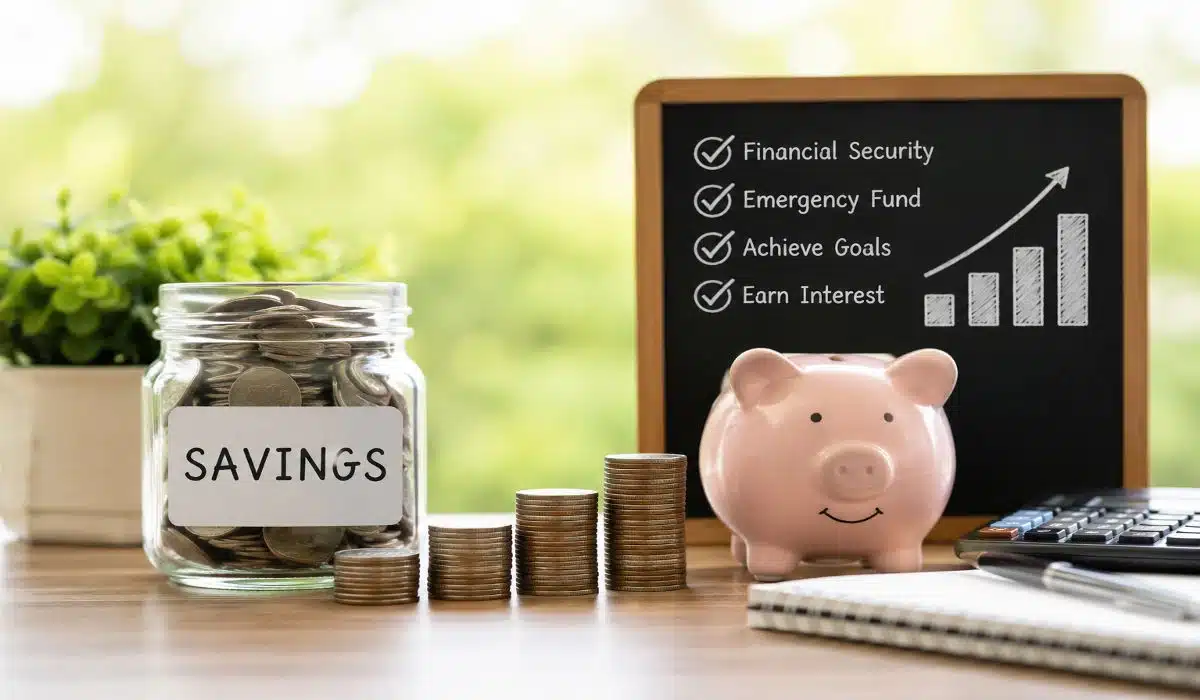
When building a personal financial plan, choosing where to store your cash is just as important as how you earn it. While checking accounts are designed for everyday transactions and spending, they rarely help your money grow. To truly understand what is the benefit of a savings account, one must look at how it acts as a balance between safety, convenience, and passive growth.
Guaranteed Safety and Government Protection
When evaluating your financial options, security should always be a top priority. A primary element of what is the benefit of a savings account is the unmatched security it provides compared to keeping cash at home or investing in volatile stock markets.
- Federal Insurance: In most developed banking systems, these accounts are backed by government-backed insurance corporations (such as the FDIC in the United States). This guarantees that even if the bank faces financial collapse, your money up to a certain limit (typically $250,000) is entirely safe.
- Protection Against Physical Loss: Keeping large amounts of physical cash at home exposes you to risks like theft, fire, or natural disasters. Depositing money into a bank mitigates these physical threats completely.
Earning Passive Income via Compound Interest
Many people view banks simply as holding vaults, but they are also tools for building wealth. A key factor in what is the benefit of a savings account is the ability to earn interest on your deposits.
- How Interest Works: The bank pays you a percentage of your balance as a fee for letting them hold your money. Over time, this interest compounds, meaning you earn interest on top of the interest you have already accumulated.
- High-Yield Savings Accounts (HYSAs): In 2026, digital banking has made High-Yield Savings Accounts incredibly popular. These accounts offer significantly higher interest rates than traditional brick-and-mortar institutions, allowing your emergency funds to outpace inflation more effectively.
Maintaining Liquidity and Quick Cash Access
Some investment options, like real estate or certificate of deposits (CDs), lock your money away for months or years. If you need urgent cash, breaking those agreements can result in hefty penalties.
- The Liquidity Factor: When considering what is the benefit of a savings account, liquidity stands out as a major advantage. You can withdraw your funds via ATMs, online transfers, or mobile banking apps whenever an unexpected expense arises.
- Convenient Flexibility: While banks may limit the number of certain automated withdrawals per month to encourage saving, you still retain much faster access to your money than you would with stocks or retirement accounts.
Building a Reliable Emergency Fund
Financial experts universally recommend having three to six months’ worth of living expenses set aside. If you are wondering what is the benefit of a savings account for daily life, look no further than emergency preparedness.
- Separation of Funds: Keeping your emergency cash in the same account you use for buying groceries makes it far too easy to overspend. A dedicated savings vehicle creates a psychological and digital boundary, ensuring that money is reserved strictly for true crises like medical bills or sudden job loss.
Savings Accounts vs. Checking and Stocks
When choosing where to place your money, understanding how a savings account compares to other everyday financial options is crucial for your strategy.
Risk Level and Security: When considering what is the benefit of a savings account, the absolute lack of volatility stands out. Both savings accounts and checking accounts carry an extremely low risk level because they are protected by government-backed insurance up to legal limits. In sharp contrast, investing your money in the stock market introduces high volatility, meaning you can lose your principal investment with absolutely no regulatory guarantees.
Interest and Passive Growth: While checking accounts are built for daily transactions, they offer little to none or absolutely zero interest on your balance. A savings account provides a clear advantage here by offering low to moderate interest rates—which jump significantly higher if you choose a digital High-Yield Savings Account (HYSA)—allowing your money to grow passively over time. The stock market offers potentially higher returns than both banking options, but it requires accepting the market risks mentioned above.
Liquidity and Accessibility: Checking accounts provide the highest level of liquidity, making them perfect for daily debit card use, bills, and immediate spending. A savings account strikes a deliberate balance; it offers moderate liquidity, meaning you can still access your funds rapidly during an emergency, though withdrawals are subject to certain bank policies to encourage you to keep saving. The stock market generally offers lower or delayed liquidity, as you must sell your shares and wait for the funds to clear before accessing the cash.
Read More: Morning Routine For Kids
Automating Your Financial Goals
Achieving long-term financial milestones—like buying a car, funding a wedding, or planning a vacation—requires discipline. A massive operational advantage when analyzing what is the benefit of a savings account is the ability to automate your progress.
- Set-and-Forget Transfers: Most modern banking platforms allow you to schedule automatic transfers from your checking account to your savings account on payday. By automating this process, you save money before you even have a chance to spend it.
- Goal-Based Buckets: Many online banks now allow you to create distinct sub-accounts or “savings buckets” within a single account. This allows you to visually track exactly how close you are to reaching specific financial milestones.
Improving Your Relationship with Modern Lenders
Establishing a healthy, growing balance at a financial institution can open doors to other financial services. If you want to know what is the benefit of a savings account from a credit perspective, look at institutional trust.
- Internal Risk Assessment: When you apply for a car loan, personal loan, or mortgage, banks evaluate your financial health. Having a long-standing history of consistent savings with that institution demonstrates financial stability, which can sometimes help you secure better loan terms or lower interest rates.
Minimal Barriers to Entry
Unlike complex investment portfolios that require stock brokers, margin accounts, or high initial capital, saving through a bank is accessible to almost everyone.
- Low Initial Deposits: Many digital institutions allow you to open an account with as little as $1.
- User-Friendly Management: Managing your balance requires no deep knowledge of market trends, economic shifts, or corporate stock performance, making it the perfect starting point for financial beginners.
FAQ
Q1: What is the benefit of a savings account over a checking account?
Ans: A checking account is meant for daily spending and offers little to no interest. A savings account keeps your money secure, out of daily spending temptation, and pays you interest over time.
Q2: Can I lose money in a registered savings account?
Ans: No, as long as the bank is government-insured (like FDIC or equivalent) and your balance is within the legal limits, your principal deposit is entirely protected against bank failures.
Q3: Is there a limit to how many times I can withdraw money?
Ans: Historically, regulations limited certain convenient withdrawals to six per month. While many banks have relaxed these rules recently, it is best to check your specific bank’s policy to avoid potential fees.
Conclusion
Understanding what is the benefit of a savings account allows you to make informed decisions about your financial future. While it may not offer the explosive returns of the stock market, its combination of government-backed security, steady interest accumulation, and immediate liquidity makes it an irreplaceable tool for every individual. By automating your deposits and separating your spending cash from your long-term goals, you establish a peaceful, secure foundation for financial freedom.

Mr. Udoy is a professional Web Developer and Blogger with 7+ years of experience in the tech world. He specializes in web architecture and digital storytelling. As the driving force behind worldincidents.com, he focuses on delivering high-quality, well-researched content to a global audience.