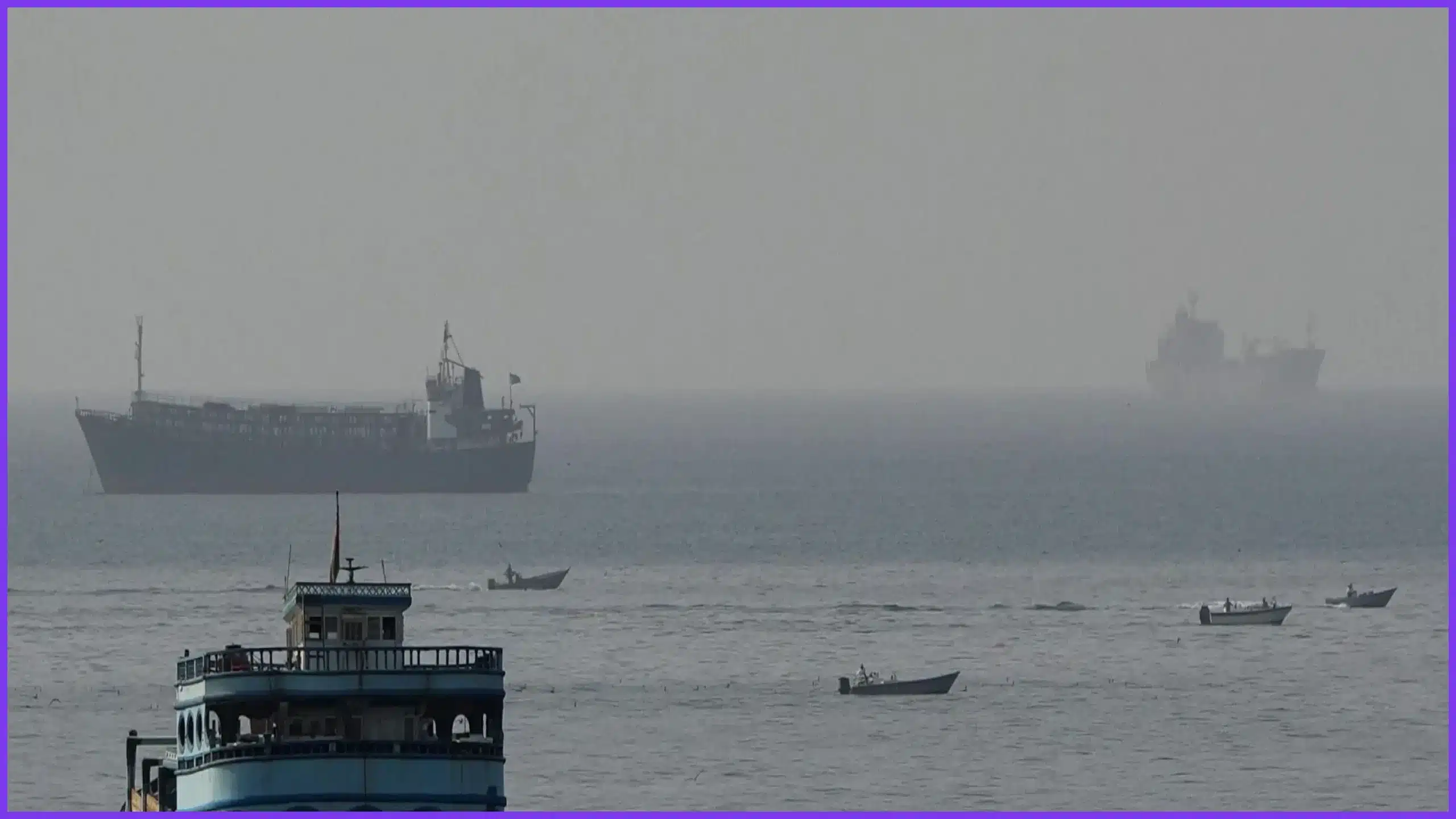
Iran and Oman have finalized the geographical coordinates for a new shipping route through the Strait of Hormuz, marking a potential breakthrough in the blockade that has choked off one-fifth of the world's oil and liquefied natural gas.
Iranian Foreign Ministry spokesman Esmaeil Baqaei announced that the deal is in its "final stages," though the ministry did not disclose specific details regarding the proposed route. This development comes as global energy markets continue to experience wild fluctuations following Tehran's blockade of the vital waterway, which was initiated after the United States and Israel launched massive attacks on Iran in February.
Providing further details, Iran's Deputy Foreign Minister Kazem Gharibabadi told the official Irna news agency that the newly agreed shipping route will only be temporary, potentially remaining open for a period of two to four months. However, the path to a full reopening remains fraught with tension. While senior U.S. officials recently suggested that negotiations had advanced enough to allow maritime shipments to resume as early as this week, Tehran has firmly rejected direct diplomacy. Iran maintains that it is not negotiating with the United States and has no intention of doing so in the future.
The announcement follows a stark warning from U.S. President Donald Trump on Tuesday, who declared that Iran would be "hit very hard" if the strategic strait is not opened "very soon." Reopening the waterway has been a central focus for international mediators and direct discussions. Despite the progress with Oman, Baqaei criticized Washington, stating, "The factors making the Strait of Hormuz insecure still exist on the part of the United States, particularly the naval blockade and other aggressive and threatening actions against Iran and its interests."
Since the outbreak of hostilities, maritime traffic through the Strait of Hormuz has plummeted. Tehran has mandated that all vessels obtain prior clearance before transiting the strait, launching attacks on ships that have disregarded the directive. A major sticking point in broader negotiations remains Iran's proposal to levy transit fees on passing cargo. According to a senior Iranian official cited by Reuters, Tehran is seeking fees between 5% and 7% of the cargo's value. Oman has proposed a lower fee of approximately 3%, while the United States insists that transit should be completely free of charge. The White House has been contacted for comment regarding these developments.
The current crisis traces back to February 28, when the U.S. and Israel executed wide-ranging airstrikes on Iran. Tehran retaliated by targeting Israel and U.S.-allied Gulf states, effectively closing the strait. While both nations signed a Memorandum of Understanding (MoU) in June aiming to halt the conflict, reopen the waterway, and secure a peace deal within 60 days, hostilities have persisted. Currently, the U.S. maintains a naval blockade of Iranian ports, while Yemen's Iran-backed Houthi rebels have enforced a counter-blockade on Saudi Arabian Red Sea ports since July 20.
The conflict has also triggered significant internal political shifts within Iran. The initial February strikes killed Iran's then-Supreme Leader, Ayatollah Ali Khamenei. He was succeeded by his son, Ayatollah Mojtaba Khamenei, who was wounded in the same strikes and has not made a public appearance since. On Wednesday, Iranian President Masoud Pezeshkian acknowledged that communicating with the new Supreme Leader is "difficult at the moment" but emphasized that "his presence is a very great source of strength for us so that we can continue."
Mojtaba Khamenei's absence from his father's funeral ceremonies last month and his reliance on written statements have fueled intense speculation regarding his relationship with other high-ranking officials. Pezeshkian sought to dispel these rumors, asserting that he has held productive meetings with the leader characterized by "kindness and very sound logic." The president lamented that "the current situation allows some malicious people to describe him differently and to present a different image of him."
Related Articles

Mr. Udoy is a professional Web Developer and Blogger with 7+ years of experience in the tech world. He specializes in web architecture and digital storytelling. As the driving force behind worldincidents.com, he focuses on delivering high-quality, well-researched content to a global audience.