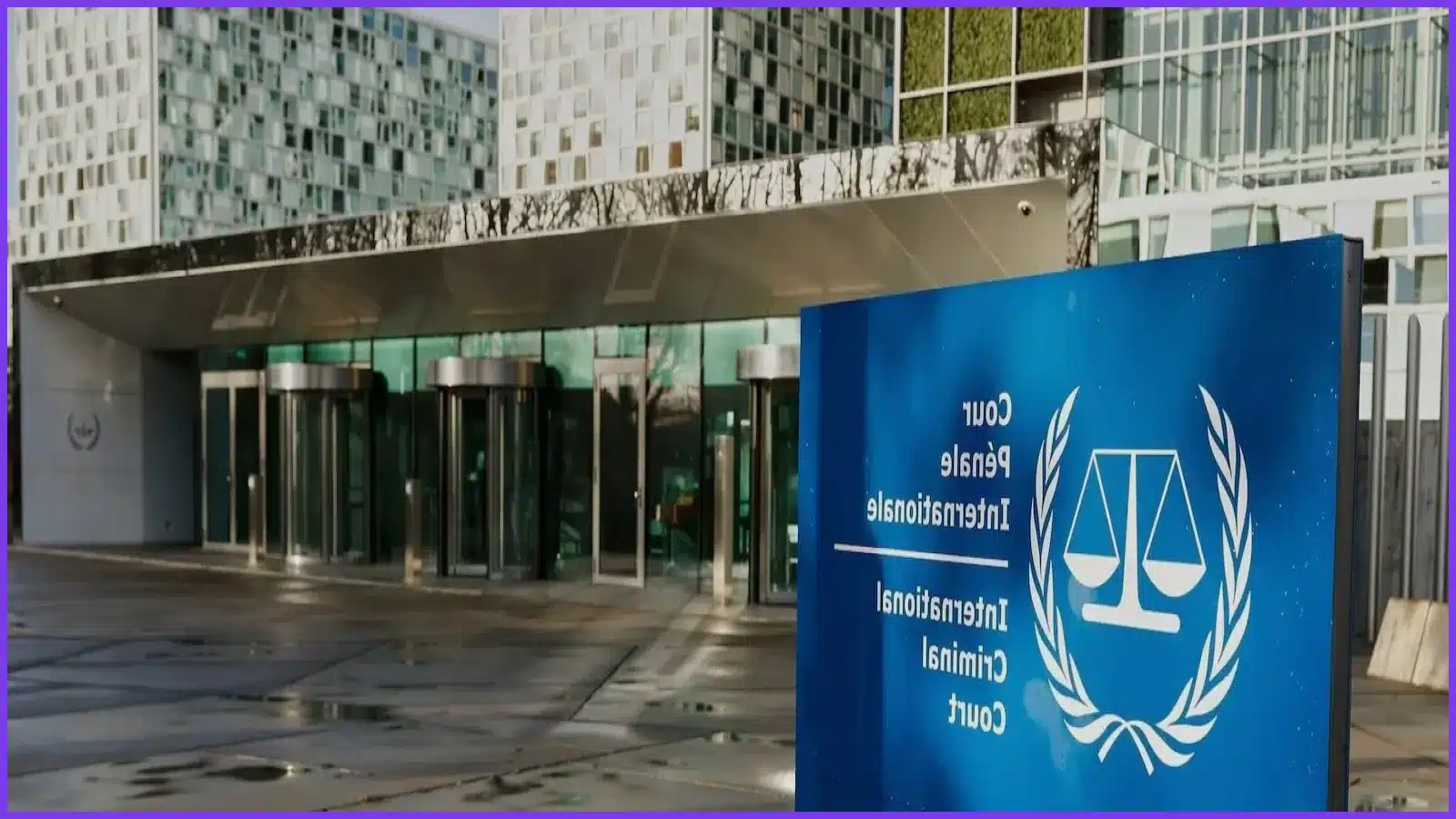
The International Criminal Court has strongly condemned the latest round of U.S. sanctions targeting its top leadership, characterizing the measures as a "flagrant attack" on the tribunal's judicial independence.
On Tuesday, the U.S. State Department announced sanctions against ICC President Tomoko Akane, a Japanese national, and senior trial lawyer Abdoulaye Seye of Senegal. The penalties freeze any assets the officials hold within U.S. jurisdictions and block them from engaging with the American financial system. With these new measures, the Trump administration has now sanctioned nine of the court's 18 judges, both of its deputy prosecutors, its former chief prosecutor, and another staff member in the prosecution office.
The United States has defended its actions by accusing the Hague-based court of overstepping its boundaries. Washington argues that the ICC is improperly targeting military and political figures from countries that are not members of the court, specifically naming Israel and the United States. In response, the ICC warned that the sanctions undermine global stability, stating that when "judicial actors are threatened for applying the law, it is the international legal order itself that is placed at risk." The court affirmed it would continue to carry out its work with independence and impartiality.
U.S. Secretary of State Marco Rubio launched a sharp rebuke of the institution on Tuesday, calling the ICC "a corrupt and fatally politicized supranational court that has maliciously abused its authority and exceeded its mandate." This escalation follows Rubio's announcement weeks ago of a broad campaign to counter what he described as a threat to American sovereignty. Rubio has pledged to pressure the ICC's 125 member states to withdraw from the treaty, implement travel bans on court staff, and penalize organizations that cooperate with the tribunal. Already, Venezuela and Chad have declared intentions to exit, contributing to a total of five nations seeking withdrawal over the past year, a process that takes one year to formalize.
The practical consequences of these sanctions severely disrupt the daily lives of affected individuals and their families, who are barred from entering the U.S. and cut off from basic financial networks. Canadian judge Kimberly Prost, who faced sanctions last year, shared that she lost access to her credit cards and even her smart-home devices. "Your whole world is restricted," Prost remarked, describing how difficult simple tasks like grocery shopping become under the restrictions.
The sanctions have also drawn criticism from international allies. Japan's Foreign Ministry press secretary, Toshihiro Kitamura, expressed regret over the targeting of Akane, calling the U.S. measures "very unfortunate" in a statement on Wednesday. Meanwhile, legal opposition is mounting within the United States. Last week, Human Rights Watch and three other advocacy groups filed a lawsuit in the Southern District of New York to challenge the Trump administration's pressure campaign. The lawsuit argues that the executive order targeting the ICC, along with sanctions on a U.N. human rights expert and three Palestinian rights groups, represents an illegal assault on international justice.
Related Articles

Mr. Udoy is a professional Web Developer and Blogger with 7+ years of experience in the tech world. He specializes in web architecture and digital storytelling. As the driving force behind worldincidents.com, he focuses on delivering high-quality, well-researched content to a global audience.