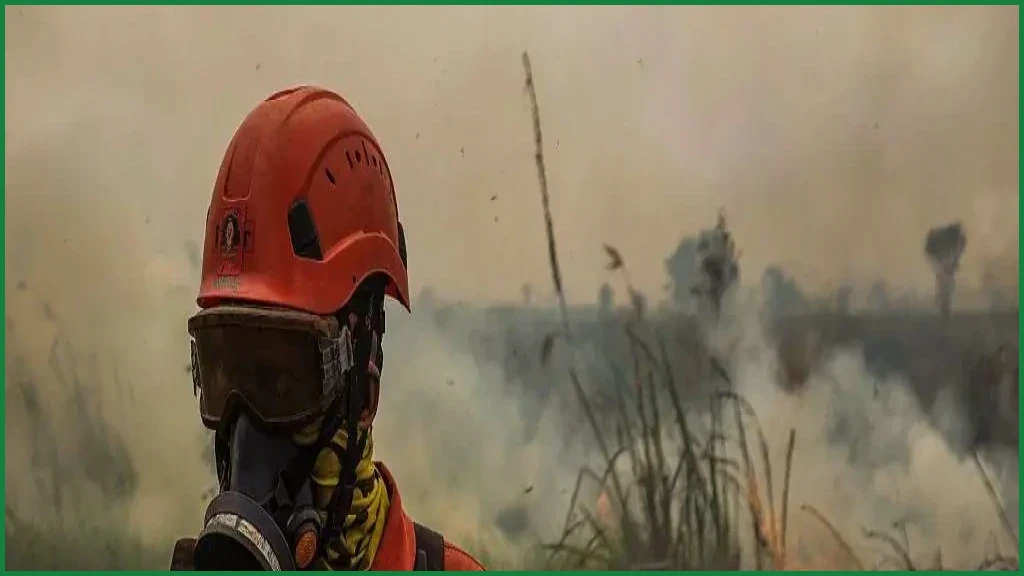
A thick, toxic haze is blanketing large areas of Indonesia and drifting across international borders into Malaysia, Singapore, and the Philippines as persistent wildfires continue to burn. The regional crisis, which has been ongoing since mid-July, has exposed millions of people to hazardous air quality. In some locations, pollution levels have been recorded at more than 15 times the limits recommended by the World Health Organization.
The intensity of the fires is largely attributed to a "super" El Niño event, which has exacerbated drought conditions across the region. The fires are primarily concentrated in Sumatra and Indonesian Borneo, regions that are home to critical peatland ecosystems. While these peatlands usually function as massive carbon reservoirs, they are currently acting as carbon "bombs" due to the extreme heat and dry conditions.
Public health impacts have been significant, particularly in Indonesia, where the Health Ministry recorded over 50,000 cases of respiratory infections between July and August. Among these, more than 12,000 cases involved children under the age of five. In Banjarbaru, South Kalimantan, 19-year-old teaching assistant Rizma Nur Fatimah described the smoke as so dense it obscured visibility inside classrooms, noting that the annual recurrence of the haze has become a grim reality for residents. Similar health issues, including coughs, sore throats, and runny noses, were reported by parents like Misbah, whose three-year-old daughter became ill.
The impact of the smog extends far beyond Indonesia. On the Philippine island of Palawan, located 1,300 kilometres from the fires, residents are reporting itchy eyes, noses, and throats, alongside mild headaches. Dr. Precious Bañas-Melad noted that even individuals without prior histories of allergies are experiencing symptoms. Meanwhile, Malaysia has documented an increase in asthma and conjunctivitis cases as the smoke crosses its borders.
Environmental experts point to decades of land-use changes, originating in the Suharto era, as the root cause of the current vulnerability. Large swathes of rainforest and peatland were historically cleared for logging and industrial plantations. Today, researchers and environmental groups allege that companies continue to utilize fire as an inexpensive method for clearing land for oil palm plantations and timber estates. Because these fires often occur in drained peatlands, they are notoriously difficult to control compared to traditional, small-scale community farming practices. As the smoke continues to spread, the regional crisis remains a focal point for concerns regarding both public health and long-term environmental degradation.
"Even inside the house, with everything closed, the haze still got in," she said. "We've been living with this since I was born. It's the same every year, so we've almost become resigned to it. But this year is worse."
Misbah, a 23-year-old mother from nearby Pengayuan village, said her three-year-old daughter had developed "a cough, a sore throat and a runny nose" during the haze.
Related Articles

Md. Kazi Bijoy is a dedicated tech enthusiast and content creator with a passion for digital innovation. With years of experience in the tech industry, he specializes in breaking down complex topics into easy-to-understand guides. When he isn’t writing, he explores the latest gadgets and researches emerging trends in the digital world.