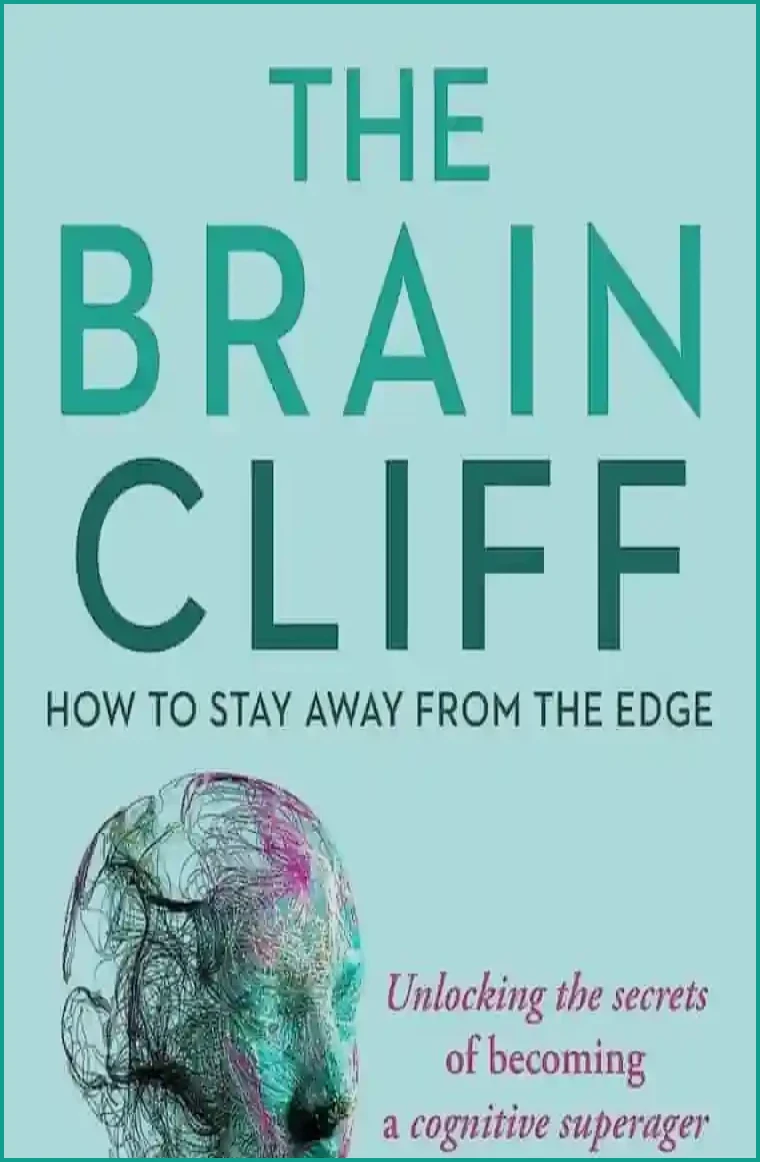
In his new book, The Brain Cliff, Dr. Norman Swan examines the science of brain ageing and provides evidence-based strategies to help individuals stave off cognitive decline. Rather than approaching ageing with fear, Swan argues that re-evaluating how we perceive cognitive change can fundamentally alter how we think and remember. He identifies three essential concepts for understanding the ageing brain.
First, Swan emphasizes moving away from the idea of "cognitive decline" toward "cognitive change." He notes that comparing current cognitive function to one’s 20s is an invalid benchmark that incorrectly suggests a deficit. While fluid intelligence—associated with speed and problem-solving—peaks in early adulthood, it is less critical for most people than "crystallised intelligence," which involves the wisdom of experience and can improve with age.
Second, the brain employs a process known as "scaffolding." As we age, the brain builds complex nerve networks that act as infrastructure to protect and enhance cognitive abilities. This scaffolding, which moves into the prefrontal cortex, is vital for decision-making, judgment, and emotional control. Swan’s third core idea is to actively encourage this scaffolding while avoiding factors that impede it. Through interviews with seven "cognitive super-agers," including a 95-year-old shoemaker and a 94-year-old McDonald’s employee in Kyushu, Japan, Swan found that these individuals share a common trait: they manage stress effectively, prioritize problem-solving, and avoid rumination, which can damage the prefrontal cortex.
Swan advises that the optimal time to begin these adaptations is during one's 40s and 50s, though it is never too late to start. Key recommendations include regular exercise to enhance brain plasticity and an anti-inflammatory diet rich in leafy greens, fermented foods like yoghurt, berries, and low amounts of red meat. Additionally, he highlights the importance of the "default mode network," which activates when the mind wanders. Engaging in "mental time travel"—reflecting on the past while remaining anchored in the present and imagining the future—is thought to support the brain's scaffolding.
Research indicates that genes play a limited role in the progression toward the "brain cliff," meaning environmental factors and lifestyle choices are paramount. Swan highlights the example of a 100-year-old neuropsychiatrist from New Jersey who maintained his cognitive health by learning a new skill, pencil drawing, and fostering social connections. Following his research, Swan has personally adopted these habits, including reducing alcohol intake, monitoring coronary risk factors, and maintaining a commitment to regular exercise.
Finally, Swan offers a warning regarding retirement. He argues that retirement can be detrimental to the brain if it results in inactivity. Instead, he advocates for continued engagement through work, volunteering, or learning complex new skills. He notes that if one moves from a career to other meaningful pursuits, they are effectively "still at work," whereas retiring to a sedentary lifestyle of watching television is counterproductive to brain health.
Related Articles

Md. Kazi Bijoy is a dedicated tech enthusiast and content creator with a passion for digital innovation. With years of experience in the tech industry, he specializes in breaking down complex topics into easy-to-understand guides. When he isn’t writing, he explores the latest gadgets and researches emerging trends in the digital world.
1 thought on “Dr. Norman Swan Shares Strategies to Prevent Cognitive Decline”