Michigan health authorities have confirmed the first two deaths in the United States linked to an ongoing nationwide outbreak of cyclosporiasis. The intestinal illness has already sickened thousands of people across the country and led to a major recall of iceberg lettuce distributed across multiple states. According to the Michigan Department of Health and Human Services (MDHHS), the state alone had recorded 11,234 cases as of July 30, a total that includes 193 hospitalisations.
The two individuals who died in Michigan both suffered from significant underlying health conditions, which officials say may have been worsened by the parasitic infection and subsequent dehydration. While health officials have not released further details about the victims, they emphasized that deaths from cyclosporiasis remain highly uncommon despite the massive volume of infections reported this season. The U.S. Centers for Disease Control and Prevention (CDC) notes that while the illness is typically not life-threatening, severe dehydration caused by prolonged diarrhoea poses a serious risk, especially to medically vulnerable patients.
Cyclosporiasis is caused by Cyclospora cayetanensis, a microscopic parasite that people contract by consuming contaminated food or water. According to federal health guidelines, symptoms generally manifest about one week after exposure, though the onset can range from two days to more than two weeks. Those infected often experience watery diarrhoea, fatigue, loss of appetite, weight loss, stomach cramps, bloating, nausea, and increased gas. If left untreated, these symptoms can persist for several weeks or even longer. Because routine stool tests do not always automatically screen for the Cyclospora parasite, the CDC advises individuals experiencing these symptoms to seek medical care and specifically request targeted testing while focusing heavily on hydration.
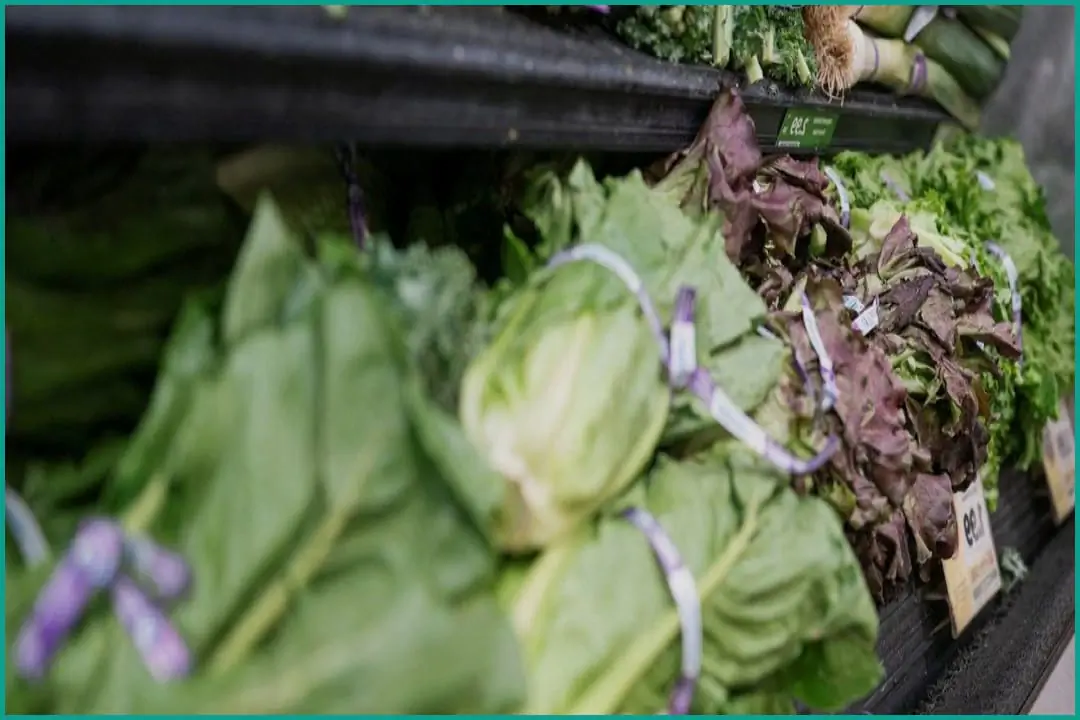
A major focus of the federal response is a multistate outbreak linked to contaminated iceberg lettuce. On July 17, Taylor Farms de Mexico initiated a recall of all iceberg lettuce sourced from central Mexico, a measure that also covers Marketside-brand products sold at Walmart retail locations. The recalled lettuce reached consumers, restaurants, and retailers in at least 27 states. The CDC, the U.S. Food and Drug Administration (FDA), and state health agencies are actively investigating this specific outbreak, which has so far been linked to nine states. Consumers are urged not to eat any of the recalled lettuce, to discard or return it, and to wash any contact surfaces or containers thoroughly with hot, soapy water or a dishwasher.
In Michigan, investigators initially identified lettuce or salad greens as a likely source of the local outbreak, but they have not ruled out other food items. State health officials also noted that their investigation has not yet pointed to a specific grower or supplier. Meanwhile, the CDC is simultaneously tracking several other domestic cyclosporiasis outbreaks that appear to be completely unrelated to the recalled iceberg lettuce.
The differing case numbers reported by various agencies reflect distinct areas of investigation rather than contradictory data. While Michigan has documented more than 11,000 localized cases, the CDC has identified more than 18,000 confirmed or suspected cases nationwide this season, with many still undergoing laboratory verification. In contrast, the specific federal investigation into the recalled iceberg lettuce has officially logged 1,947 laboratory-confirmed cases across nine states, resulting in 98 hospitalisations. Federal officials explained that national surveillance figures often lag behind state-level reporting because the CDC only includes cases that are fully laboratory-confirmed and meet strict national reporting criteria.
Most individuals infected with the parasite make a full recovery, particularly when they receive appropriate medical treatment. However, infectious disease specialists reiterate that the danger escalates significantly for older adults, immunocompromised individuals, and anyone with pre-existing health issues who experiences severe dehydration. As public health agencies work to trace additional sources of contamination and monitor new infections, they urge the public to practice strict hand hygiene, wash all fresh produce thoroughly, and avoid the recalled lettuce. Furthermore, officials are urging anyone contacted by local health departments to participate in dietary interviews, as this information is vital for tracing contaminated food products and preventing further spread of the illness.
Related Articles

Md. Kazi Bijoy is a dedicated tech enthusiast and content creator with a passion for digital innovation. With years of experience in the tech industry, he specializes in breaking down complex topics into easy-to-understand guides. When he isn’t writing, he explores the latest gadgets and researches emerging trends in the digital world.