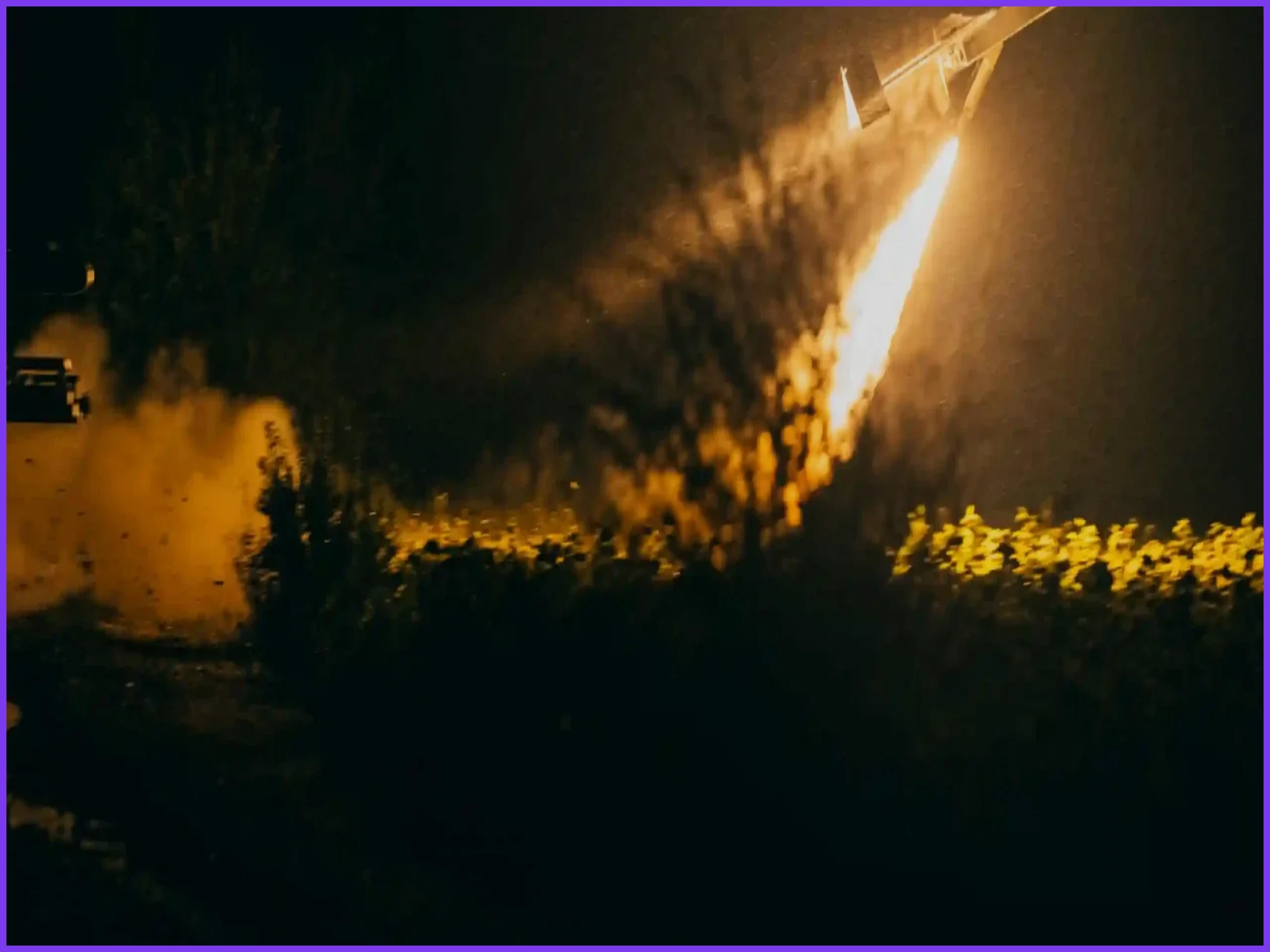
The conflict between Ukraine and Russia, which initially centered on tanks and artillery, has pivoted toward a high-stakes race for supremacy in the skies using a new generation of drones. These unmanned aerial vehicles are now targeting military, industrial, economic, and civilian infrastructure hundreds of miles beyond the frontline. In the dead of night, Ukrainian crews from the 413 Raid drone regiment prepare their FP-2 craft—miniature monoplanes with a 6-metre wingspan and over 100kg of explosives—for missions into occupied Luhansk, more than 200 miles away. The launch, characterized by a painful jet-like sound from the booster, is a nightly occurrence for dozens of crews.
Skipper, a former corporate IT worker and commander of the 413 Raid regiment, notes that the unit has been operating these Ukrainian-designed and -built drones since last autumn. While they started with a single crew capable of two missions a week, they can now perform ten times that volume. Despite the distance, Skipper emphasizes the danger, noting that the crews themselves are targets. The FP-2, first publicly acknowledged last September, is designed to strike hardened targets and disrupt Russian logistics. This mid-strike capability has contributed to slowing the Russian advance; Russia gained 90 square kilometres of territory in August 2026, compared with 505 sq km a year prior, while western officials estimate Russia is losing 6,000 more soldiers monthly than it can recruit.
In the eastern Donetsk front, Unit 17 of the Special Operations Centre utilizes the $25,000 Sych drone for bombing runs. Znakhar, a software coder, and his colleagues, including former 3D artist Ananas, now work from underground bases to avoid detection. They use a common system fed by western satellites and reconnaissance drones to identify targets like artillery and jamming systems. Ananas, who leverages his experience with video game controllers to pilot the drones, notes that the environment has become more crowded with Russian drones, forcing them to constantly adjust flight paths to avoid population centers and interceptors.
Russia has simultaneously transformed its arsenal. While it has long utilized ballistic and cruise missiles, it has also imported Iranian Shahed drones and developed its own variants. Since May, Moscow has introduced a jet-powered revolution in its drone fleet. Serhii Beskrestnov, a defense technology adviser to Volodymyr Zelenskyy, notes that the original Iranian delta-wing Shahed—known in Russia as the Geran-2—has been redesigned with jet engines. The new Geran-4 and the faster Geran-5, which reaches speeds of nearly 600km/h, are significantly more difficult to intercept. Consequently, Ukrainian interception rates have dropped from over 90% against older models to 60% against these newer, faster drones, which utilize Chinese-made Telefly engines.
The impact of these strikes is profound. A rare morning attack on 23 September in Kyiv killed two people and injured 41, hitting a market and business center. In August, a Geran-4 strike on an ammunition dump in Myla killed 38 people. Meanwhile, Ukraine’s long-range FP-1 drones have targeted refineries and warehouses deep inside Russia, contributing to a 7.7% decline in Russian crude oil production and keeping interest rates at 14%, according to the International Energy Agency. Sidharth Kaushal of the Royal United Services Institute observes that both sides are increasingly adept at translating deep strikes into economic effects.
Civilian casualties are rising, with UN figures showing 2,222 people killed in Ukraine during the first eight months of 2026, exceeding the total for 2025. Warehouses belonging to Ukrainian postal services and e-commerce groups have been hit at least 32 times, while Russian warehouses like Wildberries and Ozon have been bombed 17 times. As Ukraine faces economic pressure and the need to find £40bn for its war budget next year, both nations continue to escalate their technological efforts, with Russia potentially planning to manufacture 36,000 jet-powered Shaheds in 2027. Despite the intensity, neither side appears close to defeat, as they prepare for the coming winter.
Related Articles

Mr. Udoy is a professional Web Developer and Blogger with 7+ years of experience in the tech world. He specializes in web architecture and digital storytelling. As the driving force behind worldincidents.com, he focuses on delivering high-quality, well-researched content to a global audience.