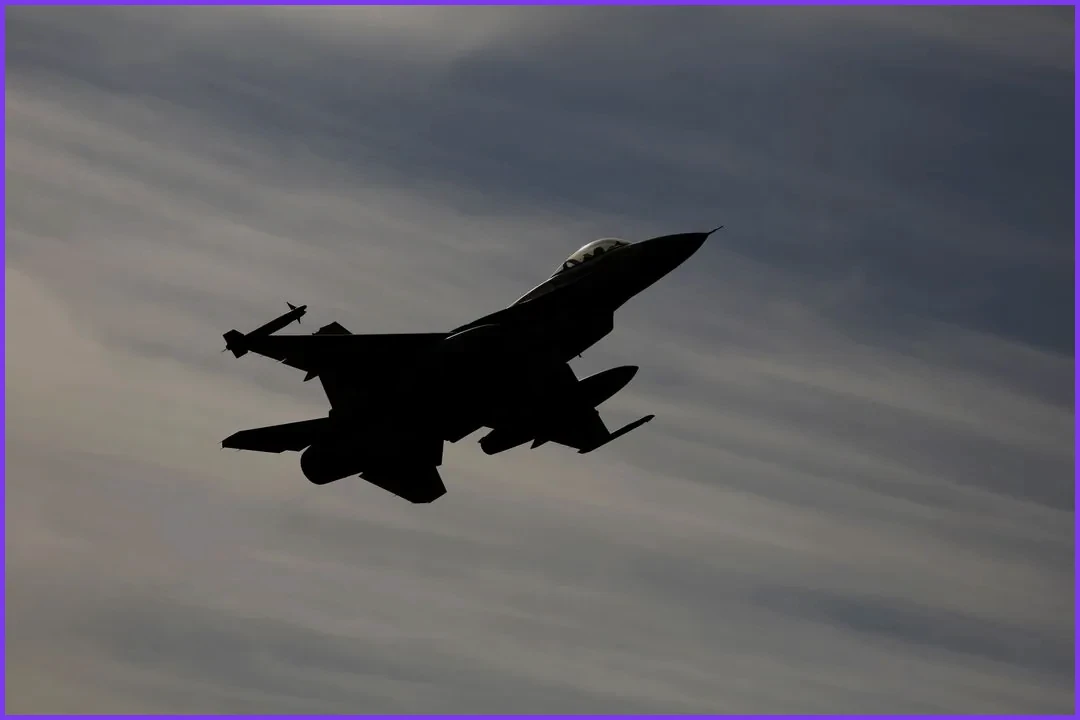
The United States and Israeli militaries have prepared detailed operational plans for potential renewed air strikes against Iran following the upcoming American midterm elections, with both armed forces gearing up for a possible brief but intense offensive. Citing American officials and individuals briefed on high-level talks, the strategy includes intensified joint military exercises, featuring flights through Iraqi airspace to rehearse strike manoeuvres.
Potential operational targets under consideration span Iranian energy infrastructure, nuclear installations, and missile and drone depositories. Proponents among officials argue that another substantial wave of strikes could push Iran's economy over the brink, forcing Tehran into diplomatic concessions after nearly eight months of military conflict. The planning coincides with an unannounced trip to Israel by US Defence Secretary Pete Hegseth, who met with Israeli Prime Minister Benjamin Netanyahu.
Among the specific nuclear targets being evaluated is Pickaxe Mountain, a deeply subterranean facility known locally as Kooh Kolang. Last week, US President Donald Trump noted that he was contemplating the use of a 9,979-kilogramme GBU-43/B Massive Ordnance Air Blast (MOAB) bomb against the site. However, weapons specialists warned that the MOAB detonates above ground and lacks the ability to penetrate heavy granite fortifications. Additionally, military officials cautioned that the slow-moving MC-130 transport aircraft needed to drop the munition would be exceptionally vulnerable to Iranian air defence systems.
Despite the advanced preparations, it remains uncertain whether Trump will ultimately authorise new military action, having repeatedly vetoed proposals to restart major combat operations this year. Earlier this month, both militaries were fully prepared to conduct strikes before Trump aborted the mission at the last minute, causing what one commander described as "day-to-day whiplash" among operational planners. Officials indicated that any prospective campaign is unlikely to commence prior to the November midterm elections, matching Trump's commitment not to launch attacks while negotiations persist.
Furthermore, the complete deployment of American military forces—including three aircraft carriers, thousands of Marines, fighter squadrons, and Special Operations units—is not expected to be fully assembled until early November. That timeframe aligns with longer night-time hours over Iran, offering maximum tactical cover. Meanwhile, diplomatic channels remain open, with American negotiators utilizing the threat of renewed military action to seek Iranian concessions on its nuclear program and maritime transport through the Strait of Hormuz. Some military planners contend that a sustained air campaign could alter Tehran's posture, even though previous aerial bombardments conducted between February and April depleted missile interceptor inventories, drove global inflation higher, and failed to extract concessions.
Political conditions within Israel could also shape the timeline ahead of the country's October 27 election. Should Netanyahu lose, he would be relegated to a caretaker prime minister operating under tight constraints; however, analysts note he might leverage the threat of imminent war to compel political opponents into an emergency unity government. Heightening regional tension, the US State Department ordered non-emergency staff and family members to evacuate Saudi Arabia on Wednesday amid persistent attacks by Iran-backed Houthi forces. A White House official declined to comment on military plans "that may or may not exist," reiterating that Trump retains all options to prevent Tehran from acquiring nuclear weapons.
In response, Iranian officials operating under Supreme Leader Mojtaba Khamenei cautioned that any military confrontation would be neither short nor localized. Tehran pledged to retaliate by launching attacks against regional data centres, undersea internet cables, and Saudi Arabian oil refineries—including Saudi Aramco facilities—in an attempt to cause a surge in global energy prices. Mahdi Mohammadi, a senior adviser to Iranian negotiator General Mohammad Bagher Ghalibaf, stated that Iran's retaliatory strikes would prove "more fierce, creative and different."
Related Articles

Mr. Udoy is a professional Web Developer and Blogger with 7+ years of experience in the tech world. He specializes in web architecture and digital storytelling. As the driving force behind worldincidents.com, he focuses on delivering high-quality, well-researched content to a global audience.