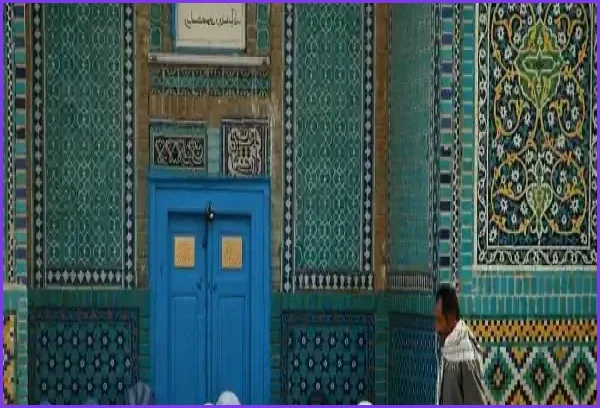
Five years after the withdrawal of U.S. and NATO forces and the subsequent collapse of the Afghan Republic, a stark contrast has emerged between how Afghanistan is portrayed online and the daily reality for its female residents. On platforms like TikTok and Instagram, foreign travel influencers—including women—are showcasing bustling Kabul markets and pristine mountain valleys, urging audiences to discard negative media portrayals. For the Taliban authorities, these foreign visitors serve as a valuable public relations asset to project an image of a safe, stable, and open country.
However, the lived experience of Afghan women tells a vastly different story of systematic erasure. Since September 2021, girls have been barred from attending school beyond the sixth grade. The restrictions intensified in December 2022, when the Taliban implemented an indefinite ban on women attending both public and private universities, just months after thousands of women had sat for entrance exams. Additionally, women have been systematically excluded from most professional careers, including positions in government offices and non-governmental organizations.
The constraints on personal freedom reached a new level in August 2024 with the formal enactment of a sweeping 114-page "Propagation of Virtue and Prevention of Vice" law. This legislation mandates that women completely cover their faces in public and strictly forbids their voices from being heard outside the home, including singing, reciting, or reading aloud.
Beyond these social restrictions, the country faces a severe humanitarian crisis. According to United Nations reports, three out of four Afghans—approximately 28 million people—are unable to meet their basic daily needs. Furthermore, over 64 percent of the population lives in multidimensional poverty, leaving them systematically deprived of clean water, adequate food, basic medicine, and housing.
To capture the realities on the ground, local women have shared their testimonies, speaking out despite the immense risk of retaliation. Working secretly with local journalists, including reporters from Rukhshana Media who operate covertly within the country, many have chosen to hide their faces and alter their names to share how they are experiencing their own erasure from the country's narrative.
“Don’t believe what the media tells you about Afghanistan.”
You have reached the limit of 2 free articles this month.
Related Articles
Meet Md. Rubel Rana
As a core contributor to Worlddincidents.com, Rubel Rana brings a unique perspective to the world of journalism. Whether it’s deep-diving into historical trivia or covering the latest global headlines, Rubel Rana is committed to delivering high-quality, high-impact articles. Their writing blends meticulous research with a compelling voice, helping readers stay informed and curious about the world around them.