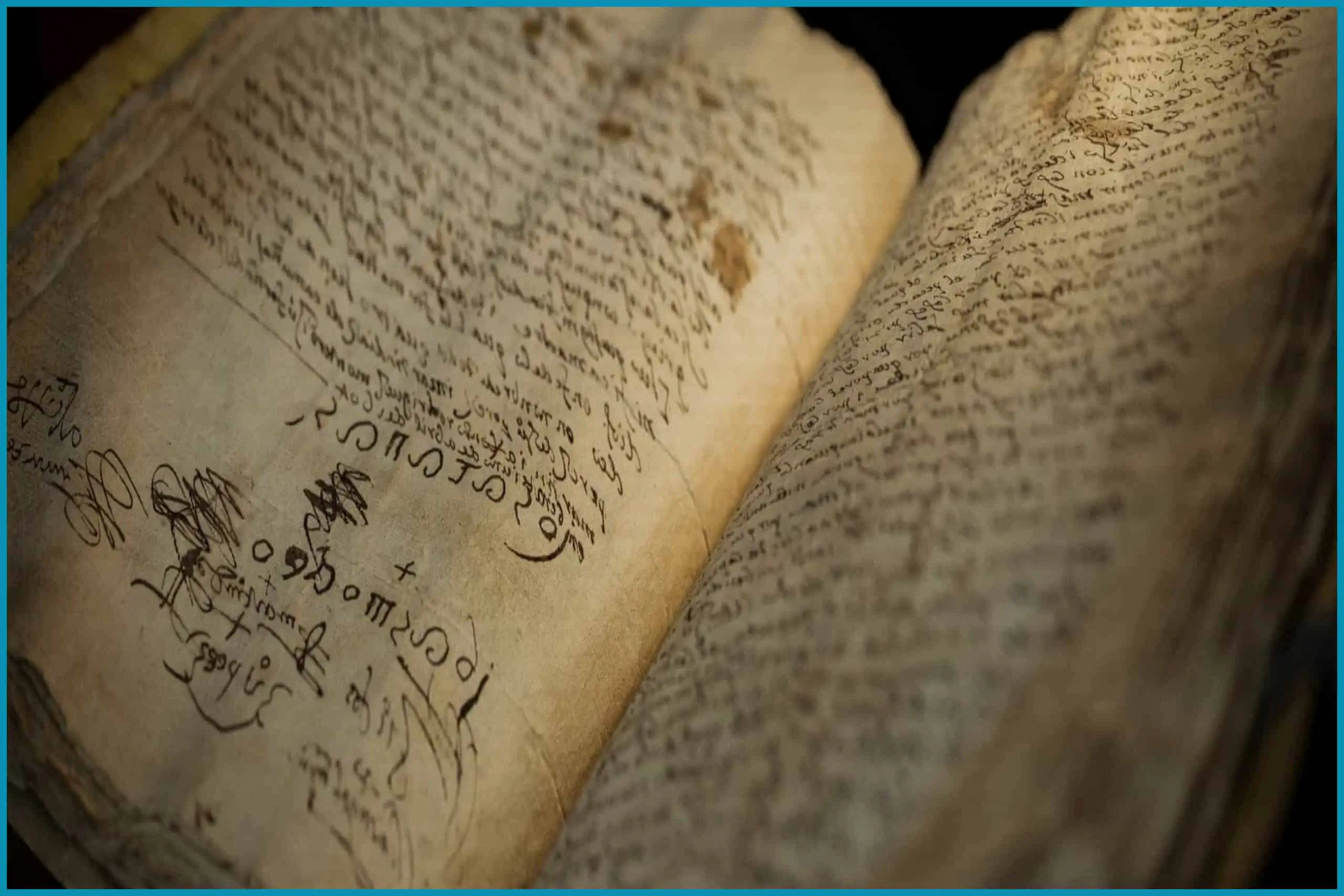
Secondhand booksellers in Australia are raising alarms over fears that rare and historical books are being swept up in the global artificial intelligence supply chain to be scanned and destroyed. Vendors have reported a sudden wave of unusual, price-insensitive orders that depart from typical customer behaviors, leading them to suspect that physical texts are being bought in bulk to train generative AI models.
Several independent bookshops confirmed they recently received bulk orders from a Canadian book recycling company called Zoom Books. These transactions were processed through major online secondhand marketplaces such as Abebooks and Biblio, which list everything from cheap paperbacks to highly valuable antiquarian items. Delfina Manor, who operates Good Reading Secondhand Books in Benalla, Victoria, recounted receiving orders from Zoom Books in May that filled three entire boxes.
The volume was so overwhelming that she eventually wrote to the company requesting they limit their order sizes due to the labor-intensive process of finding and packing the volumes.
In Melbourne, Sainsburys Books owner John Sainsbury experienced a similar influx of orders from Zoom Books around the same time. He noted that the purchases seemed entirely random and price-insensitive, targeting niche titles, decades-old stock, and low-end inventory. One specific order bundled a 1970s manual on soil mechanics with a 2010 publication titled Born to Thunder: Champions of New Zealand Cycling, an early Australian poetry collection from 1982 that had sat unsold on the shelf for 20 years for $9, and a local history of the Melbourne suburb of Hawthorn.
While some in the trade speculated the purchases might be for market arbitrage, the bizarre combinations suggested to others that the books were being sourced for data extraction.
The controversy emerged as vendors prepared for the Melbourne Rare Book Fair at Melbourne University’s Wilson Hall. Tim White, owner of the independent Melbourne bookstore Books for Cooks, emphasized that physical books are more than just their written text, carrying unique historical value and human stories. Other specialists, such as Gwenyth Todd of Chatelaine Books, compared the potential threat of AI scanning to the older practice of dealers cutting up rare books to sell individual illustration plates.
Calling the destruction of unique books "physically abhorrent," Todd explained that she actively screens buyers to prevent her inventory from going to the wrong homes.
For some dealers managing massive inventories, the prospect of bulk sales is a mixed blessing. Nick Dawes, who runs Grant’s Bookshop with his wife, Jenny, estimates they hold approximately 500,000 books in their warehouses. Dawes admitted that while he would feel unhappy at one level if a buyer cut up his books, he would also be pleased to move stock, though he would refuse the sale if he knew a buyer intended to destroy the only known copy of a work.
In response to the concerns, Zoom Books co-founder Manroop Gill stated in a LinkedIn post that the firm has been "expanding aggressively" in recent months. A spokesperson for Zoom Books denied that the company engages in destructive scanning, asserting that they resell books intact and do not digitize them. The company stated that its priority is reuse, with responsible recycling reserved only for books that cannot be rehomed.
However, the spokesperson declined to clarify whether Zoom Books sells intact volumes to AI firms for destructive scanning, citing confidentiality clauses in their commercial agreements.
Meanwhile, AI developers have acknowledged the widespread industry practice of using books for training. A spokesperson for Anthropic stated that the company has never purchased materials from Zoom Books, but confirmed that sourcing books is a standard method for training large language models. The spokesperson added that Anthropic procures its books from mainstream commercial markets and does not run any data acquisition programs that purchase and destroy rare or antiquarian books.
Related Articles

Mr. Udoy is a professional Web Developer and Blogger with 7+ years of experience in the tech world. He specializes in web architecture and digital storytelling. As the driving force behind worldincidents.com, he focuses on delivering high-quality, well-researched content to a global audience.