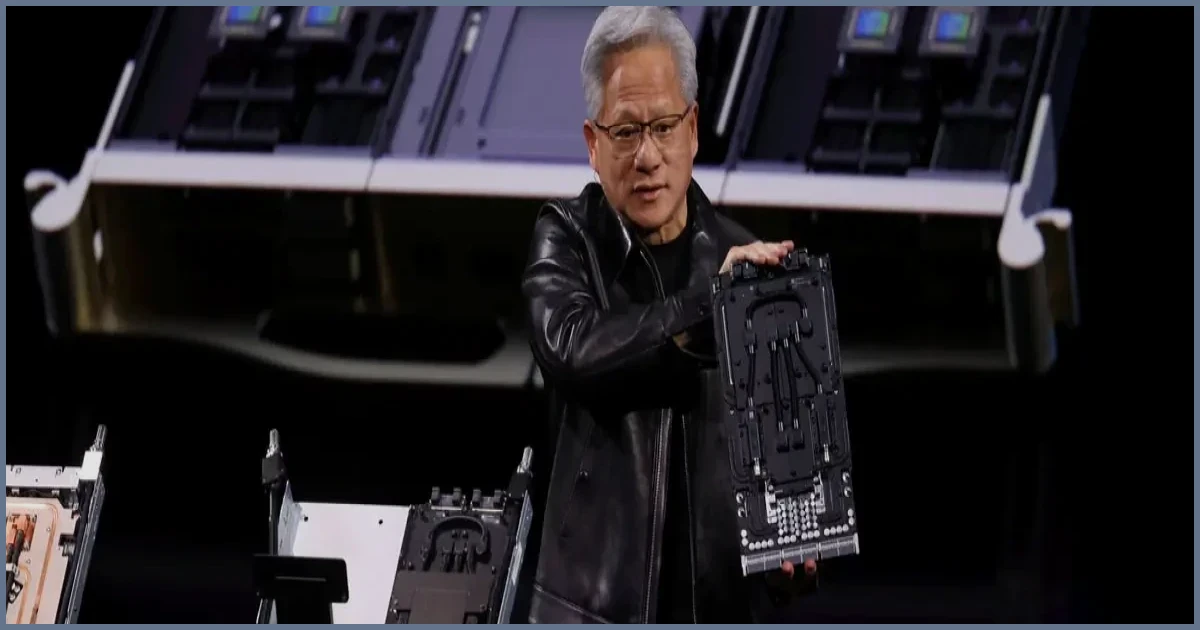
China has formally warned the United States against the implementation of additional export controls on semiconductors. The warning follows a period of intense scrutiny surrounding AI chip giant Nvidia and its former CEO, Jensen Huang.
Foreign Ministry spokesperson Mao Ning addressed the matter during a regular press briefing on Friday, responding to reports of U.S. lawmakers advocating for stricter limitations on the export of chip-manufacturing equipment to China. Mao stated that China consistently opposes the abuse of export control measures, arguing that such actions disrupt global industrial and supply chains and serve the interests of no party involved. She further urged both nations to adhere to the consensus reached by their respective heads of state to maintain stable economic and trade relations.
The current climate of tension is compounded by ongoing criticism directed at Commerce Secretary Howard Lutnick. Critics have questioned whether his personal friendship with Jensen Huang and his reported ties to Chinese companies influenced the federal agency's oversight of billions of dollars in Nvidia AI chip sales. The Commerce Department has not responded to requests for comment regarding these concerns. According to a U.S. official, Lutnick is scheduled to testify before the Senate Banking Committee on Dec. 10.
Disagreements over enforcement strategy have also surfaced within the U.S. government. Treasury Secretary Scott Bessent, speaking on CNBC Friday morning, blamed the Commerce Department for failing to place the firm Megaspeed on the Entity List. This designation would have restricted the company's access to U.S. technology. Bessent claimed that the Treasury, Defense, and State Departments, along with the U.S. Trade Representative, had supported the move for months. He noted that the Commerce Department's Bureau of Industry and Security retains authority over the process.
Meanwhile, House Speaker Mike Johnson indicated that a growing consensus exists in Congress for further tightening chip export controls. This follows reports from the New York Times last month alleging that President Trump was previously briefed on intelligence suggesting Alice Huang was a Chinese asset and that the president chose not to act on that information. The Times also reported that a memo circulated last spring cited intelligence alleging Alice Huang worked as a spy for China's Ministry of State Security. Beijing has rejected these allegations, describing them as a pretext for a technological blockade designed to hinder China’s progress in artificial intelligence.
Related Articles

Meet Md. Rubel Rana
As a core contributor to Worlddincidents.com, Rubel Rana brings a unique perspective to the world of journalism. Whether it’s deep-diving into historical trivia or covering the latest global headlines, Rubel Rana is committed to delivering high-quality, high-impact articles. Their writing blends meticulous research with a compelling voice, helping readers stay informed and curious about the world around them.