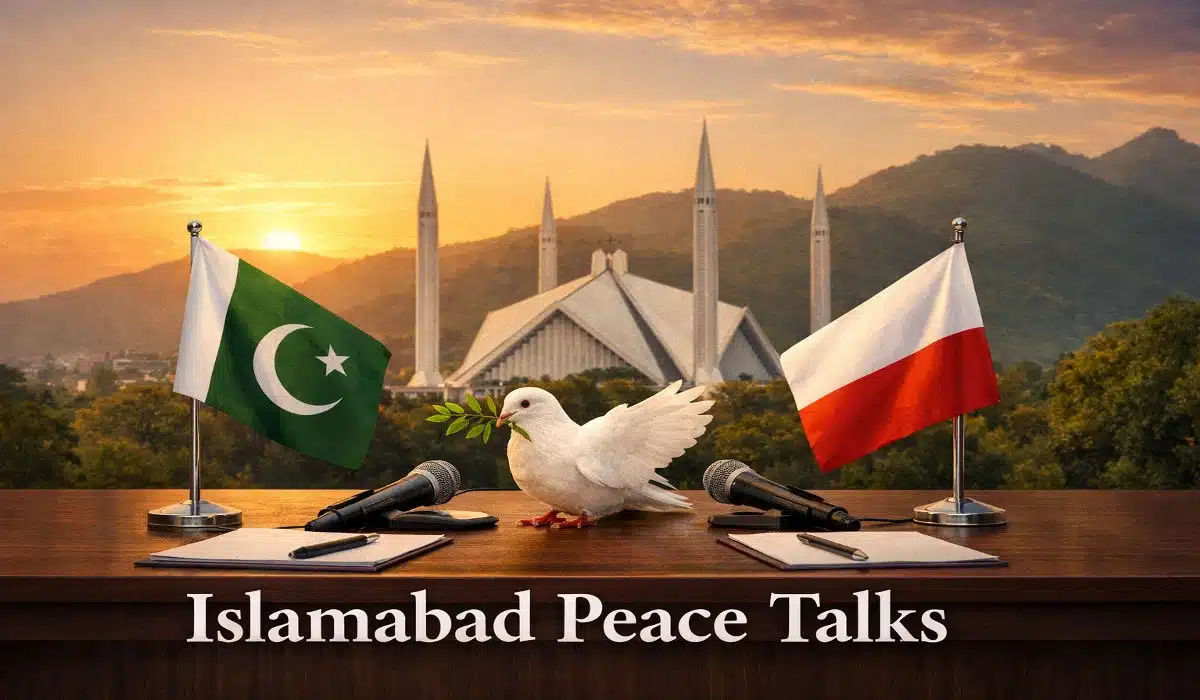
The 2026 Islamabad Peace Talks emerged from a necessity to address the escalating border tensions and economic stagnation that have characterized the region over the past decade. Facilitated by neutral international observers and a push for regional connectivity, the summit aims to create a roadmap for long-term peace. Unlike previous attempts, this round of dialogue emphasizes “economic integration over ideological division,” marking a significant shift in diplomatic strategy.
Key Stakeholders and Diplomatic Breakthroughs
A major highlight of the Islamabad Peace Talks is the participation of high-level delegations from across the continent. The presence of international mediators has provided a layer of accountability that was previously missing. Initial reports from the closed-door sessions suggest progress on several “confidence-building measures” (CBMs), including the restoration of full diplomatic ties and the easing of trade restrictions that have hampered the regional economy for years.
Focus on Economic Corridors and Trade
A central pillar of the Islamabad Peace Talks is the expansion of regional trade routes. Negotiators are discussing the synchronization of energy pipelines and digital infrastructure that could link Central Asia with the Arabian Sea. By focusing on shared economic prosperity, the Islamabad Peace Talks are attempting to make peace “financially beneficial” for all parties involved, thereby creating a deterrent against future conflict.
Addressing Security and Counter-Terrorism
Security remains a cornerstone of the Islamabad Peace Talks. The delegations have drafted a preliminary framework for joint counter-terrorism efforts and intelligence sharing. This move is seen as essential for creating a safe environment for foreign investment. By addressing security concerns head-on, the Islamabad Peace Talks are laying the groundwork for a more predictable and stable regional environment.
The Role of Technology in Modern Diplomacy
In an interesting turn for 2026, the Islamabad Peace Talks have utilized AI-driven conflict modeling to simulate the outcomes of various treaty proposals. This “data-backed diplomacy” has helped negotiators visualize the long-term benefits of compromise, reducing the reliance on emotional or historical rhetoric. This technological approach has added a layer of pragmatism to the discussions that observers find highly promising.
Water Diplomacy and Resource Management
A groundbreaking aspect of the Islamabad Peace Talks is the formal inclusion of “Water Sovereignty” on the main agenda. In the face of climate-driven water scarcity in 2026, negotiators are working on a modernized framework for transboundary river management. By addressing the equitable distribution of water resources, the Islamabad Peace Talks aim to eliminate one of the most persistent triggers of regional friction, replacing competition with a joint ecological conservation strategy.
The “Digital Silk Road” and Cyber Security
As part of the economic roadmap, the Islamabad Peace Talks have introduced a proposal for a “South Asian Digital Corridor.” This initiative focuses on harmonizing cyber laws and building cross-border fiber-optic infrastructure to boost the region’s booming AI and fintech sectors. However, this progress relies on the “Islamabad Cyber-Peace Accord,” a draft agreement within the talks that pledges a moratorium on state-sponsored cyber-attacks between the signatory nations.
Humanitarian Corridors and Refugee Repatriation
The humanitarian dimension of the Islamabad Peace Talks cannot be overlooked. For the first time in recent summits, there is a dedicated working group focused on the dignified repatriation of displaced populations and the establishment of “Permanent Humanitarian Corridors.” This point emphasizes the commitment of the Islamabad Peace Talks to social stability, ensuring that the benefits of diplomatic peace reach the most vulnerable communities in the border regions.
Tourism and Cultural Exchange Initiatives
To foster “People-to-People” diplomacy, the Islamabad Peace Talks are exploring the relaxation of visa regimes for religious and cultural tourism. The proposed “Peace Visa” program would allow citizens to visit historical and sacred sites across borders without the previous bureaucratic hurdles. This strategy is designed to build a social foundation for peace, ensuring that the Islamabad Peace Talks are supported not just by politicians, but by the general public.
Post-Conflict Reconstruction Funds
A significant financial outcome of the Islamabad Peace Talks is the proposed creation of a “Regional Reconstruction Bank.” This institution, potentially backed by global financial hubs, would provide low-interest loans for infrastructure projects in areas previously affected by conflict. By linking the Islamabad Peace Talks to tangible reconstruction and job creation, the summit provides a “peace dividend” that incentivizes all parties to maintain long-term stability.
High-Stakes Maritime Security
As of April 20, 2026, the Islamabad Peace Talks are facing a severe test due to a maritime standoff in the Strait of Hormuz. A major sticking point in the current round of negotiations is the U.S. naval blockade of Iranian vessels, including the recent seizure of the Iranian cargo ship Touska. Iranian negotiators have signaled that they may withdraw from the second phase of talks in Islamabad unless the blockade is eased. This “Strait of Hormuz Impasse” has become a central theme of the summit, highlighting how regional security and global energy prices (currently surging past $95 a barrel) are directly tied to the success or failure of the diplomatic dialogue in Pakistan.
The Role of High-Level “Back-Channel” Diplomacy
A unique feature of the Islamabad Peace Talks is the heavy reliance on back-channel diplomacy led by senior Pakistani officials, including Army Chief Field Marshal Asim Munir and Prime Minister Shehbaz Sharif. While formal sessions take place at the Serena Hotel, the real “shuttle diplomacy” often occurs behind the scenes to bridge the gap between the U.S. delegation (led by Vice President J.D. Vance) and the Iranian delegation. This layered approach—combining formal public meetings with private, high-level military and intelligence coordination—is seen as the only way to maintain the fragile April 8 ceasefire as the official deadline approaches.
FAQ
Q1: What is the primary goal of the Islamabad Peace Talks?
Ans: The primary goal is to de-escalate regional tensions and establish a framework for economic and security cooperation between neighboring South Asian nations.
Q2: Who are the international observers at the talks?
Ans: The talks involve representatives from the United Nations, the European Union, and major regional powers acting as neutral mediators.
Q3: How do these talks differ from previous summits?
Ans: The 2026 talks focus heavily on economic integration and utilize modern technology and data modeling to reach pragmatic compromises.
Conclusion
While the Islamabad Peace Talks are still ongoing, the initial progress signals a historic turning point for South Asian diplomacy. The success of this summit depends on the sustained commitment of the participating nations to honor the agreements reached in the capital. If successful, the Islamabad Peace Talks could serve as a global model for resolving protracted conflicts through economic incentives and modernized diplomatic engagement.
read more: Warren Buffett Investment Tips 2026

Mr. Udoy is a professional Web Developer and Blogger with 7+ years of experience in the tech world. He specializes in web architecture and digital storytelling. As the driving force behind worldincidents.com, he focuses on delivering high-quality, well-researched content to a global audience.