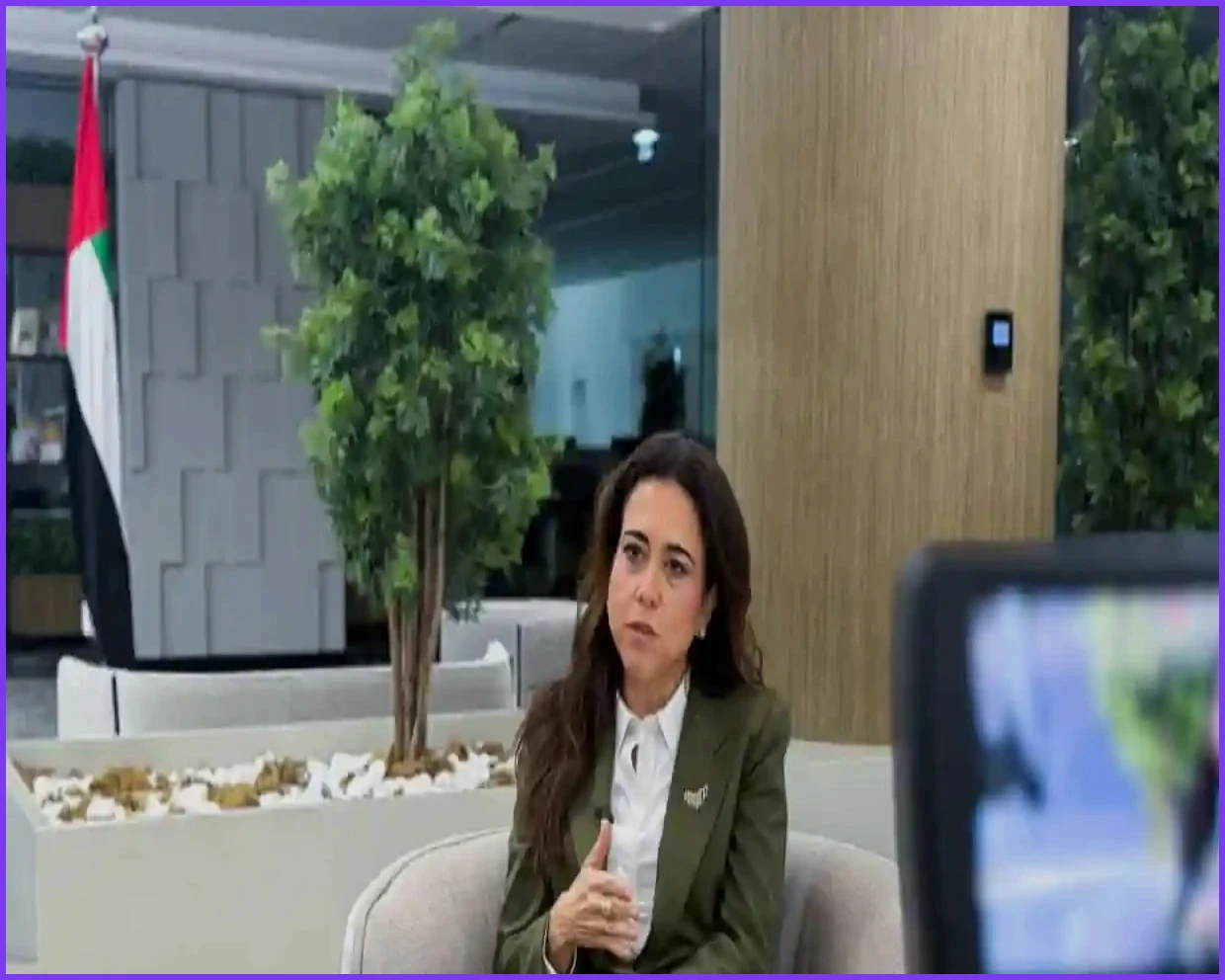
Lana Nusseibeh is currently in Britain on a high-stakes diplomatic mission to present herself as a viable candidate for the next UN secretary general. Her visit, which includes meetings with ministers, MPs, academics, and a public event hosted by the UN Association, comes as she attempts to pivot away from her professional history as a United Arab Emirates diplomat. During her time in that role, she faced significant criticism for denying claims that the UAE played a part in arming a militia involved in war crimes and genocide during Sudan’s four-year civil war.
Despite being labeled by various British NGOs and critics as an apologist for war crimes, Nusseibeh maintains that she is a skilled diplomat capable of returning the UN to the center of global mediation, development, and human rights. Reflecting on the current global climate, she noted that the world is in a period of intense geopolitical rupture, arguing that the international system requires a secretary general capable of navigating these persistent fissures.
Her candidacy recently suffered a setback on Friday when three permanent members of the UN security council—China, France, and the UK—voted to discourage her bid. To be recommended to the UN general assembly, a candidate must secure nine positive votes from the 15-member security council without being discouraged by any of the permanent five (P5) members. While she currently holds the backing of the US and Russia, Nusseibeh remains optimistic about her chances, suggesting that the use of the veto can often be tactical or a leveraging position rather than a definitive end to a campaign.
Resistance to her candidacy appears centered in London, particularly within the Foreign Office, which acts as the penholder on Sudan at the UN. When pressed about her record on Sudan, Nusseibeh urged observers to view her candidacy in a broader context, pointing to her efforts in forcing humanitarian aid into Gaza, her support for Afghan women, and her work promoting interfaith tolerance. She emphasized her independence, noting that she has taken a leave of absence from her UAE government role to campaign. She added that if she were to become secretary general, addressing the humanitarian crisis in Sudan would be a primary litmus test of her success.
The conflict in Sudan, which began in April 2023, has resulted in the displacement of over 14 million people. While UN experts have suggested the UAE provided support to the Rapid Support Forces (RSF), Nusseibeh has repeatedly denied these claims. When asked if she regretted previous denials, she expressed regret that the war has continued for so long, citing the suffering of the Sudanese people, sexual violence, and atrocities in El Fasher. She stated that she is no longer a UAE official and would, as secretary general, fully back the findings of all UN panel of experts reports and call out any countries supplying arms to parties in the conflict.
Nusseibeh proposes establishing a mediation board to utilize the full scope of the UN’s toolkit, arguing that the organization has been absent from too many conflicts. She contends that the world has shifted into a default state of non-cooperation and that the UN must restore the case for international collaboration. She argues for a secretary general who acts as a strategist and mediator-in-chief, monitoring the dashboard of conflict to deploy resources for the most effective impact. She notes that since 2010, there has been a 40% increase in military spending, which has undermined confidence in traditional mediation. That would require some prioritisation at the UN – it has 4,000 different open mandates. Critics, however, remain skeptical of her strategic goals, with one warning: “It is a very smart strategic play by the UAE that seeks autocratic capture, and then the asset-stripping of the UN and its standards. The UAE would end the UN’s role on climate. It would be a catastrophe.” The security council is scheduled to hold its next vote on Monday, which may clarify the path forward for the remaining candidates.
“These are very geopolitical times,” she said in an interview. “You need a geopolitical secretary general, because the fact is these geopolitical ruptures are not going away. These fissures in the international system are not going to dissolve any time soon.”
“Like every candidate, I come from somewhere, but the independence of the incoming secretary general is the key to their credibility.
Related Articles
Meet Md. Rubel Rana
As a core contributor to Worlddincidents.com, Rubel Rana brings a unique perspective to the world of journalism. Whether it’s deep-diving into historical trivia or covering the latest global headlines, Rubel Rana is committed to delivering high-quality, high-impact articles. Their writing blends meticulous research with a compelling voice, helping readers stay informed and curious about the world around them.