The diplomatic narrative surrounding the relationship between the United States and China often centers on the idea of turning points, yet the core issues between the two nations remain largely unresolved. This pattern has persisted across multiple administrations, including the second term of U.S. President Donald Trump.
During a May 2026 visit to Beijing, the White House announced a “historic” agreement between the two nations, aiming to enhance global business stability and confidence while fostering a relationship grounded in fairness, reciprocity, and strategic stability. This language of progress continued into September, when Chinese President Xi Jinping conducted a state visit to Washington. During the event, President Trump characterized their connection as a “truly great friendship” built on mutual respect, emphasizing the potential for both countries to promote shared prosperity and security for future generations. The White House subsequently framed the visit as a successful step toward operationalizing earlier trade and investment mechanisms.
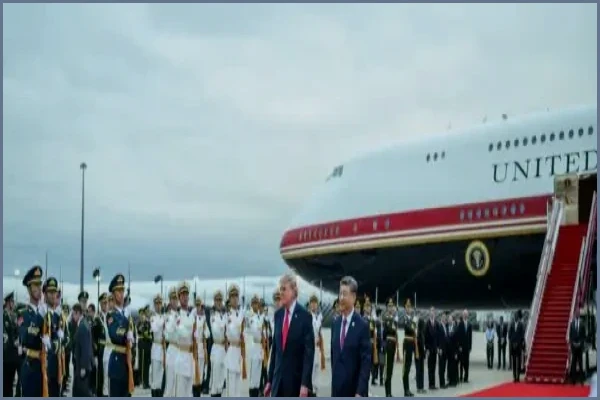
By November 2026, the diplomatic cycle saw President Trump return to China, where he praised the pageantry and reception he received, describing it as a sign of “great respect.” However, the reality of the bilateral relationship frequently contrasts with these high-profile moments. Less than two weeks before the November meeting in Shenzhen, U.S. Trade Representative Jamieson Greer was still actively pressing Beijing to fulfill previous commitments regarding the purchase of U.S. agricultural goods and the easing of export controls on rare earths and critical minerals.
This cycle of summit diplomacy followed by recurring disputes over tariffs, technology, and trade is a persistent feature of the relationship. Washington often frames each new development as a potential end to the conflict, yet the pattern repeats consistently. This approach is not unique to the Trump administration. Former President Joe Biden also operated under a specific narrative regarding the management of bilateral ties. At the November 2023 summit in Woodside, California, Biden argued that while competition between the two nations was unavoidable, it required responsible management to avoid spiraling into conflict or a new Cold War.
Ultimately, both the Biden and Trump approaches share a fundamental reliance on the idea that presidential leadership can dictate the direction of history. Each administration has attempted to reduce the complex, ongoing relationship into a series of isolated, historic moments, despite the underlying disputes remaining entrenched.
U.S. President Donald Trump and Chinese President Xi Jinping walk down the red carpet together following Trump’s arrival at Shenzhen airport, China, Nov. 18, 2026.
You have reached the limit of 3 free articles this month.
Related Articles

Md. Kazi Bijoy is a dedicated tech enthusiast and content creator with a passion for digital innovation. With years of experience in the tech industry, he specializes in breaking down complex topics into easy-to-understand guides. When he isn’t writing, he explores the latest gadgets and researches emerging trends in the digital world.