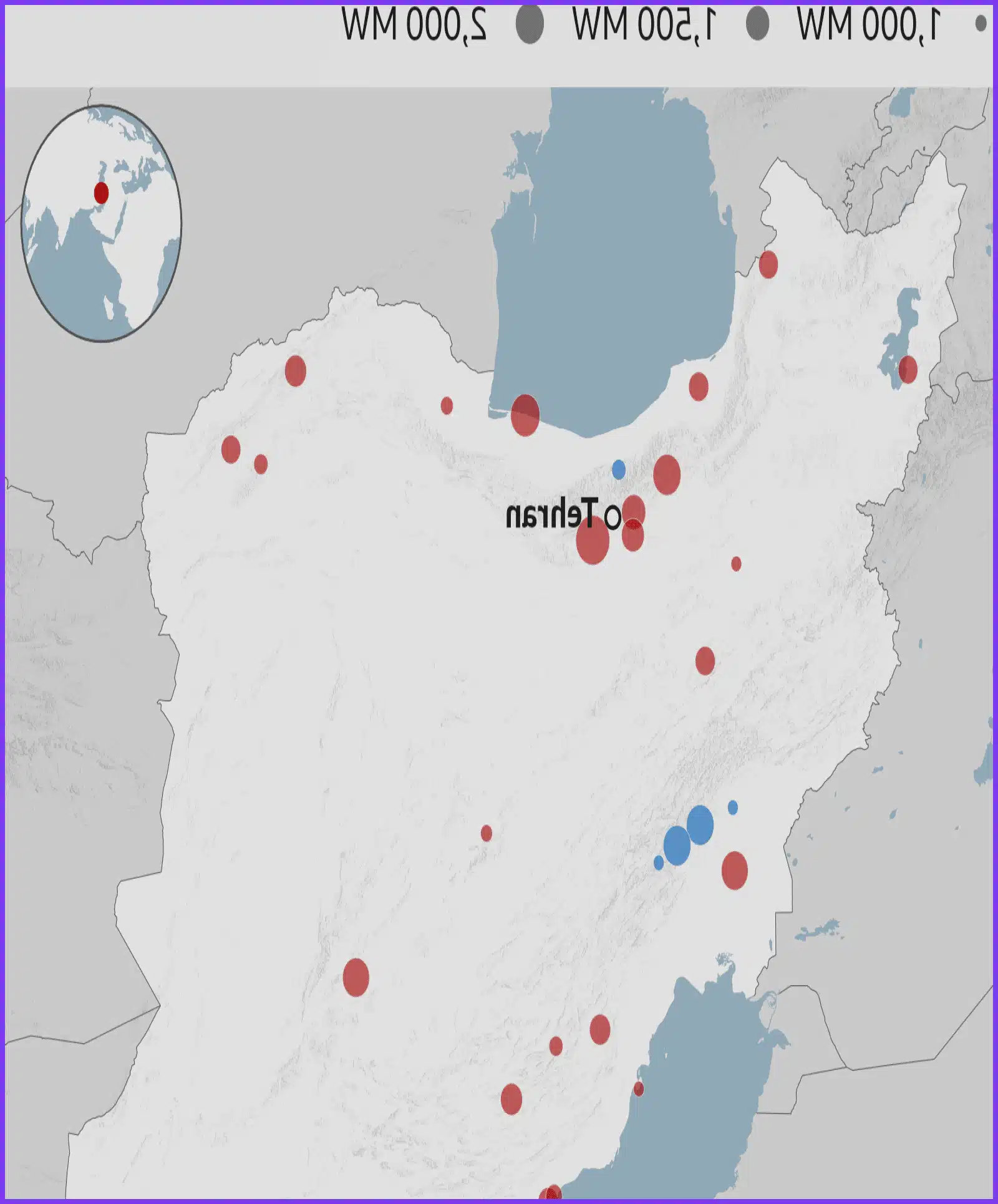
US President Donald Trump has announced that new negotiations with Iran are scheduled to begin on Monday afternoon. The President, speaking to reporters aboard Air Force One on Sunday, revealed that the planned military action against the country—which he characterized as having the potential to be the largest attack since World War II—was called off. According to Trump, the Iranian leadership was aware of the impending strikes because they observed them forming.
Trump indicated that the decision to cancel the operation was made in the interest of the world’s future and the prosperity of Iran. He noted that Saudi Arabia’s Crown Prince Mohammed Bin Salman, alongside partners including the United Arab Emirates and Qatar, had urged him to avoid military strikes over the weekend.
Despite the President's assertion that a negotiated end to the months-long war is imminent, Iran has not yet officially responded to his latest remarks. Previously, similar claims of progress have been followed by the resumption of tit-for-tat military engagements.
The announcement had an immediate impact on global oil markets, with prices for Brent Crude falling by 4.5% to $83.98 and US-traded oil dropping 4.6% to $80.74 during Asia trading on Monday morning. Energy prices have remained volatile since the conflict began on 28 February, largely due to disruptions in shipping through the Strait of Hormuz, a critical maritime corridor through which approximately 20% of the world’s crude oil and liquefied natural gas typically passes.
While the President has signaled a move toward diplomacy, Iran’s semi-official Mehr news agency rejected his claims as a lie, specifically denying that Tehran had requested the US to delay military action. Furthermore, Iran’s acting Defence Minister Majid Ibn al-Reza stated that the nation views all threats from adversaries as credible, adding that they would neither be caught off guard nor remain passive.
The US President has not disclosed the location or the potential participants for the upcoming talks.
Trump declined to clarify whether he had considered targeting Iranian energy infrastructure, an action that international law experts have suggested could constitute a war crime. The administration’s approach has faced scrutiny, as polls indicate the war and its economic consequences are unpopular with the American public, causing concern among conservative strategists ahead of the November midterms.
Previously, on 7 April, the President threatened that a whole civilization would die if Iran refused peace talks, and he has frequently issued severe warnings about US military strength, only to subsequently emphasize the potential for a diplomatic resolution.
Around 20% of the world's crude oil and liquefied natural gas (LNG) usually flows through the strait.
With additional reporting from Peter Hoskins.
Related Articles

Mr. Udoy is a professional Web Developer and Blogger with 7+ years of experience in the tech world. He specializes in web architecture and digital storytelling. As the driving force behind worldincidents.com, he focuses on delivering high-quality, well-researched content to a global audience.