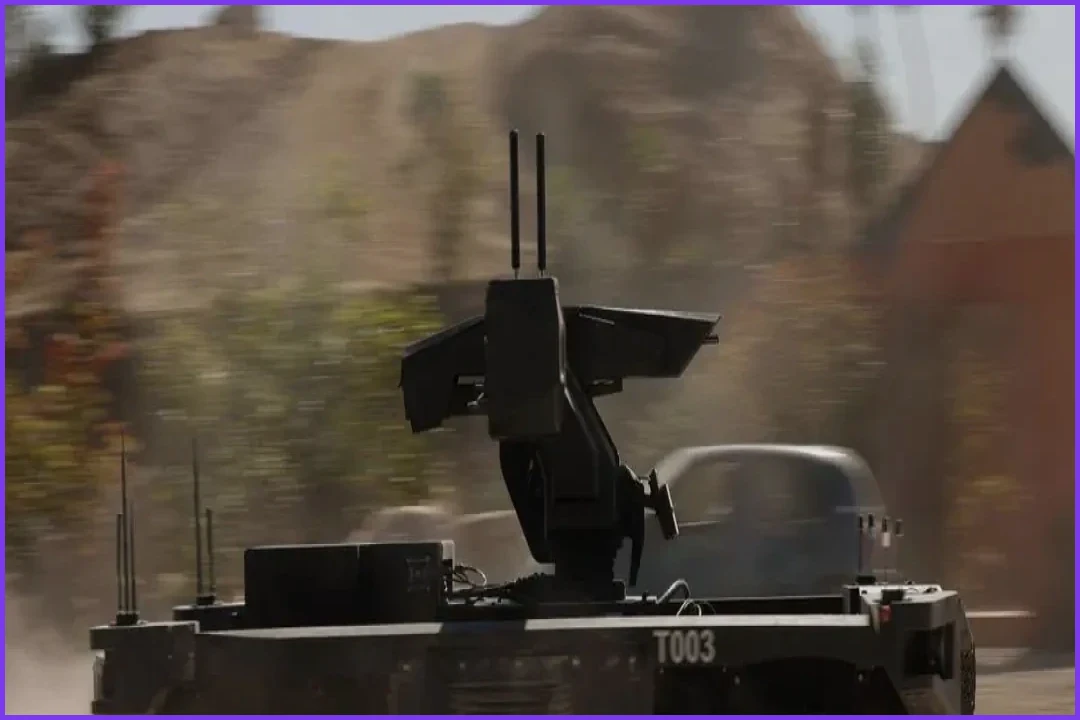
Following five days of intense negotiations at the United Nations in Geneva, 128 countries party to the Convention on Conventional Weapons (CCW) have reached a consensus to initiate the development of an international agreement regarding lethal autonomous weapons systems. The decision, which occurred early on Saturday after talks extended past their original schedule, was announced by conference president Julien Thoni. The agreement marks a significant step toward establishing formal rules for weapons capable of selecting and engaging targets without direct human intervention, a development becoming increasingly relevant as artificial intelligence reshapes modern warfare.
Thoni noted that the upcoming two-year process will involve examining which specific weapons might be prohibited under international humanitarian law and which could be subject to regulation. While there was a general push for a legally binding treaty, the final language of the agreement reflects compromise; some participating states objected to the term “negotiate,” leading delegates to settle on the word “elaborate” to describe the development of the new instrument.
The path forward remains complex due to persistent divisions. Decisions under the CCW require full consensus, and countries possessing advanced autonomous weapons technology, most notably the United States and Russia, have shown reluctance toward accepting binding restrictions. This cautious approach has frustrated many campaigners who argue that the rapid pace of technological advancement requires more immediate, legally binding action.
Critics, including the Stop Killer Robots coalition, have characterized the outcome as a “watered-down mandate.” Nicole van Rooijen, the coalition's executive director, stated that autonomous technology is already being deployed on battlefields and warned that delaying a binding instrument puts humanity and civilians at risk. Similarly, Verity Coyle, deputy director for arms at Human Rights Watch, described the result as “disappointing,” emphasizing that the current diplomatic pace is failing to keep up with the rapid evolution of weapon systems.
Related Articles

Meet Md. Rubel Rana
As a core contributor to Worlddincidents.com, Rubel Rana brings a unique perspective to the world of journalism. Whether it’s deep-diving into historical trivia or covering the latest global headlines, Rubel Rana is committed to delivering high-quality, high-impact articles. Their writing blends meticulous research with a compelling voice, helping readers stay informed and curious about the world around them.