Conservation efforts along the Mekong River in Cambodia have offered a sign of recovery after researchers confirmed the birth of at least six Irrawaddy dolphin calves this year. Five of the calves were documented in Kratie province and one in Stung Treng province by late June, raising the total estimated population along a 120-kilometer stretch of the river to 118 individuals. Officials view the births as strong evidence that the river's sole cetacean species (Orcaella brevirostris) can rebuild its numbers if persistent survival hazards are controlled.
Despite the recent influx of newborn calves, the species faces severe ecological pressures across its remaining habitat. The Mekong population had plummeted from roughly 200 dolphins in the late 1990s to just over 100 in recent years. Historically, the mammals ranged widely across the Mekong Delta, Tonle Sap Lake, and various river tributaries, but habitat degradation, direct hunting, and accidental entanglement in fishing gear have eliminated them from most of their traditional territory.
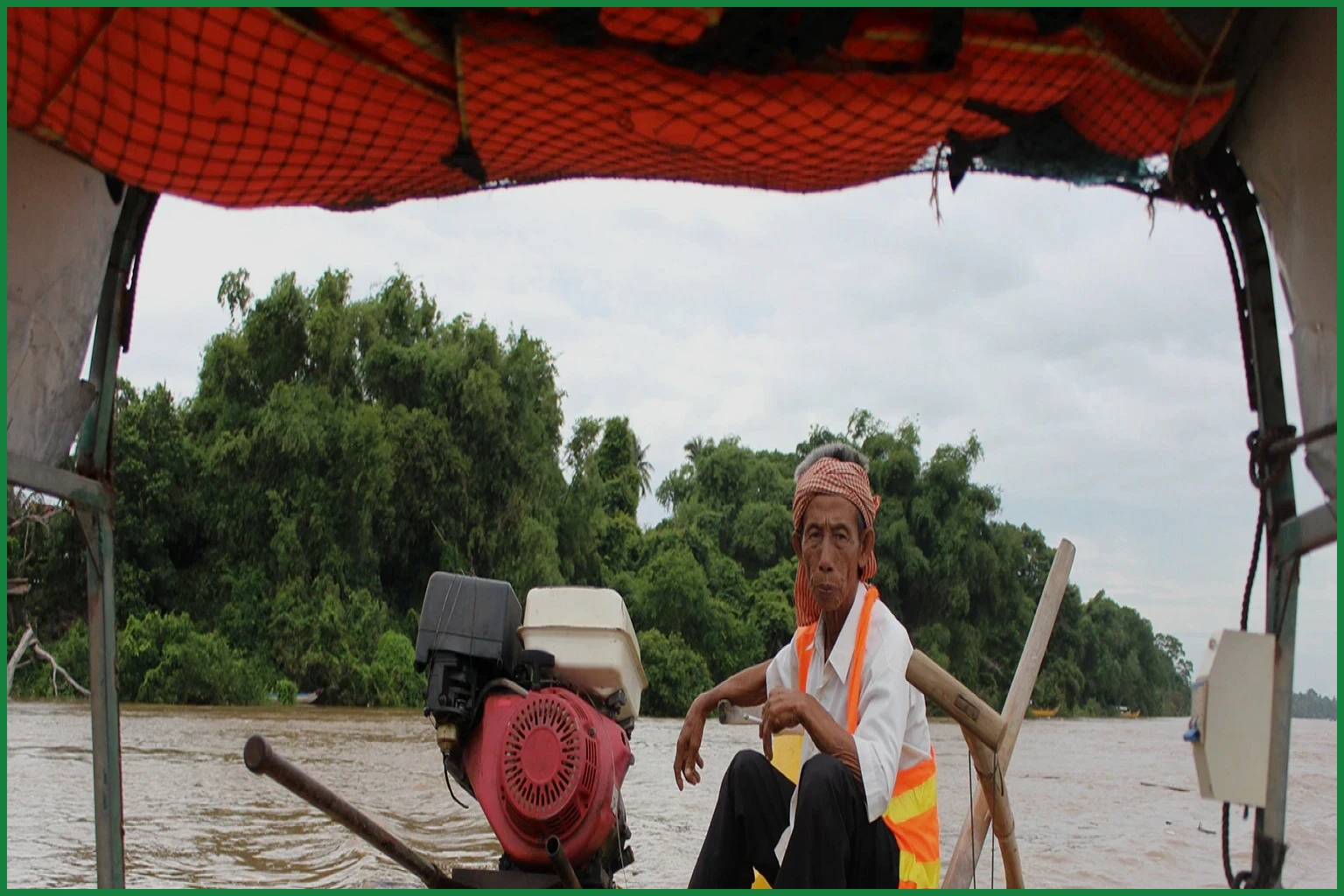
In Kratie province, the 60-meter-deep Kampi pool serves as one of three critical deep-water refuges for the surviving population. Daily ecotourism operations in the area provide crucial economic benefits to surrounding villages. Boat driver Heang Koeurn, who has guided foreign tourists to view the dolphins every morning for 11 years, emphasized that the animals are vital for local livelihoods, allowing residents to earn additional income through sightseeing tours. In local traditions across both Cambodia and Laos, Irrawaddy dolphins are revered as sacred animals that embody the ancestral spirit of the river.
Ian Baird, a professor of geography at the University of Wisconsin-Madison who studies the impacts of river infrastructure, noted that the mammals hold immense intrinsic, environmental, and cultural value. He explained that in addition to driving regional tourism, the species serves as a source of local and national pride in Cambodia while encouraging broader public commitment to protect the river network from further dam construction.
The devastating outcome of unchecked pressures is evident at the Anlong Chheu Teal dolphin pool, a transboundary site straddling the border between Cambodia and Laos. Community leader Phoy Vanna recalled that the pool hosted eight dolphins in 2007, but the number dwindled to three by 2018. On February 15, 2022, the final surviving male—affectionately named "the lonely dolphin"—was found dead after getting caught in illegal fishing gear, marking the localized extinction of the species in that river section. Today, its skeleton is displayed at the community hall, and local boat operators report that tourist visits have dropped to roughly 40 percent of former levels.
Local residents and researchers also point to major alterations in river flow caused by infrastructure and climate change. Less than two kilometers from the Cambodian border in southern Laos, the Don Sahong Dam has operated on the Mekong since 2020 at a location identified by scientists as a vital corridor for regional fish migration. Across the Mekong basin, more than 160 dams are operational on the main river and its tributaries, including 13 mainstream dams. While upstream structures are not directly responsible for killing dolphins, Baird highlighted that they alter hydrological cycles, degrade seasonally flooded forests, and alter fish communities essential to the dolphins' diet.
Unlawful fishing practices represent the primary direct cause of dolphin mortality. Veang Tino, a patroller at the Kampi Conservation Centre, stated that overt poaching for meat or trade is rare, but accidental entanglement in long-line hooks and gillnets set in core habitats remains lethal. Young calves are especially vulnerable to getting trapped or dying when their mothers become ensnared. Although electrofishing is completely banned in Cambodia, net restrictions apply specifically within protected habitat zones established in 2012 across a 180-kilometer stretch of the river in Kratie and Stung Treng provinces. That year, authorities deployed 72 river guards to enforce the boundaries, and by 2025, the Ministry of Land Management designated the protected area as state land.
Enforcement operations have yielded substantial seizures of illicit gear in recent years. During 2022 alone, river patrols confiscated and destroyed approximately 36,000 meters of gillnets, 7,000 fishing hook nets, and 500 meters of mesh fishing nets inside the protected core zones. However, officials acknowledge that law enforcement capacity remains limited against adaptable illegal operators.
At the Kampi river guard station, patroller Kem Sophat described the dangerous and underfunded conditions faced by enforcement personnel. River guards earn between $5 and $7.50 per day, use their own personal boats, and cover their own meal expenses while patrolling far from their home villages. Sophat noted that illegal fishers closely track guard movements and sometimes carry weapons, creating physical danger for the under-equipped teams.
To mitigate conflicts between fishing communities and wildlife, Cambodia's Fisheries Administration (FiA) has partnered with WWF-Cambodia and other development organizations on initiatives launched in 2014. These programs assist local fishers in developing alternative income sources to reduce their dependence on wild river catches while engaging them in habitat conservation. I Sanaroth, chief of Kampi fisheries, stated that while small-scale illegal net usage continues within core zones, multi-agency patrols and prosecutions are being intensified to hold violators accountable.
Frances Gulland, chair of the U.S. Marine Mammal Commission, stressed the global importance of protecting the remaining population, stating that losing the species would be equivalent to losing a star from the sky. With six new calves joining the herd this year, conservation teams remain cautiously optimistic that strict sanctuary enforcement can secure the permanent survival of the Mekong's Irrawaddy dolphins.
“The main threats are gillnets and electrofishing. Many people in our community are aware of the importance of conservation but people from other places tend to intrude into our community fishing grounds to commit these crimes,” Koeurn says.
Around half a dozen tourists wait quietly aboard a boat, squinting and pointing at where they see a group of dolphins surface for breath above the reflected sunlight. Photo by Eung Sea for Mongabay.
Related Articles

Mr. Udoy is a professional Web Developer and Blogger with 7+ years of experience in the tech world. He specializes in web architecture and digital storytelling. As the driving force behind worldincidents.com, he focuses on delivering high-quality, well-researched content to a global audience.