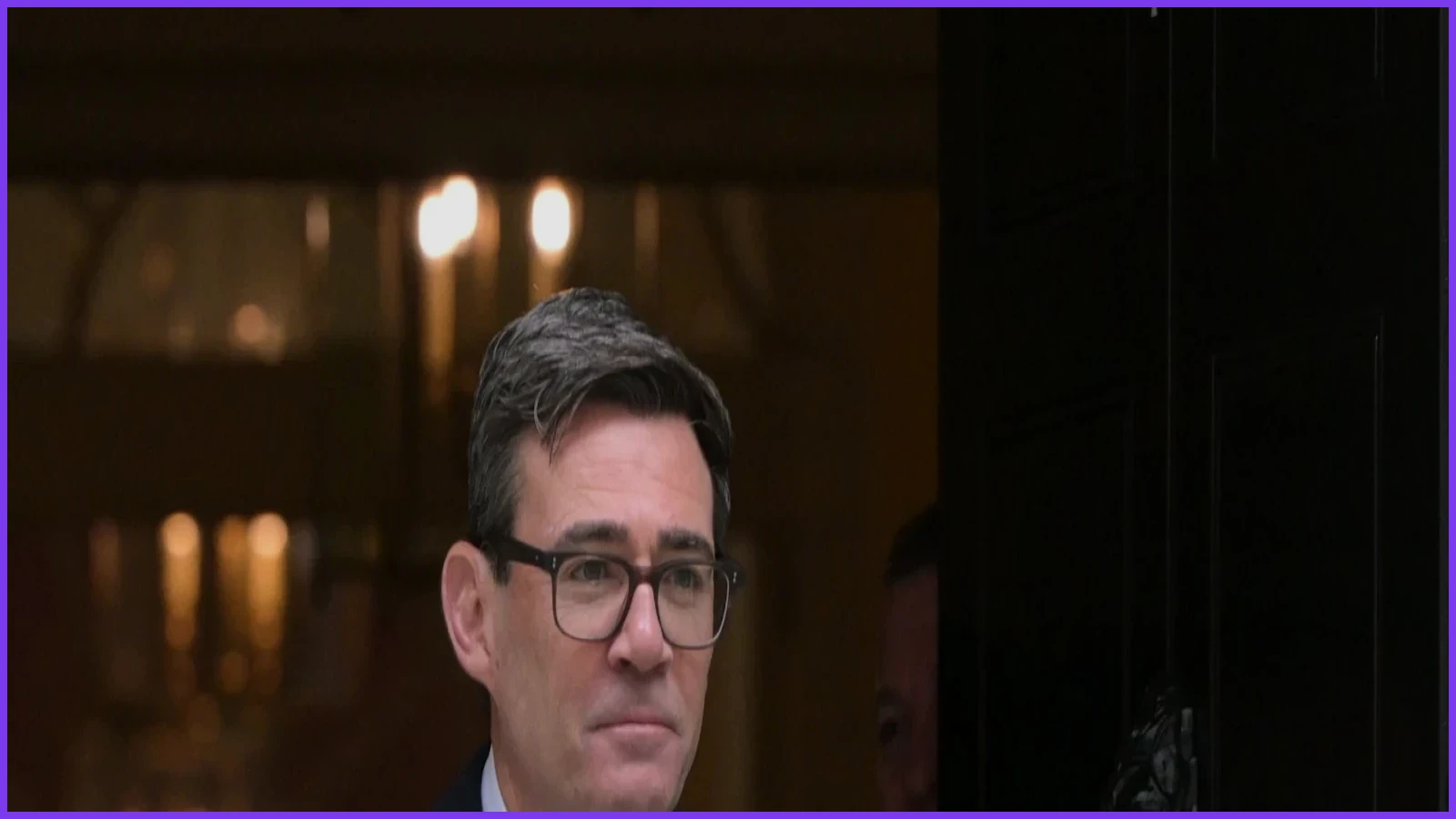
United Kingdom Prime Minister Andy Burnham has indicated that his government will evaluate issuing an official apology for Britain's historical role in the trans-Atlantic slave trade. The potential shift in policy comes as the British government seeks to strengthen diplomatic and economic relations with partner nations across Africa and the Caribbean.
Writing in an article published in the Guardian on Saturday, Burnham stressed that Britain must directly acknowledge its "complicated history" to preserve the future of the Commonwealth, an association of 56 independent nations that evolved from the British Empire. Burnham is scheduled to travel to Antigua and Barbuda next week to join fellow leaders for the Commonwealth Heads of Government meeting.
"For years, those members of the Commonwealth affected by the slave trade have asked for an honest conversation about the legacies of slavery," Burnham wrote. "By sticking our heads in the sand, we have damaged the ability of the Commonwealth to function."
Addressing the issue of legal and financial responsibility, the prime minister drew a distinction between historical acknowledgment and present liability. "I do not think that British people today can be held liable for historical wrongs, however heinous, that happened in a different age under different laws and in which they played no personal part," Burnham said.
Instead of focusing solely on historical grievances, Burnham outlined plans to address contemporary economic pressures facing developing Commonwealth members, particularly severe national debt. He announced intentions to collaborate with wealthy countries and financial investors to help vulnerable states repay debts over longer durations at reduced interest rates. To support the debt-relief initiative, former Prime Minister Gordon Brown, a long-time advocate for international financial relief, will also attend the Commonwealth summit.
Burnham's statements follow recent demands directed at King Charles III for a formal apology and reparations during the initial leg of his nine-day Caribbean visit. The royal tour is scheduled to conclude with the Commonwealth gathering running Sunday through Wednesday in St. John's, the capital of Antigua and Barbuda.
Speaking on Tuesday in Nassau, the capital of the Bahamas, King Charles acknowledged "the great suffering and injustices of the past" but did not offer an explicit apology. Under Britain's constitutional monarchy, the sovereign speaks on behalf of the elected government, which had previously maintained a strict policy against apologizing for the slave trade.
The potential position change reflects efforts by London to solidify relationships with traditional international allies amid global economic, environmental, and security challenges. Re-evaluating the historical stance could also appeal to younger, more liberal voters domestically who have pushed for a critical examination of Britain's imperial history.
Public debate regarding Britain's colonial past has grown significantly in recent years. In 2020, anti-racism demonstrators in Bristol pulled down a public statue of Edward Colston, an English merchant, politician, and former deputy governor of the Royal African Company, which transported thousands of enslaved people to English colonies in the Americas. Protesters argued that the city should no longer honor a figure involved in human trafficking.
In addition, several descendants of prominent British families who profited from historical slavery have issued private apologies and pledged compensation. These include the owner of the Guardian, the liberal news organization where leaders of Burnham's Labour Party frequently present policy proposals.
British politicians have traditionally focused on the nation's efforts to abolish the trade, highlighting Parliament's ban on the slave trade in 1807 and the total outlawing of slavery across the British Empire in 1833. However, Burnham stated that it is time for the nation to confront the full scope of its history.
"We are a country where brave people led the way in abolishing slavery, but we are also a country that participated in the trade in human lives," Burnham said. "The trans-Atlantic slave trade was a brutal and barbaric violation of those people. … I want to express my sorrow and regret for the pain and suffering of so many millions of people, and to recognize the way it still shapes our world today."
Related Articles

Mr. Udoy is a professional Web Developer and Blogger with 7+ years of experience in the tech world. He specializes in web architecture and digital storytelling. As the driving force behind worldincidents.com, he focuses on delivering high-quality, well-researched content to a global audience.