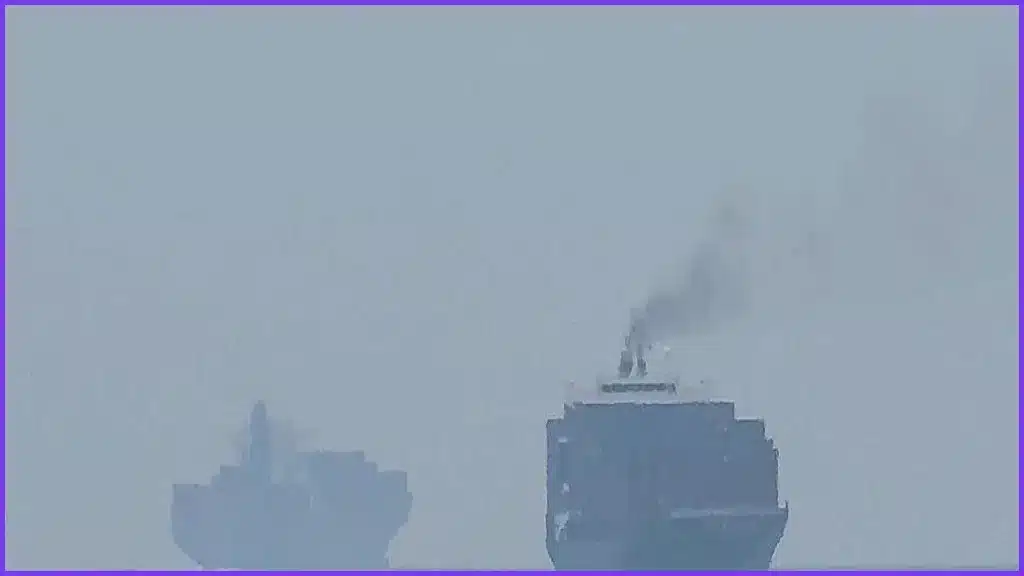
Diplomatic efforts to resolve the status of the Strait of Hormuz are currently in their final stages, according to Iranian Foreign Minister Abbas Araghchi. Despite the progress in these discussions, Araghchi noted that a full reopening of the critical maritime route remains subject to additional conditions, which he described only in general terms. The waterway, which typically facilitates the transit of approximately one-fifth of the world's oil and natural gas, has been under an effective blockade by Tehran since the United States and Israel began military operations against it on 28 February.
Mohammad Baqer Zolqadr, Iran's security chief, provided further clarity on Tehran's stance, telling the semi-official Tasnim news agency that the strait will not reopen until the United States corrects its behavior. Zolqadr outlined six specific demands that must be satisfied, including the cessation of all threats against Iran, the removal of the US naval blockade on Iranian ports, and the release of Iran's frozen financial assets. Meanwhile, a separate blockade has been maintained by Yemen's Iran-backed Houthis on Saudi Arabian ports in the Red Sea since 20 July.
American officials have characterized the ongoing situation as a complex, active engagement. One official stated, "We're really in the middle of the game here," adding that the situation is far from over. The US is reportedly utilizing a combination of diplomatic, economic, and military tools to achieve a favorable outcome. Officials also claimed that the volume of oil emerging from the Gulf will eventually return to pre-28 February levels, though they provided no specific details on how this would be achieved. Work is currently underway to establish a traffic scheme to ensure the safe passage of vessels.
Disagreements persist regarding potential transit fees. While Reuters previously reported, citing an Iranian official, that Tehran was seeking fees between 5% and 7% of cargo prices for vessels crossing the strait, American officials have downplayed these reports. A US representative stated, "The Iranians have told us they have no plans to toll the Strait of Hormuz."
The security environment remains volatile. On Saturday, the United Arab Emirates reported that a "hostile Iranian attack" involving a missile struck a tanker affiliated with its state-owned oil company, Adnoc. The UAE confirmed there were no casualties. Later that same day, the UK Maritime Trade Operations (UKMTO) agency reported that a ship was struck by an unknown projectile off the coast of Oman, causing a fire that was subsequently extinguished. No casualties were reported in the UKMTO incident, and it remains unclear if the two reports refer to the same vessel.
Vance added that "we're applying a whole host of tools – diplomatic, economic [and] military tools – to ensure that we get the best outcome for the American people".
Additionally, he claimed that the "same amount of oil" will emerge from the Gulf as did before the US military operation began on 28 February, although he offered no details.
Related Articles

Mr. Udoy is a professional Web Developer and Blogger with 7+ years of experience in the tech world. He specializes in web architecture and digital storytelling. As the driving force behind worldincidents.com, he focuses on delivering high-quality, well-researched content to a global audience.
1 thought on “Iran and Oman Discuss Strait of Hormuz Reopening Conditions”