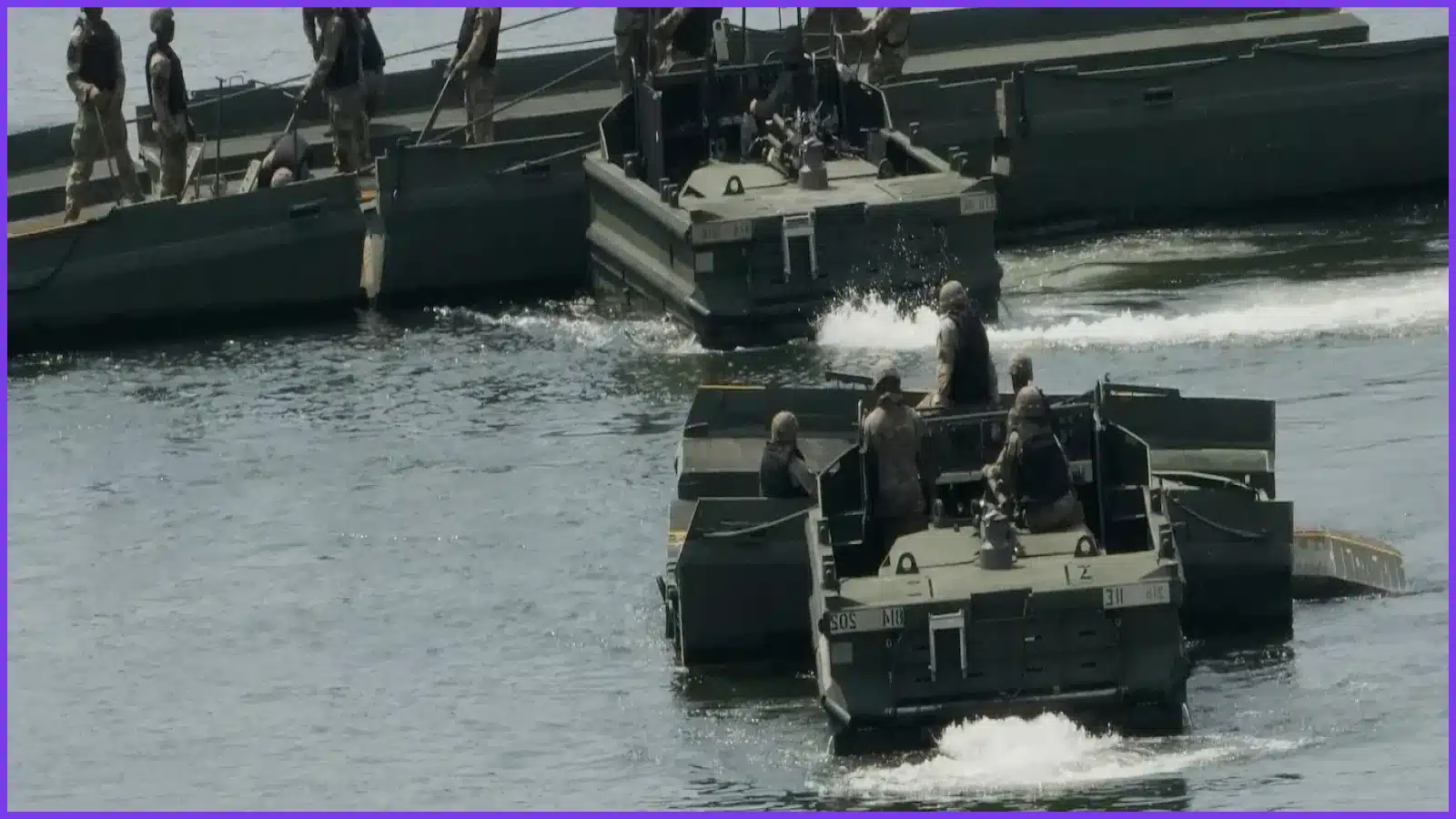
The long-standing military alliance between the United States and South Korea faces significant uncertainty after President Donald Trump ordered his Pentagon chief to “substantially” scale back the Ulchi Freedom Shield exercise just before its scheduled start on Monday. This annual 11-day drill is one of the two primary joint exercises conducted by the allies to ensure their forces can work together effectively during a crisis or conflict with North Korea. While the specific components being cut remain unclear, the move has prompted widespread concern among experts who argue it threatens to undermine combined readiness and potentially weaken the decades-long alliance that originated during the 1950-53 Korean War.
President Trump justified the directive by citing his positive relationship with North Korean leader Kim Jong Un and what he described as South Korea’s refusal to join the U.S. war against Iran. In a social media post, Trump labeled the exercises as costly, stating that the United States pays for much of the expense. During his first term, Trump frequently complained about the financial burden of these drills and notably suspended joint exercises in 2018 to facilitate nuclear negotiations with Pyongyang, which have since stalled.
Prior to the President's intervention, the South Korean military had announced that this year's exercise would be similar in scale to previous years, involving approximately 18,000 South Korean soldiers. The U.S. military had planned to incorporate tactical lessons from recent conflicts, including North Korea’s battlefield experiences on the Russia-Ukraine front. Additionally, local media reported that the two nations had planned 14 distinct field training exercises. Following the order, Gen. Xavier Brunson, commander of the approximately 28,500 U.S. troops stationed in South Korea, held talks with South Korean Defense Minister Ahn Gyu-back on Tuesday, though the Defense Ministry could not confirm if the discussion focused on the drill adjustments.
Analysts suggest that while the U.S. will likely continue with tabletop exercises, the most significant impact will be the cancellation of expensive field training that requires large-scale troop movements. Yang Uk, an analyst at Seoul’s Asan Institute for Policy Studies, noted that such a downsizing matters because military commanders change periodically; a one-year suspension could leave commanders unfamiliar with the necessary procedures when drills eventually resume. Jung Chang Wook, head of the Korea Defense Study Forum, warned that the move could lead to the downsizing of other regular drills, posing a “big, crippling blow” to the joint operation posture.
Furthermore, Lee Illwoo of the Korea Defense Network suggested that reducing the exercise will likely delay the planned transfer of wartime operational control to a binational command led by a South Korean general. Currently, the U.S. military would command joint forces in the event of war. South Korean President Lee Jae Myung has stressed the necessity of completing this transition during his term, which ends in 2030. While many South Koreans view this shift as a matter of national sovereignty, others worry it could weaken the alliance. Meanwhile, North Korea’s Foreign Ministry has denounced the exercises as a rehearsal for war, vowing to respond with “a new level of a deterrent,” while the U.S. and South Korea maintain that their regular drills are defensive in nature.
Related Articles

Meet Md. Rubel Rana
As a core contributor to Worlddincidents.com, Rubel Rana brings a unique perspective to the world of journalism. Whether it’s deep-diving into historical trivia or covering the latest global headlines, Rubel Rana is committed to delivering high-quality, high-impact articles. Their writing blends meticulous research with a compelling voice, helping readers stay informed and curious about the world around them.