Rescue and relief operations have intensified along the mountainous border between Nepal and China following catastrophic flash floods. As emergency aid begins to reach survivors, the full scale of the disaster is becoming clear, with the United Nations warning that at least 17,000 children are in desperate need of humanitarian assistance.
The International Red Cross estimates that the disaster has affected at least 93,000 people who are now in "great need" of support. In Nuwakot, a flood-hit district near Kathmandu, entire villages vanished within minutes. The landscape is now buried under thick sediment and mud, where the ruins of a golden temple and animal carcasses are visible among the debris. Homeless survivors have gathered at roadside tea shops seeking whatever shelter they can find.
At a local school converted into a temporary aid distribution hub, nongovernmental organizations are handing out solar panels, clothing, and basic hygiene products. Among those receiving help was Kanchi Nepali, who lost everything in the deluge. "What I’ve been given today is worth more than a million," she said. "I have no food, no shelter, no utensils to cook with. Only my body survived."
Nepal’s National Disaster Risk Reduction and Management Authority reported on Friday that the number of missing persons has doubled to nearly 2,000. To locate survivors in precarious, hard-to-reach locations, authorities have deployed 14,829 security personnel equipped with search drones.
Those rescued are being transported to Maithali Barrack, a military training facility in Nuwakot that has been repurposed as a relief camp and emergency shelter. Helicopters are constantly arriving and departing to deliver supplies and transport survivors. Outside the camp's barbed-wire perimeter, anxious community members gather, hoping to spot missing loved ones on incoming flights.
An army medical officer at the camp, speaking on the condition of anonymity, noted that those receiving medical treatment include local residents, foreign tourists, and Chinese workers. In critical situations, patients are airlifted to nearby hospitals, including a pregnant woman who went into labor at the camp.
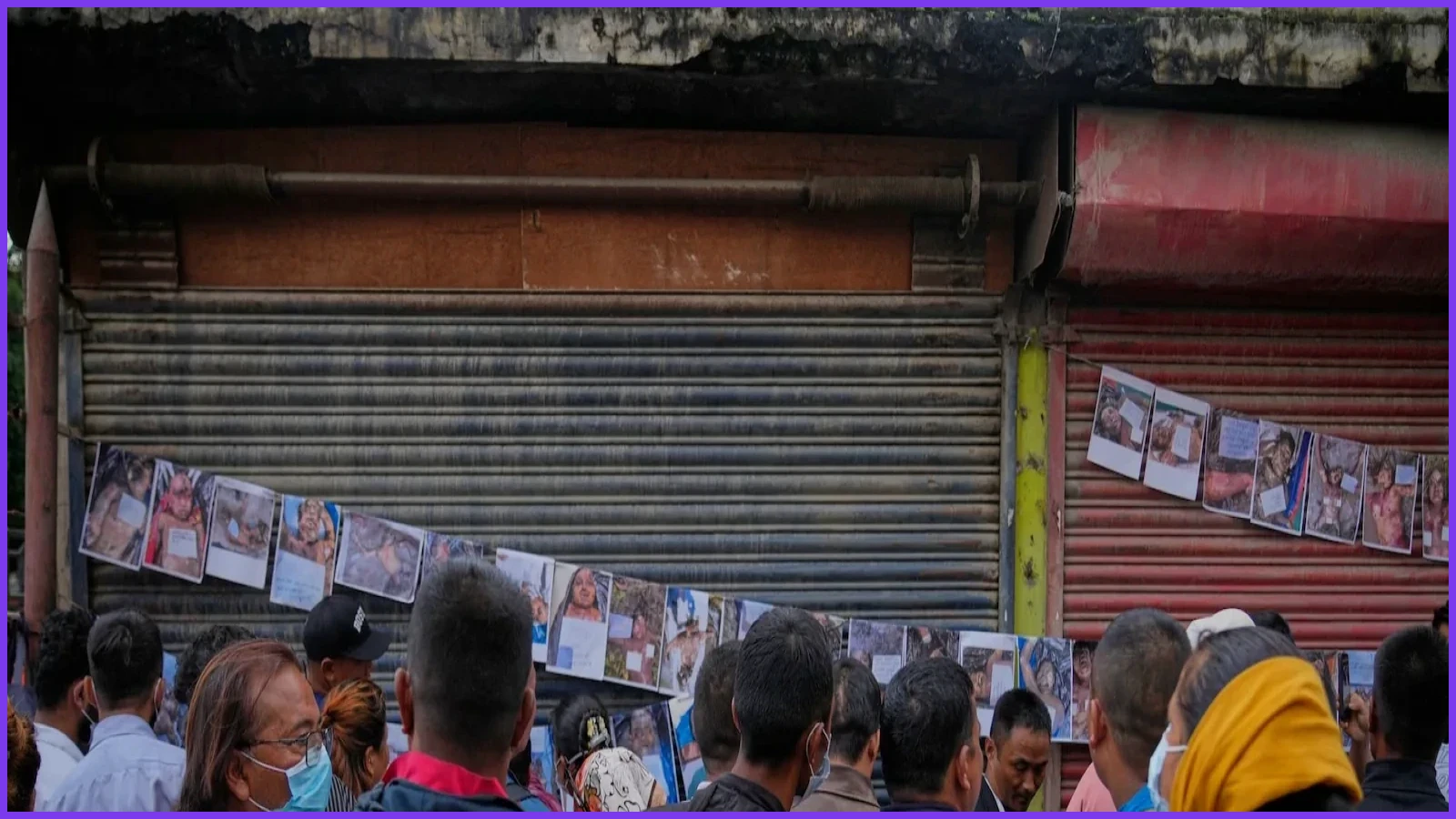
The camp is also handling children separated from their families as staff work to reunite them. According to UNICEF, the floods destroyed 18 schools and damaged another 20, compounding the crisis for the region's youth. However, the camp is also shrouded in grief; recovered bodies are kept behind orange and green tarpaulins until they can be identified by relatives.
Amid the tragedy, survivors recalled the suddenness of the disaster. Chanda Lal Chitrakar, a 62-year-old resident, admitted he initially ignored government flood warnings sent to his mobile phone, thinking of how he had safely watched water levels rise from his riverside tea shop during floods the previous year. This time, he had to flee to a high hill behind a local police station with only his cellphone and the clothes on his back. "When I reached the top, only then did I feel like I could breathe," Chitrakar said.
An army medic, who was not authorized to speak to the media, told The Associated Press that those who have received medical care have included local community members, foreign tourists and Chinese workers rescued from the flood zone. In cases that are considered to be too severe — such as when a pregnant woman at the center began experiencing labor pains — those individuals are airlifted to a nearby hospital.
Related Articles

Meet Md. Rubel Rana
As a core contributor to Worlddincidents.com, Rubel Rana brings a unique perspective to the world of journalism. Whether it’s deep-diving into historical trivia or covering the latest global headlines, Rubel Rana is committed to delivering high-quality, high-impact articles. Their writing blends meticulous research with a compelling voice, helping readers stay informed and curious about the world around them.
1 thought on “UN Warns 17,000 Nepal Children Need Urgent Aid After Floods”