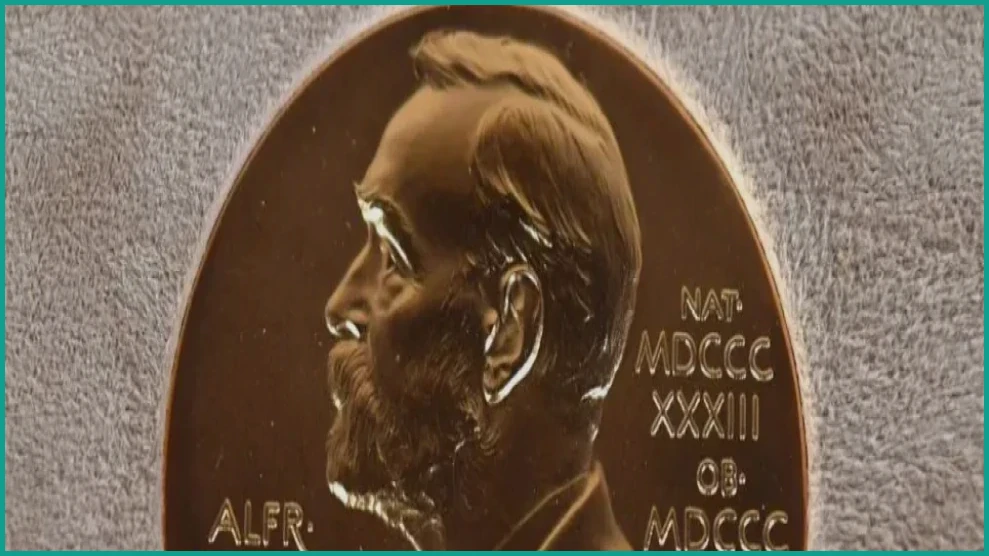
The 2026 Nobel Prize in Physiology or Medicine has been awarded to American psychiatrist and neurologist Karl Deisseroth and his German colleagues Peter Hegemann and Georg Nagel. The prestigious honor recognizes their pioneering development of optogenetics, a revolutionary technique that has transformed the scientific understanding of how the human brain works.
Optogenetics allows researchers to control the electrical activity of nerve cells using light. The method relies on a unique algal protein called channelrhodopsin, which Hegemann and Nagel discovered in the early 2000s. By introducing this protein into brain cells, scientists can illuminate and manipulate specific neural pathways, providing unprecedented insights into the inner workings of the mind.
The Nobel Committee lauded the three scientists for establishing the groundwork for a new era in neuroscience. Their breakthrough has enabled the mapping of neural circuits that drive behaviors, emotions, and memories, which are highly relevant to neurological and psychiatric disorders. Prior to this research, the underlying mechanisms of human feelings and bodily functions remained largely mysterious to the scientific community.
"Optogenetics has fundamentally altered our understanding of the brain," the Nobel Assembly stated, adding that the field yields new discoveries daily to help solve the mystery of how the brain works. Per Svenningsson, chair of the Nobel Committee for Physiology or Medicine, noted that the technology offers brain-mapping opportunities "that we could once only dream of."
Beyond mapping the mind, the practical applications of optogenetics are already expanding into clinical medicine. Researchers are currently utilizing the light-based technique in experimental efforts to restore vision in individuals with visual impairments.
"Every day brings new discoveries, helping to solve one of humanity's great mysteries: how our incredible brain works."
Related Articles

Mr. Udoy is a professional Web Developer and Blogger with 7+ years of experience in the tech world. He specializes in web architecture and digital storytelling. As the driving force behind worldincidents.com, he focuses on delivering high-quality, well-researched content to a global audience.