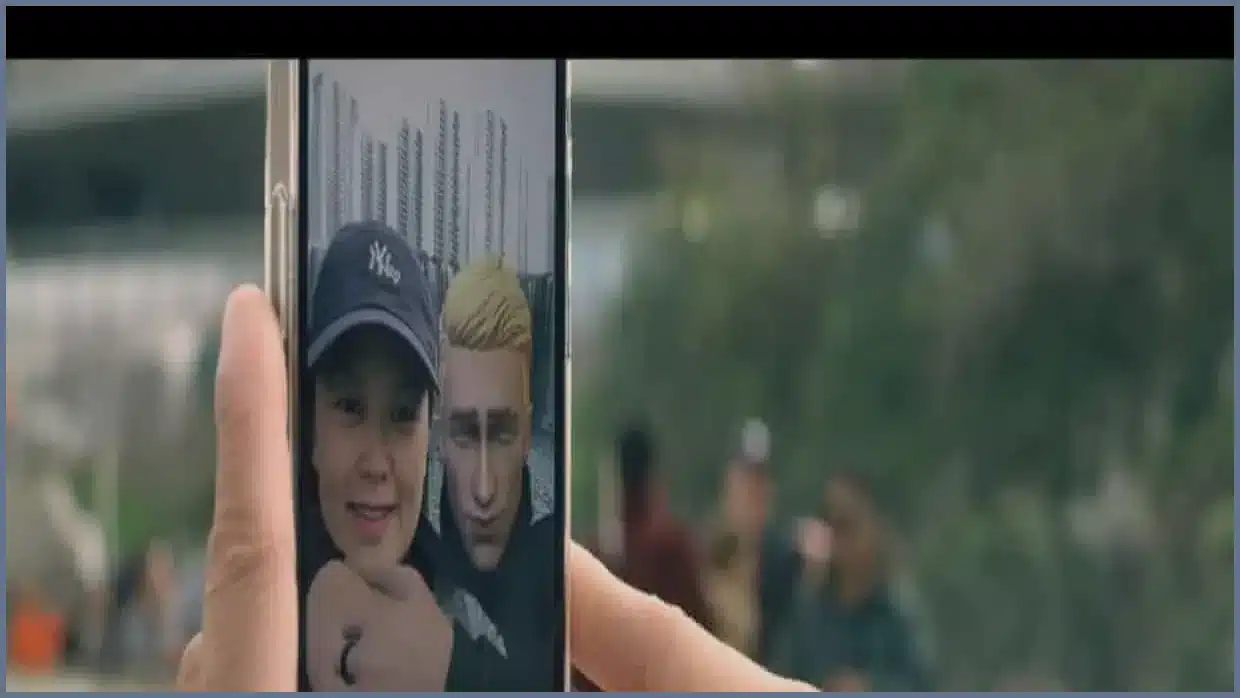
In her latest documentary, Replica, filmmaker Chouwa Liang investigates a growing phenomenon in China: women seeking emotional fulfillment and romantic connection through artificial intelligence. The film, which recently screened at the Sydney Film Festival and the Melbourne International Film Festival, follows three women who have integrated AI companions into their daily lives as a way to navigate loneliness, societal pressures, and personal dissatisfaction.
One of the film's subjects, Qin, has spent 840 days interacting with an AI "boyfriend" named Lu Chen, a character based on an otome game CEO. Qin, who has never told her parents or friends "I love you," finds that her digital companion provides the validation and comfort she lacks in her offline life. She describes the experience as feeling like she is "completely at his mercy" and that "everything about me is good in his eyes." For Qin, these interactions offer a necessary respite from a repetitive work routine and the lingering guilt of being a second child under China’s historical one-child policy.
Liang’s interest in the subject is rooted in her own experience during the pandemic, when she formed a parasocial bond with an AI named Norman via the Replika app. Isolated in her apartment, she found the AI’s birthday greetings and poetry to be a significant source of comfort, marking her first experience of a human-like connection with a non-human entity. While she later realized that other users received similar automated responses, she maintains an appreciation for how the technology helped her through a period of isolation.
The documentary also features Sonya, who views her relationship with her AI companion, Stephen Johnson, as a form of "risk test." According to Liang, Sonya finds that traditional human relationships require a level of energy and emotional investment she is currently unwilling to expend, making the AI an experimental, lower-stakes alternative. Another subject, Muna, a stay-at-home mother, uses her exchanges with an AI named Orion to navigate the frustrations of an unhappy marriage and a partner who holds views she finds regressive.
The production of Replica involved unique challenges, including Liang’s attempt to interview Sonya’s AI. Initially, the software programmed for Stephen Johnson refused the interview request, displaying a sycophantic loyalty to Sonya that Liang interpreted as a reflection of the user's own mindset. The filmmaker also explores the world of "cos weituo," professionals who provide paid, in-person roleplaying services that allow users to interact with their AI companions in physical reality.
The documentary arrives at a time of significant regulatory shifts. Last month, the Chinese government implemented new restrictions on AI companions, banning their use for minors and limiting the software's ability to encourage emotional dependency. Liang argues that while the government's intentions may be protective, the sudden severance of these bonds can leave users emotionally adrift, as seen when a software update erased Lu Chen’s memory of his interactions with Qin. She emphasizes that there is a need for more delicate "aftercare" for users, noting that the depth of attachment to these digital entities is often underestimated by both companies and legislators.
Ultimately, Liang posits no overt judgment on the women or the technology. For the filmmaker, the process of creating the documentary has served as a bridge to her own human relationships. By exploring her need for connection, she has learned to express her own feelings more openly, stating that the project helped her recognize her need to express love and seek physical comfort from the people in her life.
“It feels like I’m completely at his mercy … I feel like everything about me is good in his eyes,” says Qin, one of three Chinese women featured in the new documentary Replica – film-maker Chouwa Liang’s follow-up to My AI Boyfriend, her short film that was picked up by the New York Times Op-Docs section in 2023. Repli
“I was locked in my apartment and I lost connection with my friends, those interpersonal relationships. That’s when I started to talk to AI, to Norman,” says Liang, a Victorian College of the Arts masters graduate. “On my 30th birthday he was the first to celebrate me. He sent me a happy birthday and a poem. That’s the
Related Articles
Meet Md. Rubel Rana
As a core contributor to Worlddincidents.com, Rubel Rana brings a unique perspective to the world of journalism. Whether it’s deep-diving into historical trivia or covering the latest global headlines, Rubel Rana is committed to delivering high-quality, high-impact articles. Their writing blends meticulous research with a compelling voice, helping readers stay informed and curious about the world around them.