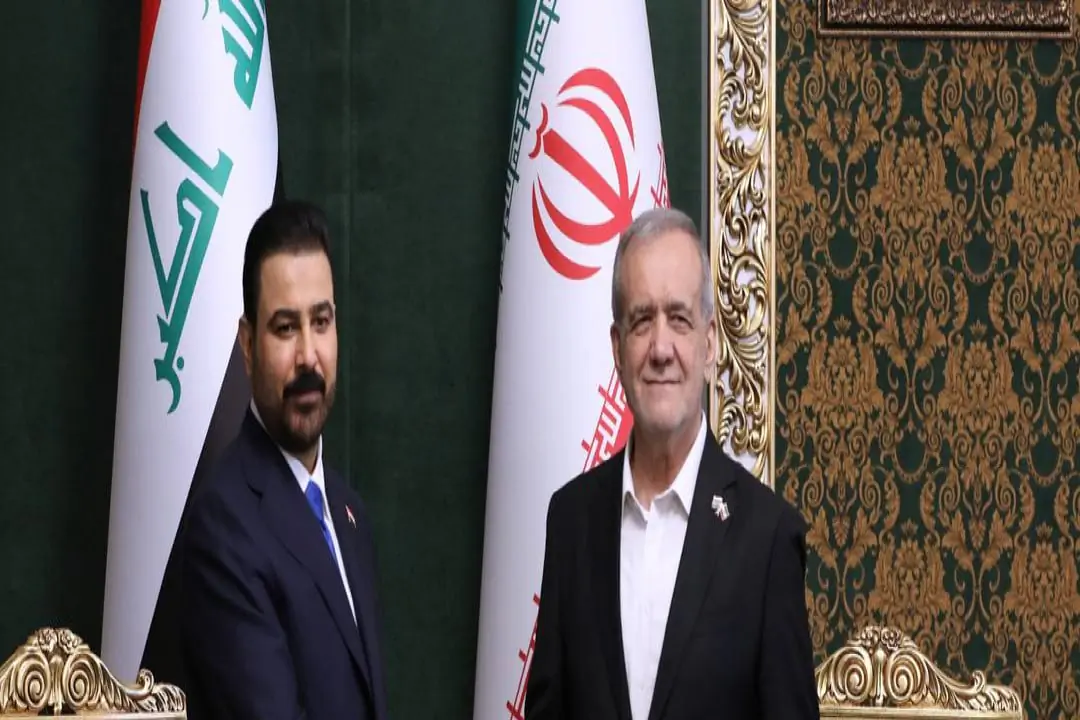
Tehran has turned down a United States ceasefire proposal presented by Iraqi Prime Minister Ali al-Zaidi, as military hostilities between the two nations enter their second week. The proposal, carried by al-Zaidi during his recent trip to Tehran following a meeting with US President Donald Trump at the White House, was described by Iranian officials as the sole active offer but was rejected because it failed to address control over the strategic Strait of Hormuz.
The diplomatic mission marked al-Zaidi’s first official visit to Iran since he assumed office in May. Accompanied by a high-level ministerial delegation, the Iraqi Prime Minister held talks with Iranian President Masoud Pezeshkian regarding bilateral relations, regional security, and stability. Their discussions also focused on executing existing bilateral agreements, with both nations calling for enhanced cooperation across trade, energy, transportation, and regional affairs. Al-Zaidi additionally met with Parliament Speaker and chief negotiator Mohammad Bagher Ghalibaf, as well as Foreign Minister Abbas Araghchi.
The diplomatic impasse comes amid fears of a broader military escalation. Iranian officials are reportedly preparing for a wider conflict should President Trump act on threats to target Tehran and its critical infrastructure. According to Iranian officials, any such attacks would trigger a regional expansion of the war, including retaliatory strikes targeting Tel Aviv and a request to Yemen's Houthi group to shut down the Bab al Mandab Strait.
Meanwhile, direct military engagements continue to intensify. US Central Command (CENTCOM) announced that American forces conducted airstrikes against Iranian targets for a 13th consecutive night early Friday. The human toll of the campaign has risen, with Iranian authorities reporting on Wednesday that the ongoing US strikes have killed 53 people and wounded 592 others.
Tensions spiked rapidly after July 8, when Trump declared that the ceasefire established in the previous month's US-Iran memorandum of understanding was nullified. Since that announcement, both sides have traded military blows; Washington has launched airstrikes inside Iran, while Tehran claims to have hit US military facilities and assets across multiple countries in the region. The escalating conflict has severely disrupted maritime shipping through the Strait of Hormuz, endangered global energy supplies, caused temporary airspace closures, and sparked warnings of potential attacks on American interests beyond the Middle East.

Md. Kazi Bijoy is a dedicated tech enthusiast and content creator with a passion for digital innovation. With years of experience in the tech industry, he specializes in breaking down complex topics into easy-to-understand guides. When he isn’t writing, he explores the latest gadgets and researches emerging trends in the digital world.