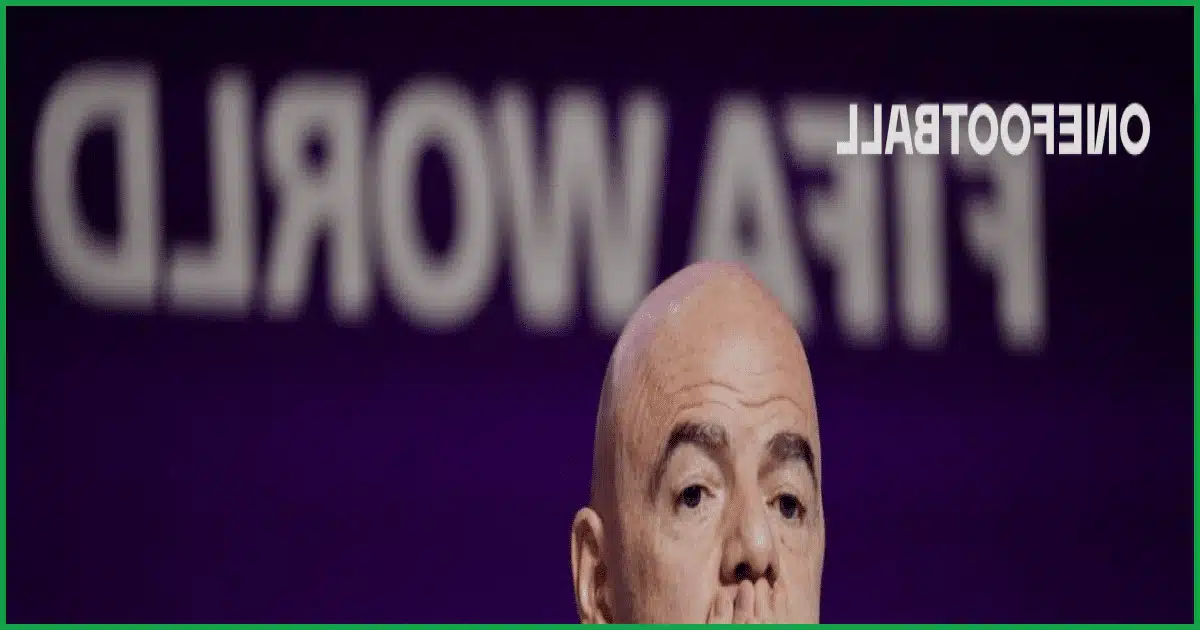
The sudden political collapse of FIFA President Gianni Infantino has triggered intense demands for structural reform within global football's governing body, with key figures declaring that simply replacing the leader is not enough. Infantino’s authority eroded rapidly over a tumultuous week, culminating in a humiliating climbdown from his controversial World Cup privatization and sell-off plan. The proposal, which was initially outlined last year at the exclusive Allen & Co Conference billionaires' retreat, faced overwhelming opposition, leaving Infantino’s future as president highly uncertain.
By Friday, Infantino’s support base had largely vanished, extending even to his political allies. When asked if he had been consulted about the privatization plan, United States President Donald Trump dismissed the claim and his previously praised associate with a single word: "No." Concurrently, UEFA officially declared it had "lost confidence" in Infantino's leadership. One prominent football official remarked that Infantino's "leadership has been exposed as poor, his character questionable, his interests self-interested and he is absolutely the wrong person to lead Fifa."
The swift unraveling of Infantino's position represents a dramatic shift from earlier in the week. On Monday, he appeared securely positioned for another presidential term, even berating media outlets for their criticisms. By Friday, his standing had collapsed under unprecedented global backlash. Observers compared the rapid political demise to the fall of Margaret Thatcher, noting that while such collapses can take time to build, they happen with extreme speed once initiated.
The crisis has galvanized football executives, who are now calling for "step three": deep, systemic accountability rather than just the removal of one individual. FIFA executive Kevin Lamour delivered what many viewed as a decisive blow to Infantino on Friday, stating, "Regarding this project and what comes next, everyone must take responsibility." Lamour also highlighted a culture of "contempt and intimidation" that had previously kept opposition quiet.
Critics point to a long and varied list of governance failures and controversial decisions during Infantino's tenure. These include his "governance by Instagram," his bizarre press conference in Qatar, attempting to force handshakes between Israeli and Palestinian delegates, and telling critics to "chill." More concrete controversies include his initial involvement in the European Super League, past private equity proposals, a fixation on cryptocurrency, the opaque process establishing the expanded Club World Cup, and the inclusion of Inter Miami in that tournament. Additionally, Infantino faced criticism for reducing Cristiano Ronaldo's World Cup suspension, introducing mandatory hydration breaks, handling the Folarin Balogun affair, ingratiating himself with autocratic political figures, and orchestrating the process that awarded the 2034 World Cup to Saudi Arabia.
Despite his potential departure, the football world remains bound to the consequences of these decisions, including hosting the tournament in Saudi Arabia in eight years, which will revive the human rights and migrant labor debates surrounding the 2022 World Cup in Qatar. Observers note that Infantino was enabled by the very football politicians now criticizing him. For years, few national associations challenged his actions, and the FIFA Council exercised virtually no oversight, leaving them entirely in the dark.
This systemic failure is built into the structures of both FIFA and UEFA, which grant their presidents immense, unchecked power, resulting in "governance by fiat." This power is sustained by a revenue redistribution system that functions as a vote-buying mechanism. Associations feared opposing the president because of harsh consequences, such as losing the right to host major tournaments. One member association head expressed relief that this "ridiculous patronage system is exposed for what it is," adding that "the money rightfully belongs to the members anyway, not for buying votes."
There are growing calls to dismantle this patronage system and establish a proper separation of powers. Activists argue that the current Swiss association structure, which was originally "designed for a local bowls club," is entirely inadequate for running a multibillion-dollar international business. They advocate for restructuring FIFA into a limited company in a transparent jurisdiction governed by a proper board.
Lise Klaveness, the president of the Norwegian Football Association, emphasized that the crisis must lead to real change. "This cannot end as merely another power struggle conducted behind closed doors," Klaveness said. "All our efforts must be directed towards improving governance." This sentiment aligned with Lamour's assertion that "the time has now come for football political leaders to ask themselves the right questions and make the right decisions."
Currently, efforts are underway to convince member nations to withdraw their previous letters of endorsement for Infantino ahead of the November nomination deadline for the March presidential election. Critics argue he has violated two of FIFA's own statutes regarding the presidency: failing to "foster a positive image of Fifa" and failing "to maintain and develop good relations" with key stakeholders. A slip in Infantino's Saturday morning statement, where he shifted from using "we" to "my intent," further highlighted his isolated position. However, there are fears that football will simply return to "business as usual," with UEFA President Aleksander Ceferin seizing the opportunity to defeat a rival without reforming his own organization's power structures.
And that’s why reform, in the way that didn’t happen when Infantino succeeded Sepp Blatter in 2016, should now be the priority – as should proper separation of powers so the president is nowhere near as strong.
Related Articles

Md. Kazi Bijoy is a dedicated tech enthusiast and content creator with a passion for digital innovation. With years of experience in the tech industry, he specializes in breaking down complex topics into easy-to-understand guides. When he isn’t writing, he explores the latest gadgets and researches emerging trends in the digital world.