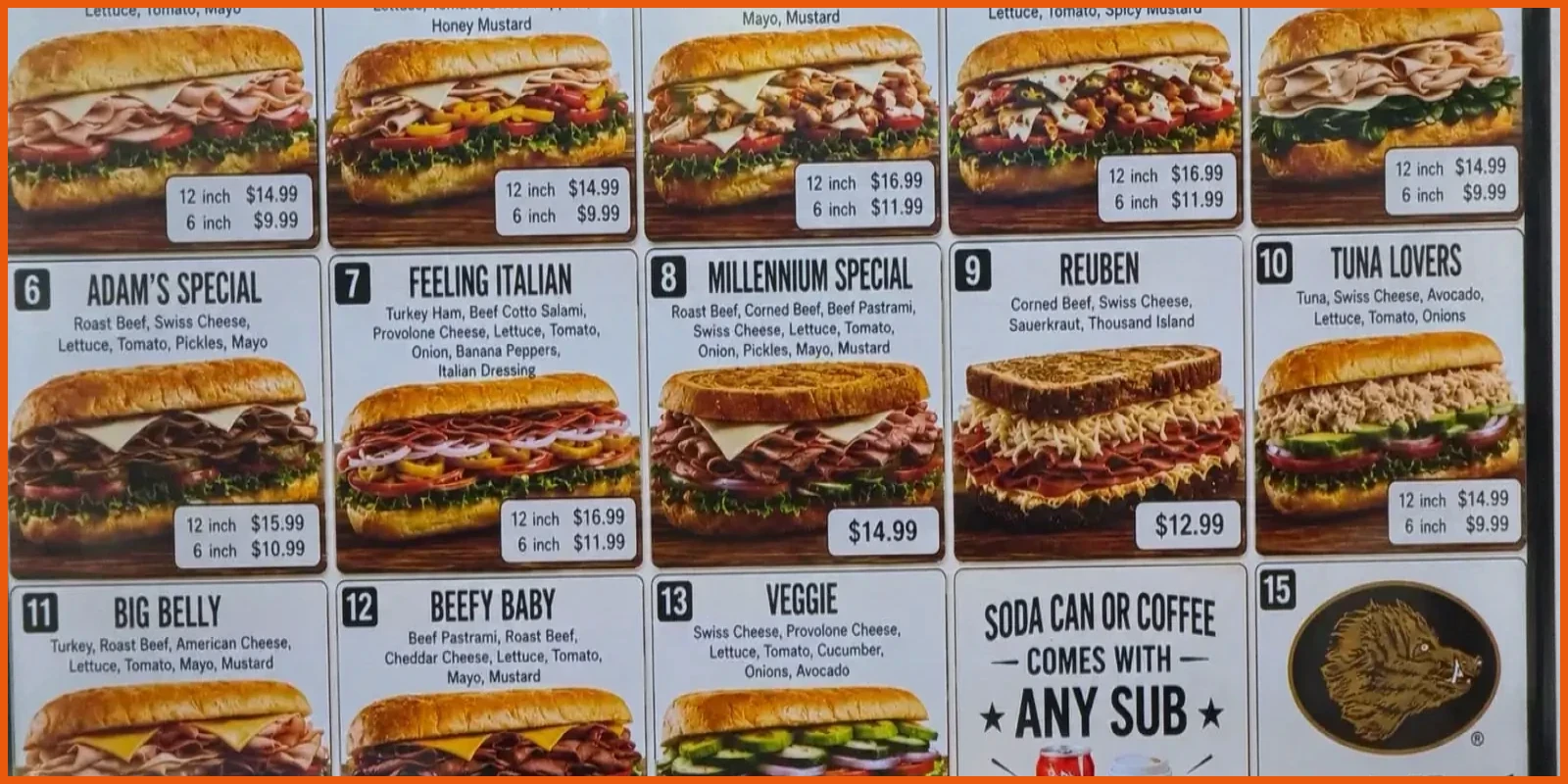
When Chris Murphy visited his local deli in Chicago in late August, he discovered that the menu items had been replaced by uncanny, AI-generated images. The sandwiches displayed on the screen above the counter featured strange, repeated textures that appeared hyperrealistic yet simultaneously, and aggressively, fake. Murphy, who noted that he would have placed an order had the original menu—which featured standard food photography and descriptive text—remained, found the images so "viscerally disgusting" that his appetite was suppressed. When he showed the images to his coworkers, they recoiled, with some reportedly feeling as though they were going to vomit.
This experience is part of a broader trend where AI-generated designs are increasingly replacing traditional advertisements. These flyers and menus, now being coined "AI food slop," are appearing more frequently in public spaces, often to the dismay of passersby. While the images are frequently met with horror, they have also captivated the internet. One post on X, which garnered nearly 2 million views, featured a sign outside a restaurant that the user labeled as one of the worst "AI shop horror" menus they had ever seen. The replies were filled with similar sentiments of disgust, with one user noting, "I feel like I have bugs crawling in my throat when I look at this."
Psychologist Stephanie Sarkis explains that there is a scientific reason why these images are so difficult to look away from. When visuals appear almost real but are clearly artificial, the human brain enters a state of conflict between "approach and avoidance" as it attempts to process the information. "People can have an urge to look away or anxiety, but at the same time, your brain may also be trying to look at it more," Sarkis explained. For some, this reaction is exacerbated by trypophobia, a condition characterized by an extreme fear of repeated patterns, holes, or textures. Sarkis notes that these visceral reactions are evolutionary mechanisms intended to help humans avoid potential dangers such as decay, disease, or parasites. Because the AI-generated images make familiar food look "biologically bizarre," they trigger a deep-seated "ick" factor in many people.
For those feeling distressed by these images, Sarkis suggests grounding exercises, such as focusing on three things one can hear, see, and touch. If the anxiety begins to interfere with daily life, she recommends consulting a mental health professional. The backlash against these images aligns with broader public sentiment regarding the influence of Big Tech. A July 2026 YouGov poll indicated that 7 in 10 adults believe technology companies possess too much power, while an August 2026 Pew Research Center survey found that 55% of adults under 30 are more concerned than excited about AI.
Professional food photographer Hawkes emphasizes that there is an inherent, "innate" quality to real food that AI struggles to capture. "There's something wrong, and you might not be able to put your finger on it, but you know it when you see it," she explained. Hawkes argues that consumers want truthful images that reflect what they will actually be served, noting that even before the rise of AI, consumers were critical of generic food photography. She suggests that if professional photography is too costly, small businesses should consider alternatives such as working with student photographers or utilizing simple, DIY approaches with a smartphone. "A thoughtful photo of your food with your iPhone is going to be better than whatever AI is going to generate because it's your food," she said. "It's not whatever the AI thinks a sandwich looks like."
Related Articles

Md. Kazi Bijoy is a dedicated tech enthusiast and content creator with a passion for digital innovation. With years of experience in the tech industry, he specializes in breaking down complex topics into easy-to-understand guides. When he isn’t writing, he explores the latest gadgets and researches emerging trends in the digital world.