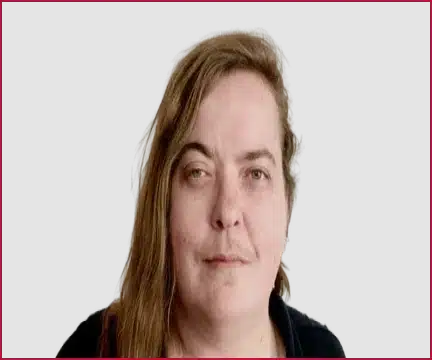
The recent viral reaction to actor John Goodman’s significant weight loss highlights a persistent and toxic cultural obsession with the bodies of fat people. While the 74-year-old actor's physical transformation is his own personal matter, the discourse surrounding it has once again illuminated the impossible standards imposed on those who are overweight. Observers have split into factions, some praising his supposed hard work, others dismissing his success as the result of weight loss drugs like Ozempic, and a third group defending his methods as the 'right way' because he has been shedding weight for years. Using weight loss drugs like Ozempic is not ‘cheating’ – and why does it matter how a person changes their body anyway?
As a self-described member of the 'Fat Lesbian Club,' I have long admired John Goodman, from his roles as Dan Conner on Roseanne to his work in The Big Lebowski. However, this latest cycle of commentary feels all too familiar. Society routinely subjects fat people to a relentless cycle of criticism. If you remain fat, you are labeled as lazy or unhealthy, and any claim of happiness is dismissed as denial. If you attempt to lose weight through exercise, you are ridiculed; if you use medication, you are accused of 'cheating.' This framing suggests that a person’s value is entirely tied to their ability to control their weight, yet even when that control is achieved, the goalposts are moved to ensure the individual is seen as having failed to 'suffer' sufficiently for their results.
The concept of 'cheating' in this context is inherently nonsensical, as it implies a competition where none exists. We do not demand that people quitting smoking undergo the process without medical aids, nor do we view the use of tools to make life easier as a moral failure in other areas. Yet, when it comes to weight, society assumes the role of a moral arbiter. The underlying message is that people resent fat individuals for being overweight, and they resent them even more if they manage to become thin without enduring the exact level of hardship deemed acceptable by the public.
Ultimately, this vitriol is less about health and more about the desire to punish fat people. It remains socially acceptable to express hatred toward fat bodies, and many feel safe doing so under the guise of concern for health. I do not believe that everyone should take Ozempic, nor do I think being fat is inherently good or bad; I simply believe that fat people should be treated as human beings. We should be permitted to exist, exercise, dress, and live our lives without our bodies being treated as public property that requires constant justification or an audition for societal approval. This is not even about weight loss drugs – I don’t think everyone should take Ozempic, and I certainly worry about all the relatively thin people who seem to be taking it purely to get even thinner. I also don’t think being fat is inherently bad or good. I just think we should be treated like human beings. Is that really so much to ask? Apparently it is.
Related Articles

Mr. Udoy is a professional Web Developer and Blogger with 7+ years of experience in the tech world. He specializes in web architecture and digital storytelling. As the driving force behind worldincidents.com, he focuses on delivering high-quality, well-researched content to a global audience.
1 thought on “Why Society Resents Fat People Regardless of Their Choices”